1. Specifications Comparison
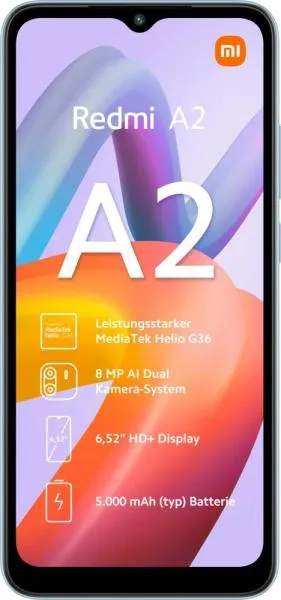
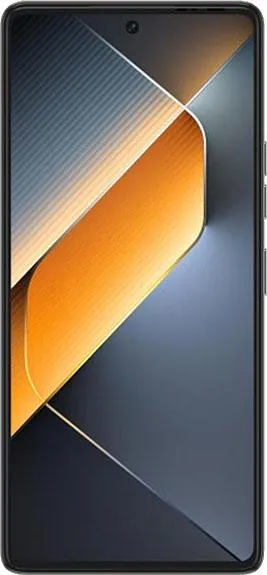
| Feature | Xiaomi Redmi A2+ | Tecno Pova 6 Pro | Practical Impact |
|---|---|---|---|
| Design | |||
| Dimensions (mm) | 164.9 x 76.8 x 9.1 | 165.5 x 76.1 x 7.9 | Pova 6 Pro slightly larger screen, marginally thinner. Negligible difference in everyday use. |
| Weight (g) | 192 | 198 | Negligible weight difference. |
| Display | |||
| Display Type | IPS LCD | AMOLED | Pova 6 Pro offers richer colors, deeper blacks, and better power efficiency due to AMOLED technology. |
| Size (inches) | 6.52 | 6.78 | Pova 6 Pro offers a larger screen for more immersive media consumption and multitasking. |
| Resolution | 720 x 1600 | 1080 x 2436 | Significantly sharper and more detailed visuals on the Pova 6 Pro. Noticeably better for media consumption, gaming, and overall clarity. |
| Refresh Rate | N/A | 120Hz | Pova 6 Pro's high refresh rate delivers smoother scrolling, animations, and a more responsive gaming experience. Redmi A2+ refresh rate is not specified, likely 60Hz. |
| Peak Brightness (nits) | 400 (typ) | 1300 (peak) | Pova 6 Pro significantly brighter, ensuring better visibility outdoors and in bright environments. Redmi A2+ only provides typical brightness, not peak. |
| Performance | |||
| Chipset | Helio G36 (12nm) | Dimensity 6080 (6nm) | Pova 6 Pro's 6nm chipset offers significantly better performance and power efficiency compared to the Redmi A2+'s 12nm Helio G36. |
| CPU | Octa-core | Octa-core | Pova 6 Pro utilizes more powerful Cortex-A76 cores resulting in faster processing speeds for demanding tasks. |
| RAM | 2/3GB | 12GB | Massively more RAM in Pova 6 Pro enabling superior multitasking, smoother performance, and the ability to keep more apps open in the background without reloading. Redmi A2+ may struggle with multitasking. |
| Camera | |||
| Main Camera | 8MP | 108MP | Pova 6 Pro offers significantly higher resolution, potentially capturing more detail. Image quality is impacted by more than just resolution, sensor size and processing play a crucial role. |
| Selfie Camera | 5MP | 32MP | Pova 6 Pro has a much higher resolution selfie camera, likely resulting in better quality selfies. |
| Video Recording | 1080p@30fps | 1440p@30fps/1080p@60fps | Pova 6 Pro offers higher resolution and frame rate options for video recording, resulting in smoother and potentially more detailed videos. |
| Battery | |||
| Capacity (mAh) | 5000 | 6000 | Larger battery in Pova 6 Pro should provide longer battery life. |
| Fast Charging | 10W | 70W | Significantly faster charging on the Pova 6 Pro. |
2. Key Differences Analysis
Xiaomi Redmi A2+ Advantages:
- Lower Price: Significantly more affordable.
Tecno Pova 6 Pro Advantages:
- Superior Performance: Significantly faster processor, more RAM, smoother overall experience.
- Better Display: AMOLED technology, higher resolution, faster refresh rate, brighter screen.
- Enhanced Camera: Higher resolution main and selfie cameras, better video recording capabilities.
- Larger Battery and Faster Charging: Longer battery life and significantly faster charging speed.
- NFC: Enables contactless payments and other NFC functionalities.
Trade-offs:
- Price: The Pova 6 Pro is considerably more expensive.
3. User Profiles & Recommendations
Xiaomi Redmi A2+: Budget-conscious users who prioritize basic functionality (calls, texts, browsing) and simple apps. Not recommended for gaming or demanding tasks.
Tecno Pova 6 Pro: Users who demand a smooth, powerful performance for gaming, multitasking, media consumption, and photography. A good option for those seeking a feature-rich experience.
4. Decision Framework
Key Questions for Buyers:
- What is your budget? The Redmi A2+ is a budget option, while the Pova 6 Pro is a mid-range device.
- What are your primary smartphone usage patterns? Basic use vs. demanding tasks like gaming or photography.
- How important are features like display quality, camera performance, and battery life?
My Choice: Tecno Pova 6 Pro
While the Redmi A2+ is significantly cheaper, the Tecno Pova 6 Pro offers a vastly superior user experience due to its significantly better performance, display, camera, and battery. The price difference is substantial, but the improvements justify the cost for most users beyond those seeking the absolute cheapest option for basic communication. The AMOLED display, 120Hz refresh rate, powerful processor, ample RAM, and fast charging greatly enhance daily usage. The Redmi A2+'s limited RAM and less powerful processor would likely lead to frustrations in anything beyond very basic tasks. While I acknowledge budget constraints, the Pova 6 Pro's superior feature set offers much better long-term value and a more enjoyable user experience.
