1. Specifications Comparison
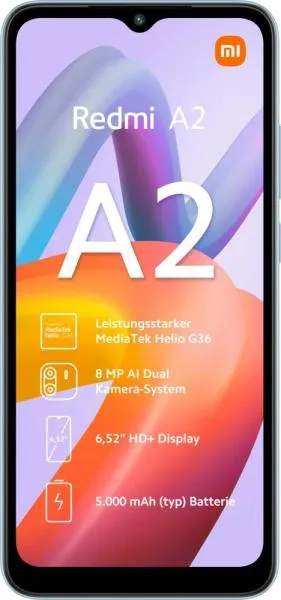
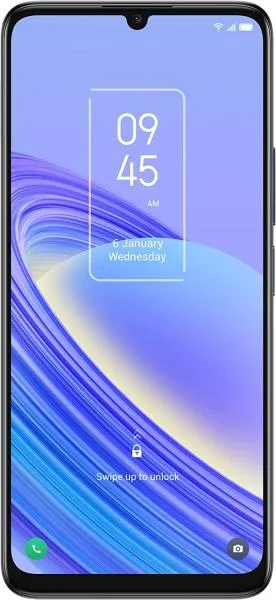
| Feature | Xiaomi Redmi A2+ | TCL 40 SE | Practical Impact |
|---|---|---|---|
| Design | |||
| Dimensions (mm) | 164.9 x 76.8 x 9.1 | 167.9 x 76.5 x 8.5 | TCL 40 SE is slightly larger but thinner. Negligible difference in daily use. |
| Weight (g) | 192 | 190 | Virtually identical weight. |
| USB Type | microUSB 2.0 | USB Type-C 2.0 | TCL 40 SE uses the more modern and reversible USB-C port. |
| NFC | No | Yes | TCL 40 SE allows for contactless payments and data transfer. |
| Display | |||
| Size (inches) | 6.52 | 6.75 | TCL 40 SE offers a larger screen for more immersive media consumption. |
| Resolution (px) | 720 x 1600 | 720 x 1600 | Identical resolution, but TCL's larger screen results in slightly lower pixel density (260 ppi vs 269 ppi). Difference is negligible. |
| Refresh Rate (Hz) | Not specified | 90 | TCL 40 SE's 90Hz refresh rate provides smoother scrolling and animations. |
| Display Type | IPS LCD | IPS LCD | Both use IPS LCD technology. TCL 40 SE boasts higher typical brightness (450 nits vs 400 nits) for better outdoor visibility. |
| Performance | |||
| Chipset | Mediatek Helio G36 (12 nm) | Mediatek Helio G37 (12 nm) | Very similar processors, G37 has slightly higher clock speed. Performance difference will likely be minimal in everyday tasks. |
| CPU | Octa-core (4x2.2 GHz Cortex-A53 & 4x1.7 GHz Cortex-A53) | Octa-core (4x2.3 GHz Cortex-A53 & 4x1.8 GHz Cortex-A53) | TCL 40 SE has a slightly faster CPU, but real-world difference will be marginal. |
| GPU | PowerVR GE8320 | PowerVR GE8320 | Essentially the same GPU. |
| RAM | 2/3 GB | 4/6 GB | TCL 40 SE offers significantly more RAM, enabling better multitasking and smoother performance with multiple apps. |
| Camera | |||
| Rear Camera | 8MP main, 0.3MP secondary | 50MP main, 2MP depth, 2MP macro | TCL 40 SE has a significantly better main camera with higher resolution, potentially capturing more detail and better low-light photos. It also includes dedicated depth and macro sensors for more versatile photography. |
| Front Camera | 5MP | 8MP | TCL 40 SE has a higher resolution front camera. |
| Battery | |||
| Capacity (mAh) | 5000 | 5010 | Negligible difference in battery capacity. |
| Fast Charging | 10W | 18W | TCL 40 SE supports faster charging, reducing downtime. |
2. Key Differences Analysis
Xiaomi Redmi A2+ Advantages:
- Potentially lower price: Given the lower specs, it's likely to be cheaper.
TCL 40 SE Advantages:
- Larger, smoother display: The 6.75-inch display with a 90Hz refresh rate provides a more enjoyable media consumption and overall user experience.
- Significantly better camera: The 50MP main camera along with dedicated depth and macro lenses offers much better photography capabilities.
- More RAM: 4GB or 6GB options ensure smoother multitasking.
- Faster charging: 18W fast charging significantly reduces charging time.
- USB-C Port: More modern and reversible connector.
- NFC: Enables contactless payments.
3. User Profiles & Recommendations
Xiaomi Redmi A2+: Budget-conscious users who prioritize basic communication (calls, texts, simple browsing) and require long battery life. Ideal for:
- Feature phone upgraders: Transitioning to a smartphone for the first time.
- Elderly users: Simple interface and essential features.
- Secondary device: For basic tasks without needing high performance.
TCL 40 SE: Users who value a larger, smoother display, a capable camera, and decent performance for everyday tasks and media consumption. Ideal for:
- Social media enthusiasts: Larger screen and better camera for content creation and consumption.
- Casual gamers: 90Hz display enhances gaming experience.
- Budget-conscious students: Balance of features and affordability.
4. Decision Framework
Key Questions for Buyers:
- What is your budget? The Redmi A2+ is likely significantly cheaper.
- What are your primary use cases? Basic communication vs. media consumption, gaming, photography.
- How important are features like NFC and a modern USB port?
Scenario-Based Recommendations:
- Tight Budget, Basic Needs: Redmi A2+
- Balanced Budget, Everyday Use: TCL 40 SE
- Prioritize Camera and Display: TCL 40 SE
My Choice: TCL 40 SE
While the Redmi A2+ might be cheaper, the TCL 40 SE offers significantly more value for the likely small price difference. The larger, smoother display, the vastly superior camera system, more RAM, faster charging, USB-C port, and NFC functionality make it a much more versatile and future-proof device. For the average user, these improvements will drastically enhance the daily smartphone experience. The Redmi A2+ feels extremely basic in comparison and severely compromises on key aspects of the user experience for a marginal price saving.
