1. Specifications Comparison
| Feature | Xiaomi Redmi A2+ | Samsung Galaxy Tab S9 FE+ | Practical Impact |
|---|---|---|---|
| Design | |||
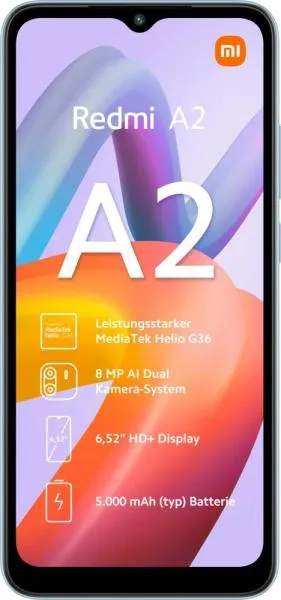
| Dimensions (mm) | 164.9 x 76.8 x 9.1 | 285.4 x 185.4 x 6.5 | The Redmi A2+ is a significantly smaller, more pocketable smartphone. The Tab S9 FE+ is a large tablet. |
| Weight (g) | 192 | 627 | Redmi A2+ is much lighter and easier to hold for extended periods. The Tab S9 FE+ is heavier and less portable. |
| Build Material | Not specified | Not specified | Build quality comparison is impossible without material information. |
| Display | |||
| Display Size (inches) | 6.52 | 12.4 | The Tab S9 FE+ offers a much larger screen for media consumption and multitasking. |
| Resolution (px) | 720 x 1600 | 2560 x 1600 | Despite the larger size, the Tab S9 FE+ has a sharper display due to higher resolution. |
| Display Type | IPS LCD | IPS LCD | Both use IPS LCD technology, expecting similar color accuracy and viewing angles. |
| Refresh Rate (Hz) | Not specified | 90 | The 90Hz refresh rate on the Tab S9 FE+ will result in smoother scrolling and animations. |
| Performance | |||
| Chipset | Mediatek Helio G36 (12 nm) | Exynos 1380 (5 nm) | The Exynos 1380 in the Tab S9 FE+ is significantly more powerful and efficient due to the smaller 5nm process. |
| CPU | Octa-core (4x2.2 GHz Cortex-A53 & 4x1.7 GHz Cortex-A53) | Octa-core (4x2.4 GHz Cortex-A78 & 4x2.0 GHz Cortex-A55) | The Tab S9 FE+ has a more modern and powerful CPU architecture, leading to much better performance in demanding tasks. |
| GPU | PowerVR GE8320 | Mali-G68 MP5 | The Tab S9 FE+ boasts a considerably more powerful GPU, enabling better gaming and graphics performance. |
| RAM | 2GB/3GB | 8GB/12GB | The Tab S9 FE+ offers substantially more RAM, allowing for smoother multitasking and better performance with demanding applications. |
| Camera | |||
| Rear Camera | 8MP + 0.3MP | 12MP + 8MP | The Tab S9 FE+ provides higher resolution cameras, potentially capturing more detailed photos and videos. |
| Front Camera | 5MP | 8MP | Tab S9 FE+ has a higher resolution front-facing camera for better selfies and video calls. |
| Video Recording | 1080p@30fps | 4K@30fps | Tab S9 FE+ can record videos at a much higher resolution (4K). |
| Battery | |||
| Capacity (mAh) | 5000 | 10090 | The Tab S9 FE+ has a significantly larger battery capacity, likely providing much longer battery life. |
| Fast Charging | 10W | 45W | Tab S9 FE+ supports significantly faster charging. |
2. Key Differences Analysis
Xiaomi Redmi A2+ Advantages:
- Portability: Significantly smaller and lighter, making it ideal for one-handed use and portability.
- Affordability: Belongs to a lower price range, making it budget-friendly.
Samsung Galaxy Tab S9 FE+ Advantages:
- Performance: Much more powerful processor, GPU, and significantly more RAM for demanding tasks and gaming.
- Display: Larger, higher resolution display with a faster refresh rate for a superior viewing experience.
- Battery: Substantially larger battery with faster charging capabilities.
- Camera: Higher resolution cameras capable of recording 4K video.
3. User Profiles & Recommendations
Xiaomi Redmi A2+: Ideal for users with basic smartphone needs like calling, texting, and light browsing. Budget-conscious users will appreciate its affordability. Good for users who prioritize a compact and lightweight device.
Samsung Galaxy Tab S9 FE+: Suitable for users who need a powerful device for demanding tasks like gaming, video editing, and multitasking. The large display is excellent for media consumption and creative work. Ideal for users who prioritize performance and screen real estate.
4. Decision Framework
Key Questions for Buyers:
- What is your budget? The Redmi A2+ is significantly cheaper.
- What is your primary use for the device? Basic communication vs. demanding tasks and media consumption.
- Do you prioritize portability or screen size? A smaller phone vs. a larger tablet.
Scenario-Based Recommendations:
- Limited budget, basic needs: Redmi A2+
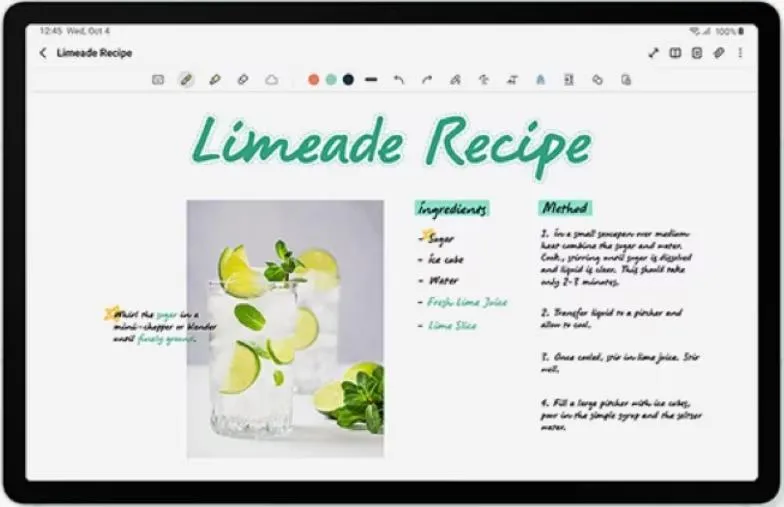
- Student needing a device for note-taking and media consumption: Tab S9 FE+
- Gamer or professional needing high performance: Tab S9 FE+
My Choice: Samsung Galaxy Tab S9 FE+
While the Redmi A2+ offers excellent value for its price, I would choose the Samsung Galaxy Tab S9 FE+. The significantly improved performance, larger and sharper display with a higher refresh rate, vastly superior battery life, and better cameras outweigh the higher price and larger size for my needs. I value a smooth and responsive user experience, and the Tab S9 FE+'s powerful hardware ensures that. I would primarily use this device for media consumption, creative work, and some light gaming, all of which benefit greatly from the Tab S9 FE+'s strengths. While I acknowledge the portability advantage of the Redmi A2+, the Tab S9 FE+'s capabilities better suit my personal and professional requirements.
