1. Specifications Comparison
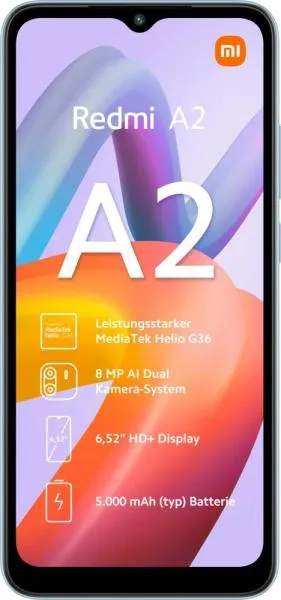
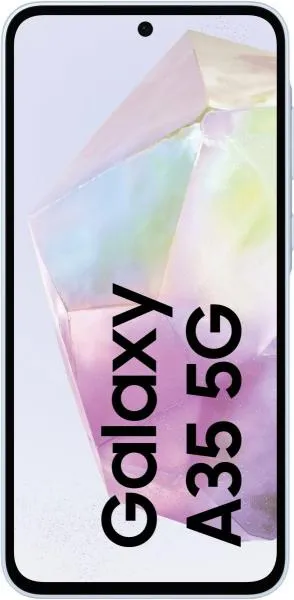
| Feature | Xiaomi Redmi A2+ | Samsung Galaxy A35 | Practical Impact |
|---|---|---|---|
| Design | |||
| Dimensions (mm) | 164.9 x 76.8 x 9.1 | 161.7 x 78 x 8.2 | A35 is slightly shorter, narrower, and significantly thinner. |
| Weight (g) | 192 | 209 | A2+ is noticeably lighter, improving one-handed use. |
| Build | Not specified | Not specified | Build quality and materials impact durability and premium feel; information lacking for both. |
| Display | |||
| Size (inches) | 6.52 | 6.6 | Negligible size difference. |
| Resolution | 720 x 1600 | 1080 x 2340 | A35 has a much sharper and more detailed display, enhancing media consumption and overall clarity. |
| Panel Type | IPS LCD | Super AMOLED | A35 offers vibrant colors, deeper blacks, and better power efficiency due to AMOLED technology. |
| Refresh Rate | Not specified | 120Hz | A35's 120Hz provides smoother scrolling and animations, leading to a more fluid user experience. |
| Performance | |||
| Chipset | Mediatek Helio G36 (12nm) | Exynos 1380 (5nm) | A35's 5nm processor offers significantly better performance, efficiency, and thermal management. |
| CPU | Octa-core (4x2.2 GHz Cortex-A53 & 4x1.7 GHz Cortex-A53) | Octa-core (4x2.4 GHz Cortex-A78 & 4x2.0 GHz Cortex-A55) | A35 boasts a more powerful and modern CPU architecture, resulting in faster app loading, multitasking, and gaming. |
| GPU | PowerVR GE8320 | Mali-G68 MP5 | A35's GPU offers substantially improved graphics performance for demanding games and applications. |
| RAM | 2GB/3GB | 6GB/8GB | A35 offers more RAM, enabling smoother multitasking and preventing app closures in the background. |
| OS | Android 12 | Android 14 | A35 runs a newer Android version with more features, security updates, and potentially longer software support. |
| Camera | |||
| Rear Camera | 8MP + 0.3MP | 50MP + 8MP + 5MP | A35 features a higher resolution main sensor, a dedicated wide-angle lens, and a macro lens, offering greater versatility and potentially better image quality. |
| Front Camera | 5MP | 13MP | A35's higher resolution front camera will likely produce better selfies. |
| Video Recording | 1080p@30fps | 4K@30fps | A35 supports higher resolution video recording. |
| Battery | |||
| Capacity | 5000 mAh | 5000 mAh | Similar battery capacity on both phones. |
| Fast Charging | 10W | 25W | A35 supports significantly faster charging, minimizing downtime. |
2. Key Differences Analysis
Xiaomi Redmi A2+ Advantages:
- Lighter Weight: Noticeably lighter, potentially more comfortable for extended use.
- Lower Price: Significantly more affordable.
Samsung Galaxy A35 Advantages:
- Superior Performance: Significantly faster processor, GPU, and more RAM for a smoother and more responsive experience.
- Better Display: Higher resolution, AMOLED technology, and 120Hz refresh rate provide a vastly improved visual experience.
- More Versatile Camera System: Higher resolution sensors, wider range of lenses, and 4K video recording capabilities.
- Newer Software: More up-to-date Android version with longer software support lifespan.
- Faster Charging: Significantly faster charging speeds.
- NFC: Enables contactless payments and other NFC functionalities.
3. User Profiles & Recommendations
Xiaomi Redmi A2+: Budget-conscious users who prioritize basic communication (calls, texts, browsing) and light app usage. Suitable for users who don't engage in demanding tasks like gaming or heavy multitasking.
Samsung Galaxy A35: Users who value performance, a high-quality display, a versatile camera system, and the latest software features. Suitable for gamers, content creators, and users who demand a smooth and responsive smartphone experience.
4. Decision Framework
Key Questions for Buyers:
- What is your budget? The A2+ is a budget option, while the A35 is a mid-range device.
- What are your primary smartphone usage patterns? Basic communication vs. demanding tasks like gaming and content creation.
- How important are display quality, camera performance, and overall speed? The A35 significantly outperforms the A2+ in these areas.
My Choice: Samsung Galaxy A35
While the Xiaomi Redmi A2+ offers an extremely budget-friendly option, the Samsung Galaxy A35 is the clear winner for me. The significantly improved performance, superior display, versatile camera system, faster charging, NFC functionality, and newer software make it a much more compelling device. The price difference is justified by the substantial upgrade in overall user experience. Even though specific build materials weren't listed for either phone, the overall package offered by the A35 points to a device that will likely provide a more satisfying and longer-lasting user experience.
