1. Specifications Comparison
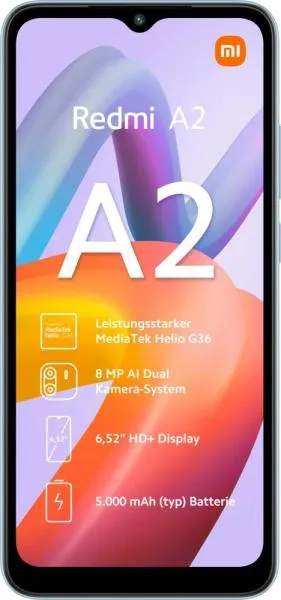
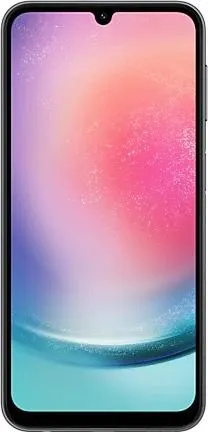
| Feature | Xiaomi Redmi A2+ | Samsung Galaxy A24 4G | Practical Impact |
|---|---|---|---|
| Design | |||
| Dimensions (mm) | 164.9 x 76.8 x 9.1 | 162.1 x 77.6 x 8.3 | A24 slightly shorter, narrower, and thinner. Negligible difference in daily use. |
| Weight (g) | 192 | 195 | Virtually identical weight. |
| Build | Not specified | Not specified | Cannot compare build quality without more information. |
| Display | |||
| Display Type | IPS LCD | Super AMOLED | AMOLED offers significantly better contrast, deeper blacks, and more vibrant colors. A24 will likely have better outdoor visibility. |
| Display Size (inches) | 6.52 | 6.5 | Negligible size difference. |
| Resolution | 720 x 1600 | 1080 x 2340 | A24 has a much sharper display (396 ppi vs 269 ppi), resulting in clearer text and images. |
| Refresh Rate | Not specified | 90Hz | 90Hz refresh rate on the A24 provides smoother scrolling and animations compared to a standard 60Hz likely on the Redmi A2+. |
| Peak Brightness | 400 nits (typ) | 1000 nits (peak) | A24 will be much easier to see in direct sunlight. |
| Performance | |||
| Chipset | Mediatek Helio G36 (12 nm) | Mediatek Helio G99 (6 nm) | G99 is significantly more powerful and power-efficient due to smaller manufacturing process. A24 will offer better performance in demanding tasks and games. |
| CPU | Octa-core (4x2.2 GHz Cortex-A53 & 4x1.7 GHz Cortex-A53) | Octa-core (2x2.2 GHz Cortex-A76 & 6x2.0 GHz Cortex-A55) | A24 has faster and more efficient CPU cores, leading to better multitasking and overall responsiveness. |
| RAM | 2GB/3GB | 4GB/6GB/8GB (Version Dependent) | More RAM in the A24 enables smoother multitasking and better performance with multiple apps open. |
| Camera | |||
| Rear Camera | 8MP Main, 0.3MP unspecified | 50MP Main, 5MP Ultrawide, 2MP Macro | A24 has a much higher resolution main sensor and offers versatility with ultrawide and macro lenses. Image quality will likely be much better on the A24. |
| Front Camera | 5MP | 13MP | A24 has a higher resolution front camera for better selfies. |
| Video Recording | 1080p@30fps | 1080p@30fps with EIS | Both record at 1080p, but A24 features Electronic Image Stabilization (EIS) for smoother video footage. |
| Battery | |||
| Capacity | 5000 mAh | 5000 mAh | Similar battery capacity, but actual battery life will depend on software optimization and usage. |
| Charging | 10W | 25W | A24 supports significantly faster charging. |
2. Key Differences Analysis
Xiaomi Redmi A2+ Advantages:
- Lower Price: Significantly more affordable.
Samsung Galaxy A24 4G Advantages:
- Significantly Better Performance: The Helio G99 chipset, coupled with more RAM, offers a much smoother user experience.
- Superior Display: AMOLED technology, higher resolution, and 90Hz refresh rate deliver a more vibrant and responsive visual experience.
- Enhanced Camera System: Higher resolution sensors, ultrawide lens, and optical image stabilization contribute to better photo and video quality.
- Faster Charging: 25W fast charging significantly reduces charging time.
- NFC: Enables contactless payments and other NFC functionalities.
- More up-to-date OS and expected longer support: Ships with Android 13 and eligible for updates up to Android 17.
Trade-offs:
- The Redmi A2+ sacrifices performance, display quality, and camera features for affordability.
- The Galaxy A24 comes at a significantly higher price.
3. User Profiles & Recommendations
Xiaomi Redmi A2+: Budget-conscious users who prioritize basic functionality for calling, texting, and light web browsing. Ideal for users who rarely use demanding apps or games.
Samsung Galaxy A24 4G: Users who value a smooth and responsive user experience, a high-quality display, a versatile camera system, and faster charging. Suitable for gaming, media consumption, and multitasking.
4. Decision Framework
Key Questions for Buyers:
- What is your budget? The Redmi A2+ is a budget option, while the A24 is a mid-range device.
- What are your primary smartphone uses? Basic tasks or demanding apps and games?
- How important are display quality, camera performance, and charging speed to you?
Scenario-Based Recommendations:
- Tight budget, basic usage: Redmi A2+
- Balanced performance and price: Galaxy A24
- Prioritize performance, display, and camera: Galaxy A24
My Choice: Samsung Galaxy A24 4G
While the Redmi A2+ offers an incredibly low price point, the compromises in performance, display, and camera are too significant for me. The Galaxy A24 provides a vastly superior user experience with its more powerful processor, vibrant AMOLED display, versatile camera system, faster charging, and NFC functionality. The longer software support lifecycle expected from Samsung also adds value in the long run. Even with the higher price, the A24 offers a much better balance of features and performance, making it a more worthwhile investment for a satisfying smartphone experience.
