1. Specifications Comparison
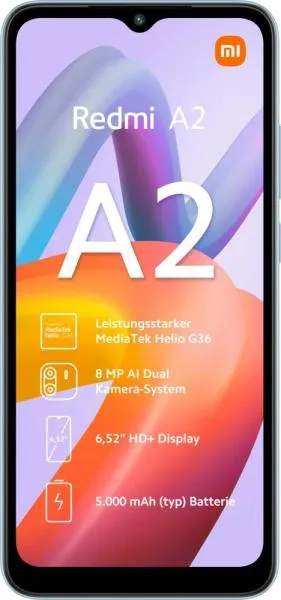
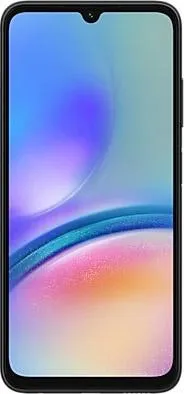
| Feature | Xiaomi Redmi A2+ | Samsung Galaxy A05s | Practical Impact |
|---|---|---|---|
| Design | |||
| Dimensions (mm) | 164.9 x 76.8 x 9.1 | 168 x 77.8 x 8.8 | A05s slightly larger; negligible difference in daily use. |
| Weight (g) | 192 | 194 | Virtually identical weight. |
| Build | Unspecified | Unspecified | Build quality and materials unknown, impacting durability and premium feel. |
| Display | |||
| Size (inches) | 6.52 | 6.7 | A05s offers a slightly larger screen for more immersive content consumption. |
| Resolution | 720 x 1600 | 1080 x 2400 | A05s significantly sharper display; noticeable difference in clarity for text and images. |
| Display Type | IPS LCD | PLS LCD | Both are LCD panels, but PLS generally offers slightly better color reproduction and viewing angles than IPS. |
| Refresh Rate | Unspecified | 90Hz | A05s' 90Hz refresh rate results in smoother animations and scrolling compared to A2+'s likely 60Hz (unspecified). |
| Performance | |||
| Chipset | Mediatek Helio G36 (12 nm) | Qualcomm Snapdragon 680 4G (6 nm) | Snapdragon 680 offers better performance and power efficiency due to its superior architecture and smaller manufacturing process. |
| CPU | Octa-core (4x2.2 GHz Cortex-A53 & 4x1.7 GHz Cortex-A53) | Octa-core (4x2.4 GHz Kryo 265 Gold & 4x1.9 GHz Kryo 265 Silver) | A05s has a more powerful CPU architecture, leading to faster app loading, multitasking, and overall responsiveness. |
| GPU | PowerVR GE8320 | Adreno 610 | Adreno 610 offers significantly better graphics performance, beneficial for gaming and visually demanding tasks. |
| RAM | 2GB/3GB | 4GB/6GB | A05s offers more RAM, enabling smoother multitasking and handling of demanding applications. |
| Camera | |||
| Rear Camera | 8MP Main, 0.3MP unspecified | 50MP Main, 2MP Portrait, 2MP Macro | A05s boasts a significantly higher resolution main sensor and dedicated portrait/macro lenses, promising much better image quality and versatility. |
| Front Camera | 5MP | 13MP | A05s' higher resolution front camera will produce better quality selfies. |
| Video Recording | 1080p@30fps | 1080p@30/60fps | A05s offers 60fps recording for smoother video footage. |
| Battery | |||
| Capacity | 5000 mAh | 5000 mAh | Identical battery capacity suggests similar potential battery life, though real-world usage varies. |
| Charging | 10W | 25W | A05s significantly faster charging speeds minimize downtime. |
2. Key Differences Analysis
Xiaomi Redmi A2+ Advantages:
- Lower Price: This phone caters to budget-conscious users.
Samsung Galaxy A05s Advantages:
- Superior Performance: Noticeably faster processor, GPU, and more RAM enable smoother multitasking, gaming, and overall user experience.
- Better Display: Higher resolution, refresh rate, and potentially better color reproduction provide a more enjoyable viewing experience.
- More Versatile Camera: Higher resolution sensors, dedicated macro and depth lenses, and faster video recording capabilities deliver superior image and video quality.
- Faster Charging: Significantly reduced charging times.
- NFC: Enables contactless payments and other NFC functionalities.
- USB Type-C: More modern and versatile port.
Trade-offs:
- Price: The A05s comes at a higher price point.
3. User Profiles & Recommendations
Xiaomi Redmi A2+: Suitable for users with basic needs like calling, texting, and light web browsing. Budget-conscious users who prioritize affordability over performance and features.
Samsung Galaxy A05s: Ideal for users who demand smoother performance, a better display, a more versatile camera, and faster charging. Suitable for moderate gaming, social media, photography, and content consumption.
4. Decision Framework
Key Questions:
- What is your budget? The A2+ is a budget option, while the A05s is a mid-range device.
- What are your primary smartphone usage patterns? Basic use cases vs. demanding tasks like gaming or photography.
- Which features are most important to you? Performance, display, camera, battery life, charging speed, NFC.
My Choice: Samsung Galaxy A05s
While the Redmi A2+ offers extreme affordability, the Galaxy A05s provides a significantly better overall user experience for a moderately higher price. The superior performance, display, camera, faster charging, and NFC functionality make it a more compelling option for most users. The Snapdragon 680, coupled with ample RAM, ensures smoother operation even with multitasking. The 90Hz display and higher resolution screen make a noticeable difference in daily use. The camera system is vastly superior, offering much better photo and video quality. Even though specific build materials are unknown for both, the combination of these tangible benefits makes the A05s a much better value proposition in the long run. A slightly larger phone is generally preferable for media consumption as well.
