
1. Specifications Comparison
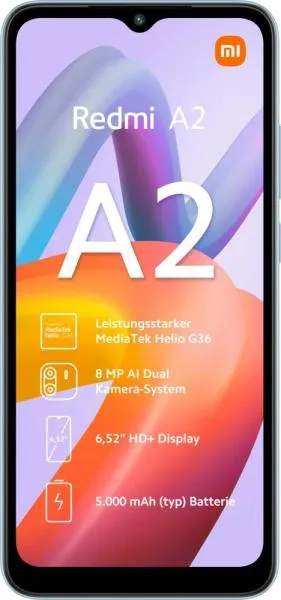
| Feature | Xiaomi Redmi A2+ | Oppo Reno11 | Practical Impact |
|---|---|---|---|
| Design | |||
| Dimensions (mm) | 164.9 x 76.8 x 9.1 | 162.4 x 74.3 x 7.9 | Reno11 is slightly smaller and thinner, making it potentially more pocketable. |
| Weight (g) | 192 | 182 | Reno11 is noticeably lighter, improving one-handed use. |
| Build Material | Not specified | Not specified | Cannot compare build quality and durability without material information. |
| Display | |||
| Display Type | IPS LCD | AMOLED | Reno11's AMOLED offers superior contrast, deeper blacks, and potentially better power efficiency. |
| Display Size (inches) | 6.52 | 6.7 | Reno11 provides a larger viewing area for media consumption. |
| Resolution | 720 x 1600 | 1080 x 2412 | Reno11 boasts significantly sharper visuals due to higher resolution. |
| Refresh Rate | Not specified | 120Hz | Reno11's 120Hz refresh rate results in smoother animations and scrolling. |
| Peak Brightness | 400 nits (typ) | 950 nits (peak) | Reno11 will be much more readable in direct sunlight. |
| Performance | |||
| Chipset | Mediatek Helio G36 (12 nm) | Mediatek Dimensity 7050 (6 nm) | Reno11's more modern and efficient chipset will deliver significantly better performance and potentially longer battery life. |
| CPU | Octa-core (4x2.2 GHz Cortex-A53 & 4x1.7 GHz Cortex-A53) | Octa-core (2x2.6 GHz Cortex-A78 & 6x2.0 GHz Cortex-A55) | Reno11 has a more powerful CPU architecture, leading to faster app loading, multitasking, and overall responsiveness. |
| GPU | PowerVR GE8320 | Mali-G68 MC4 | Reno11's GPU provides a substantial boost in graphics performance for gaming and demanding applications. |
| RAM | 2GB/3GB | 12GB | Reno11 offers vastly more RAM, enabling seamless multitasking and preventing app closures in the background. |
| Camera | |||
| Rear Camera | 8MP main, 0.3MP secondary | 50MP main, 8MP wide, 32MP telephoto | Reno11 offers significantly higher resolution, versatile lenses (wide and telephoto), and likely better image quality. |
| Front Camera | 5MP | 32MP | Reno11's front camera provides much higher resolution for selfies and video calls. |
| Video Recording | 1080p@30fps | 4K@30fps, up to 960fps slow-motion | Reno11 offers superior video recording capabilities with higher resolution and slow-motion options. |
| Battery | |||
| Capacity | 5000 mAh | 4800 mAh | Similar battery capacities, but real-world battery life will depend on software optimization and hardware efficiency. |
| Charging | 10W fast charging | 67W fast charging | Reno11 supports significantly faster charging, minimizing downtime. |
2. Key Differences Analysis
Xiaomi Redmi A2+ Advantages:
- Lower Price: Significantly more affordable.
Oppo Reno11 Advantages:
- Superior Performance: Much faster processor, GPU, and significantly more RAM.
- Better Display: Higher resolution, AMOLED technology, 120Hz refresh rate, higher brightness.
- Enhanced Camera System: Higher resolution sensors, versatile lenses, superior video recording capabilities.
- Faster Charging: 67W fast charging significantly reduces charging time.
- More Modern Features: NFC for contactless payments, USB Type-C port.
3. User Profiles & Recommendations
Xiaomi Redmi A2+: Budget-conscious users who prioritize basic communication and light usage (calls, texting, browsing). Not recommended for gaming, demanding applications, or media consumption.
Oppo Reno11: Users who value performance, a high-quality display, a versatile camera system, and fast charging. Suitable for gaming, media consumption, multitasking, and photography enthusiasts.
4. Decision Framework
Key Questions:
- What is your budget? The Redmi A2+ is significantly cheaper.
- What are your primary smartphone usage patterns? For basic use, the A2+ might suffice. For demanding tasks, the Reno11 is necessary.
- Which features are most important to you? Prioritize features like display quality, performance, camera, or battery life based on your needs.
My Choice: Oppo Reno11
While the Xiaomi Redmi A2+ offers an extremely budget-friendly option, the Oppo Reno11 is the clear winner for me. The superior performance, stunning AMOLED display with 120Hz, versatile camera system, and incredibly fast charging outweigh the price difference. The Reno11 offers a significantly better user experience across the board, making it a much more future-proof investment. While the A2+ might suit users with extremely limited budgets and basic needs, the Reno11 provides a modern smartphone experience that will satisfy most users for years to come. The difference in chipset technology (6nm vs 12nm) alone makes a huge difference in daily usability and battery life. I value a smooth and responsive experience, and the Reno11 delivers that in spades.
