
1. Specifications Comparison
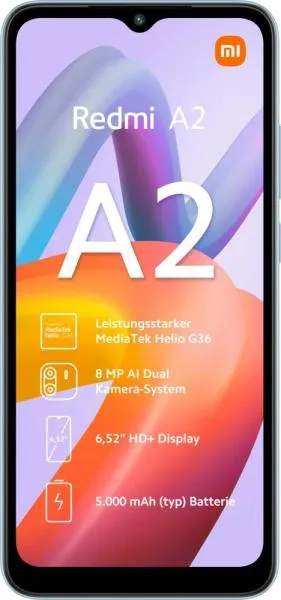
| Feature | Xiaomi Redmi A2+ | Oppo Reno10 | Practical Impact |
|---|---|---|---|
| Design | |||
| Dimensions (mm) | 164.9 x 76.8 x 9.1 | 162.4 x 74.2 x 8 | Reno10 is slightly smaller and thinner. |
| Weight (g) | 192 | 185 | Reno10 is noticeably lighter, improving one-handed use. |
| Build | Unspecified | Unspecified | Material differences could impact durability and premium feel; information is lacking. |
| Display | |||
| Display Type | IPS LCD | AMOLED | AMOLED offers deeper blacks, vibrant colors, and potentially better power efficiency. |
| Display Size (inches) | 6.52 | 6.7 | Reno10 has a slightly larger display, providing more screen real estate. |
| Resolution | 720 x 1600 | 1080 x 2412 | Reno10 has a significantly sharper display, resulting in clearer text and images. |
| Refresh Rate | Unspecified | 120Hz | 120Hz refresh rate on the Reno10 delivers smoother animations and scrolling. |
| Peak Brightness (nits) | 400 (typ) | 950 (peak) | Reno10's higher peak brightness ensures better visibility in sunlight. |
| Performance | |||
| Chipset | Mediatek Helio G36 (12nm) | Mediatek Dimensity 7050 (6nm) | Reno10's 6nm chipset provides significant performance and efficiency advantages over the 12nm Helio G36. Expect smoother multitasking and better gaming. |
| CPU | Octa-core (4x2.2 GHz Cortex-A53 & 4x1.7 GHz Cortex-A53) | Octa-core (2x2.6 GHz Cortex-A78 & 6x2.0 GHz Cortex-A55) | Reno10 utilizes more powerful CPU cores (Cortex-A78) for demanding tasks. |
| RAM | 2GB/3GB | 8GB | Reno10's larger RAM allows for significantly better multitasking and app switching without slowdowns. |
| Camera | |||
| Rear Camera | 8MP Main, 0.3MP unspecified | 64MP Main, 32MP Telephoto, 8MP Wide | Reno10 offers a vastly superior camera system with higher resolution, telephoto capabilities, and a wider field of view. |
| Front Camera | 5MP | 32MP | Reno10's higher resolution front camera will produce much better selfies. |
| Video Recording | 1080p@30fps | 4K@30fps, 1080p@480fps | Reno10 supports higher resolution video recording and slow-motion capabilities. |
| Battery | |||
| Capacity | 5000 mAh | 5000 mAh | Similar battery capacities suggest comparable battery life, though real-world usage may vary due to chipset efficiency differences. |
| Fast Charging | 10W | 67W | Reno10's significantly faster charging drastically reduces charging times. |
2. Key Differences Analysis
Xiaomi Redmi A2+ Advantages:
- Lower Price: Significantly more affordable.
Oppo Reno10 Advantages:
- Superior Performance: Much faster processor, more RAM, leading to a smoother overall experience.
- Better Display: Higher resolution, AMOLED technology, 120Hz refresh rate for a vastly improved visual experience.
- More Versatile Camera System: Higher resolution sensors, telephoto lens, wide-angle lens for significantly better photos and videos.
- Faster Charging: 67W fast charging dramatically reduces downtime.
- NFC: Enables contactless payments and other NFC functionalities.
Trade-offs:
- The Redmi A2+ sacrifices performance, display quality, and camera capabilities for affordability.
- The Reno10 comes at a significantly higher price.
3. User Profiles & Recommendations
Xiaomi Redmi A2+: Suitable for budget-conscious users who prioritize basic functionality: calling, texting, web browsing, and light social media usage. Ideal for users who are not concerned with high performance or advanced features.
Oppo Reno10: Suitable for users who demand a smooth and responsive experience, enjoy mobile gaming, consume media heavily, and value high-quality photography and videography. A good choice for those who are willing to pay a premium for a feature-rich device.
4. Decision Framework
Key Questions for Buyers:
- What is your budget? The Redmi A2+ is a budget option, while the Reno10 is a mid-range device.
- What are your primary smartphone usage patterns? Basic usage vs. demanding tasks like gaming and media consumption.
- How important are camera quality and display quality to you? The Reno10 significantly outperforms the Redmi A2+ in these areas.
Scenario-Based Recommendations:
- Limited Budget, Basic Usage: Redmi A2+
- Student Needing Performance for Studies and Entertainment: Reno10
- Photography Enthusiast: Reno10
- Mobile Gamer: Reno10
My Choice: Oppo Reno10
While the Redmi A2+ offers an extremely budget-friendly option, the Reno10 provides a significantly better overall user experience. The superior performance, display, camera system, and fast charging capabilities justify the higher price for me. The 6nm processor, 8GB of RAM, and 120Hz AMOLED display ensure smooth multitasking and a visually pleasing experience. The versatile camera system and fast charging are essential features in a modern smartphone. Although I acknowledge the budget constraints some users may face, I prioritize a fluid and enjoyable user experience, making the Reno10 the clear winner for me.
