1. Specifications Comparison
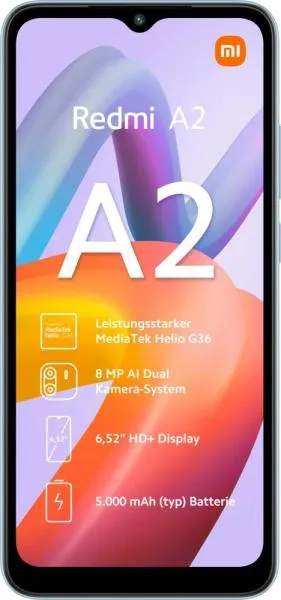
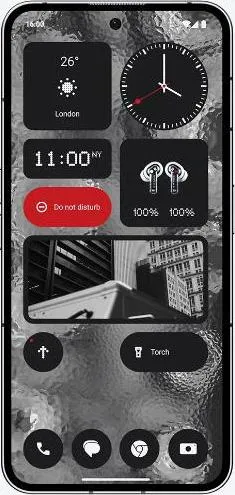
| Feature | Xiaomi Redmi A2+ | Nothing Phone (2) | Practical Impact |
|---|---|---|---|
| Design | |||
| Dimensions (mm) | 164.9 x 76.8 x 9.1 | 162.1 x 76.4 x 8.6 | Nothing Phone (2) is slightly smaller and thinner. |
| Weight (g) | 192 | 201.2 | Negligible weight difference in real-world usage. |
| Build | Unspecified | Unspecified | Build quality and materials cannot be compared due to lack of information. |
| Display | |||
| Display Type | IPS LCD | LTPO OLED | Nothing Phone (2) offers superior contrast, deeper blacks, and potentially better power efficiency due to LTPO. |
| Display Size (inches) | 6.52 | 6.7 | Slightly larger screen on the Nothing Phone (2) provides more immersive content consumption. |
| Resolution | 720 x 1600 | 1080 x 2412 | Significantly sharper and more detailed visuals on the Nothing Phone (2). Redmi A2+ will appear pixelated in comparison. |
| Refresh Rate | Unspecified | 120Hz | Nothing Phone (2) will offer smoother scrolling and animations. We can't compare without Redmi A2+'s refresh rate. |
| Peak Brightness | 400 nits (typ) | 1600 nits (peak) | Nothing Phone (2) will be significantly more visible in direct sunlight. |
| Performance | |||
| Chipset | Mediatek Helio G36 (12 nm) | Qualcomm Snapdragon 8+ Gen 1 (4 nm) | Vastly superior performance on the Nothing Phone (2) for demanding tasks and gaming. Redmi A2+ is for basic usage. |
| CPU | Octa-core (4x2.2 GHz Cortex-A53 & 4x1.7 GHz Cortex-A53) | Octa-core (1x3.0 GHz Cortex-X2 & 3x2.5 GHz Cortex-A710 & 4x1.80 GHz Cortex-A510) | Much faster and more efficient CPU in the Nothing Phone (2). |
| RAM | 2/3 GB | 8/12 GB | Significantly more RAM on the Nothing Phone (2) allows for seamless multitasking and app switching. |
| Storage | 32/64GB | 256/512GB | Much larger storage options available on the Nothing Phone (2). |
| OS | Android 12 | Android 13 (upgradable to 16) | Nothing Phone (2) has a more modern OS with longer software support, ensuring security updates and new features. |
| Camera | |||
| Rear Camera | 8MP + 0.3MP | 50MP (Sony IMX890) + 50MP (Samsung S5KJN1) | Dramatically better camera quality and versatility expected on the Nothing Phone (2) with higher resolution, better sensors, and wider angle capabilities. |
| Front Camera | 5MP | 32MP | Significantly better selfie camera resolution on the Nothing Phone (2). |
| Video Recording | 1080p@30fps | Up to 4K@60fps with OIS/EIS | Higher resolution and smoother video recording with image stabilization on the Nothing Phone (2). |
| Battery | |||
| Capacity | 5000 mAh | 4700 mAh | Slightly larger battery on the Redmi A2+, but real-world battery life will depend on usage and the more efficient display and chipset of the Nothing Phone (2). |
| Fast Charging | 10W | 45W | Much faster charging on the Nothing Phone (2). |
| Other | microUSB 2.0, No NFC | USB Type-C 2.0, NFC | Modern connectivity options (USB-C, NFC) available on the Nothing Phone (2). |
2. Key Differences Analysis
Xiaomi Redmi A2+ Advantages:
- Lower Price: Significantly more affordable.
- Potentially Longer Battery Life: Larger battery capacity, but this could be offset by the less efficient display and processor.
Nothing Phone (2) Advantages:
- Superior Performance: Significantly faster processor, more RAM, and a more modern GPU for a smooth and responsive user experience.
- High-Quality Display: Sharper, brighter OLED display with a higher refresh rate for better visuals and smoother interactions.
- Better Camera System: Much higher resolution sensors, wider angle lens, and advanced features like OIS for superior photo and video quality.
- Future-Proofing: More recent Android version with guaranteed updates, 5G connectivity, USB-C port, and NFC.
3. User Profiles & Recommendations
Xiaomi Redmi A2+: Budget-conscious users who prioritize basic communication (calls, texts, browsing) and simple tasks. Ideal for users who rarely play games or use demanding apps.
Nothing Phone (2): Users who value performance, a high-quality display, a good camera, and modern features. Ideal for gamers, content creators, power users, and those who want a future-proof device.
4. Decision Framework
Key Questions for Buyers:
- What is your budget? The Redmi A2+ is significantly cheaper.
- What are your primary use cases? Basic communication vs. demanding tasks, gaming, content creation.
- How important are features like display quality, camera performance, and future-proofing?
My Choice: Nothing Phone (2)
While the Redmi A2+ offers an extremely budget-friendly option, the Nothing Phone (2)'s vastly superior performance, modern features like 5G and NFC, beautiful display, and capable camera make it the clear winner for me. The price difference is significant, but the long-term value proposition of the Nothing Phone (2) with its longer software support and powerful hardware justifies the investment. I prioritize a smooth user experience, a good display, and having a phone that will last for several years without feeling outdated. The Redmi A2+ feels compromised in too many areas to be a compelling choice beyond the most basic needs and extremely tight budgets.
