1. Specifications Comparison
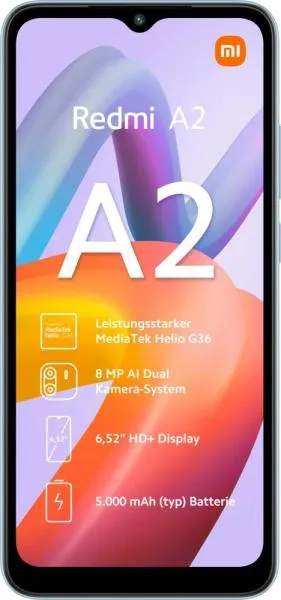
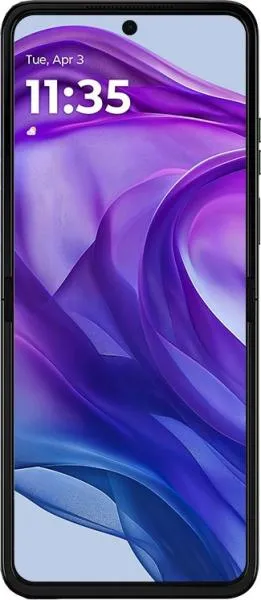
| Feature | Xiaomi Redmi A2+ | Motorola Razr 50 Ultra | Practical Impact |
|---|---|---|---|
| Design | |||
| Dimensions (mm) | 164.9 x 76.8 x 9.1 | 171.4 x 74 x 7.1 | Razr 50 Ultra is significantly thinner and slightly narrower, but taller due to its foldable design. Redmi A2+ is larger and thicker. |
| Weight (g) | 192 | 189 | Negligible weight difference; both feel relatively light. |
| Foldable | No | Yes | Razr 50 Ultra's foldable design offers portability and a unique form factor, but introduces potential durability concerns. |
| Build Material | Unspecified | Unspecified | Material choice impacts durability and premium feel; without specifics, comparison is impossible. |
| Display | |||
| Display Type | IPS LCD | Foldable LTPO AMOLED | Razr 50 Ultra offers significantly better contrast, color accuracy, and potentially improved power efficiency with AMOLED and LTPO. Redmi A2+ uses a standard LCD. |
| Size (inches) | 6.52 | 6.9 | Razr 50 Ultra provides a larger viewing area. |
| Resolution (px) | 720 x 1600 | 1080 x 2640 | Razr 50 Ultra has a much sharper and more detailed display. |
| Refresh Rate (Hz) | Unspecified | 165 | Razr 50 Ultra will offer significantly smoother scrolling and animations due to the high refresh rate. |
| Peak Brightness (nits) | 400 (typ) | 3000 (peak) | Razr 50 Ultra will be far more visible in direct sunlight. |
| Performance | |||
| Chipset | Mediatek Helio G36 (12 nm) | Qualcomm SM8635 Snapdragon 8s Gen 3 (4 nm) | Razr 50 Ultra boasts a vastly more powerful processor, resulting in significantly faster performance, smoother multitasking, and better gaming capabilities. |
| CPU | Octa-core (4x2.2 GHz Cortex-A53 & 4x1.7 GHz Cortex-A53) | Octa-core (1x3.0 GHz Cortex-X4 & 4x2.8 GHz Cortex-A720 & 3x2.0 GHz Cortex-A520) | Razr 50 Ultra uses a newer CPU architecture with higher clock speeds, translating to a substantial performance advantage. |
| RAM (GB) | 2 | 12 | The massive difference in RAM allows for significantly more apps to run in the background on the Razr 50 Ultra without performance slowdown. |
| Camera | |||
| Main Camera (MP) | 8 | 50 | Razr 50 Ultra's higher resolution main camera likely captures significantly more detail and offers better low-light performance, though sensor size and other factors also play a crucial role. |
| Selfie Camera (MP) | 5 | 32 | Razr 50 Ultra offers a much higher resolution selfie camera. |
| Video Recording | 1080p@30fps | Up to 4K@60fps with HDR, EIS; up to 1080p@960fps | Razr 50 Ultra supports significantly higher resolution and frame rate video recording, along with advanced features like HDR and EIS for improved quality. |
| Battery | |||
| Capacity (mAh) | 5000 | 4000 | Redmi A2+ has a larger battery capacity, potentially offering longer battery life despite its less efficient display. Real-world usage will vary significantly. |
| Fast Charging (W) | 10 | 45 | Razr 50 Ultra supports significantly faster charging, minimizing downtime. |
2. Key Differences Analysis
Xiaomi Redmi A2+ Advantages:
- Potentially Longer Battery Life: Larger battery capacity might result in longer usage time.
- Lower Price: Significantly more affordable.
Motorola Razr 50 Ultra Advantages:
- Significantly Higher Performance: Superior processor, more RAM, resulting in a smoother and faster user experience.
- Superior Display: Foldable AMOLED with higher resolution, refresh rate, and brightness.
- More Advanced Camera System: Higher resolution sensors, better video recording capabilities.
- Faster Charging: Significantly reduced charging time.
- More Modern Features: NFC, 5G connectivity, newer Android version, USB Type-C.
Trade-offs:
- Price: The Razr 50 Ultra is significantly more expensive.
- Durability: Foldable phones might be more susceptible to damage.
- Battery Life: Despite a smaller battery, the Razr's more efficient display could result in comparable battery life. Real-world testing is needed.
3. User Profiles & Recommendations
Xiaomi Redmi A2+: Budget-conscious users who prioritize basic functionality (calling, texting, web browsing) and long battery life. Suitable for users who don't demand high performance or advanced features.
Motorola Razr 50 Ultra: Users who value cutting-edge technology, premium design, and top-tier performance. Ideal for power users, content creators, and those seeking a unique, portable device.
4. Decision Framework
Key Questions for Buyers:
- What is your budget? The price difference is substantial.
- What are your primary use cases? Basic tasks vs demanding applications.
- Do you value portability and a unique design over potential durability concerns?
Scenario-Based Recommendations:
- Limited Budget, Basic Needs: Redmi A2+
- Power User, High Performance Needs: Razr 50 Ultra
- Seeking Unique Design and Portability: Razr 50 Ultra
My Choice: Motorola Razr 50 Ultra
While the Redmi A2+ offers excellent value for its price, the Razr 50 Ultra's superior performance, stunning display, and advanced features make it the clear winner for me. I prioritize a smooth user experience, high-quality visuals, and the latest technology. The foldable design, while potentially less durable, is appealing for its portability. I'm willing to invest more for a device that offers a significant upgrade in overall quality and capabilities. The much faster charging and inclusion of NFC are significant factors as well. While battery life is a concern, I'm willing to bet that the Razr's more efficient display will offset the smaller battery capacity in real-world usage. Finally, long-term software updates are important, and the Razr 50 Ultra is guaranteed to receive them for a longer period.
