1. Specifications Comparison
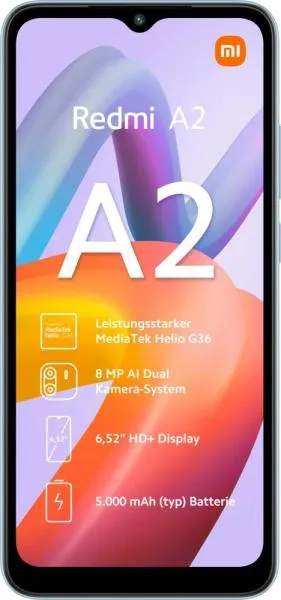
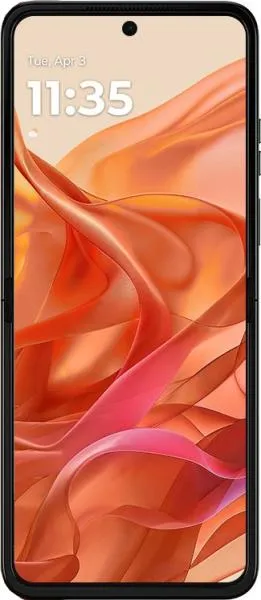
| Feature | Xiaomi Redmi A2+ | Motorola Razr 50 | Practical Impact |
|---|---|---|---|
| Design | |||
| Dimensions (mm) | 164.9 x 76.8 x 9.1 | 171.3 x 74 x 7.3 | Razr 50 is significantly thinner and slightly narrower but taller due to its foldable design. A2+ is larger overall. |
| Weight (g) | 192 | 188.4 | Negligible weight difference; both feel light in hand. |
| Foldable | No | Yes | Razr 50 offers greater portability when folded but introduces potential durability concerns and a crease on the main screen. |
| Build Material | Not specified | Not specified | Material choice impacts durability and premium feel; information lacking for both. |
| Display | |||
| Display Type | IPS LCD | Foldable LTPO AMOLED | Razr 50's AMOLED offers significantly better contrast, colors, and power efficiency. LTPO allows for variable refresh rate, optimizing battery life. |
| Display Size (inches) | 6.52 | 6.9 | Razr 50 offers a larger display area for media consumption. |
| Resolution | 720 x 1600 | 1080 x 2640 | Razr 50 has a much sharper and more detailed display. |
| Refresh Rate (Hz) | Not specified | 120 | Razr 50's 120Hz refresh rate delivers a smoother and more responsive user experience. |
| Peak Brightness (nits) | 400 (typ) | 3000 (peak) | Razr 50 is vastly brighter, ensuring excellent outdoor visibility. |
| Performance | |||
| Chipset | Mediatek Helio G36 (12 nm) | Mediatek Dimensity 7300X (4 nm) | Razr 50's Dimensity 7300X offers vastly superior performance and efficiency due to its advanced manufacturing process and architecture. |
| CPU | Octa-core (4x2.2 GHz Cortex-A53 & 4x1.7 GHz Cortex-A53) | Octa-core (4x2.5 GHz Cortex-A78 & 4x2.0 GHz Cortex-A55) | Razr 50's CPU features more powerful cores, leading to significantly faster processing speeds for demanding tasks and multitasking. |
| GPU | PowerVR GE8320 | Mali-G615 MC2 | Razr 50's GPU provides much better gaming and graphics performance. |
| RAM | 2GB/3GB | 8GB/12GB | Razr 50 offers significantly more RAM, enabling smoother multitasking and better performance with demanding applications. |
| Camera | |||
| Main Camera | 8MP | 50MP | Razr 50 boasts a much higher resolution main camera, potentially capturing more detail and offering greater flexibility for cropping. |
| Selfie Camera | 5MP | 32MP | Razr 50's higher resolution selfie camera likely produces better quality self-portraits. |
| Video Recording | 1080p@30fps | 4K@30fps | Razr 50 can record video at a much higher resolution. |
| Battery | |||
| Capacity (mAh) | 5000 | 4200 | A2+ has a larger battery capacity, potentially offering longer battery life despite its less efficient display. |
| Charging Speed | 10W | 30W | Razr 50 supports much faster charging. |
2. Key Differences Analysis
Xiaomi Redmi A2+ Advantages:
- Lower Price: Significantly more affordable.
- Larger Battery: Potentially longer battery life.
Motorola Razr 50 Advantages:
- Significantly More Powerful: Much faster performance for demanding tasks and gaming.
- Higher Quality Display: Foldable AMOLED with higher resolution, refresh rate, and brightness.
- Better Cameras: Higher resolution sensors for photos and videos.
- Faster Charging: 30W fast charging.
- More Modern Features: NFC, 5G connectivity, newer Bluetooth version.
3. User Profiles & Recommendations
Xiaomi Redmi A2+: Budget-conscious users who prioritize basic communication and light usage. Best for:
- Calling and texting
- Simple web browsing
- Casual social media use
Motorola Razr 50: Users who value performance, a premium display, and modern features, willing to pay a premium for a foldable design. Best for:
- Demanding applications and multitasking
- Mobile gaming
- Media consumption (videos, photos)
- Users who prioritize portability and a unique form factor
4. Decision Framework
Key Questions for Buyers:
- What is your budget? The A2+ is a budget phone, while the Razr 50 is a mid-range to high-end device.
- What are your primary smartphone usage patterns? Basic communication vs. demanding tasks and entertainment.
- How important is portability and a unique design? The Razr 50's foldable design offers portability but at a higher cost and potential durability concerns.
My Choice: Motorola Razr 50
While the Xiaomi Redmi A2+ offers impressive battery life and an incredibly low price, the Motorola Razr 50 is the superior device overall. Its significantly faster performance, stunning display, better cameras, faster charging, and modern features like 5G and NFC make it a much more compelling option. The foldable design, while adding to the cost, offers a unique form factor and enhanced portability that appeals to me. I am willing to compromise slightly on battery capacity for the significant gains in other areas. The price difference is substantial, but the Razr 50 provides a vastly improved user experience that justifies the premium for my needs.
