1. Specifications Comparison
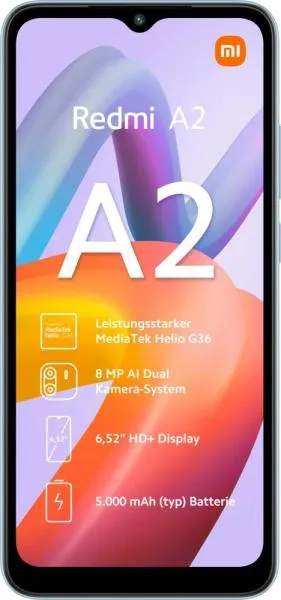
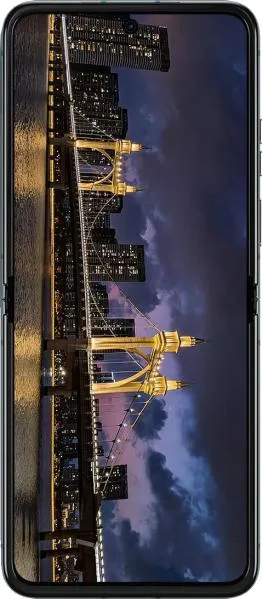
| Feature | Xiaomi Redmi A2+ | Motorola Razr 40 Ultra | Practical Impact |
|---|---|---|---|
| Design | |||
| Dimensions (mm) | 164.9 x 76.8 x 9.1 | 170.8 x 74 x 7 | Razr 40 Ultra significantly thinner and slightly narrower, but taller. A2+ is thicker and heavier. Razr's foldability offers portability advantage. |
| Weight (g) | 192 | 184.5 | Razr 40 Ultra is slightly lighter despite its complex folding mechanism. |
| Foldable | No | Yes | Razr's foldable design allows for a larger screen in a pocketable form factor, while the A2+ offers a traditional candy bar design. |
| Display | |||
| Display Type | IPS LCD | Foldable LTPO AMOLED | Razr boasts superior contrast, vibrant colors, and potentially better battery efficiency due to LTPO. A2+ has a standard LCD with less impressive visuals. |
| Display Size (inches) | 6.52 | 6.9 | Razr offers a larger screen for media consumption and multitasking. |
| Resolution | 720 x 1600 | 1080 x 2640 | Razr has a much sharper display with higher pixel density, resulting in significantly clearer text and images. |
| Refresh Rate (Hz) | Not specified | 165 | Razr's high refresh rate provides smoother animations and scrolling compared to the A2+'s unspecified rate (likely 60Hz). |
| Peak Brightness (nits) | 400 (typical) | 1400 | Razr's screen is significantly brighter, making it easily visible outdoors. |
| Performance | |||
| Chipset | Mediatek Helio G36 (12 nm) | Qualcomm Snapdragon 8+ Gen 1 (4 nm) | Razr 40 Ultra dramatically outperforms the A2+ in processing power, enabling seamless multitasking, demanding gaming, and faster app loading. |
| CPU | Octa-core (4x2.2 GHz Cortex-A53 & 4x1.7 GHz Cortex-A53) | Octa-core (1x3.19 GHz Cortex-X2 & 3x2.75 GHz Cortex-A710 & 4x1.80 GHz Cortex-A510) | Razr has a significantly more powerful and modern CPU architecture. |
| GPU | PowerVR GE8320 | Adreno 730 | Razr offers a vastly superior GPU for high-end gaming and graphics-intensive tasks. |
| RAM | 2GB/3GB | 8GB/12GB | Razr has substantially more RAM, enabling smoother multitasking and preventing apps from closing in the background. |
| Camera | |||
| Rear Camera | 8MP main, 0.3MP unspecified | 12MP main, 13MP ultrawide | Razr has higher resolution sensors and an ultrawide lens, offering more versatile photography options and likely better image quality. |
| Front Camera | 5MP | 32MP | Razr boasts a much higher resolution front camera for superior selfies and video calls. |
| Video Recording | 1080p@30fps | Up to 4K@60fps | Razr supports higher resolution and frame rate video recording. |
| Battery | |||
| Capacity (mAh) | 5000 | 3800 | A2+ has a larger battery capacity, potentially offering longer battery life despite its less efficient display. Razr's smaller battery is impacted by the power-hungry folding display. |
| Fast Charging | 10W | 30W | Razr supports significantly faster charging. |
2. Key Differences Analysis
Xiaomi Redmi A2+ Advantages:
- Lower Price: Significantly more affordable.
- Larger Battery: Potentially longer battery life for basic usage.
Motorola Razr 40 Ultra Advantages:
- Significantly More Powerful: Superior performance in all aspects.
- Higher Quality Display: Foldable AMOLED with higher resolution, refresh rate, and brightness.
- More Versatile Camera System: Higher resolution sensors, ultrawide lens.
- Faster Charging: 30W fast charging for quicker top-ups.
- Premium Design: Sleek, foldable design.
- More Modern Features: NFC, 5G connectivity.
3. User Profiles & Recommendations
Xiaomi Redmi A2+: Budget-conscious users who prioritize basic communication (calls, texts, browsing) and long battery life. Ideal for:
- Basic phone users: Individuals who need a simple, affordable device.
- Students: Budget-friendly option for light academic use.
- Elderly users: Simple interface and long battery life.
Motorola Razr 40 Ultra: Users who value cutting-edge technology, premium design, and top-tier performance. Ideal for:
- Power users: Individuals who demand high performance for multitasking, gaming, and demanding applications.
- Content creators: High-quality camera and large display for content creation.
- Tech enthusiasts: Users who want the latest and greatest technology.
4. Decision Framework
Key Questions:
- What is your budget? The A2+ is a budget phone, while the Razr 40 Ultra is a premium device.
- What are your primary use cases? Basic communication vs. demanding tasks and content creation.
- Do you prioritize portability and innovative design? The Razr's foldable design addresses this, while the A2+ is a traditional form factor.
My Choice: Motorola Razr 40 Ultra
While the Xiaomi Redmi A2+ offers incredible value for its price, I would choose the Motorola Razr 40 Ultra. The significantly improved performance, superior display quality, more versatile camera system, and the innovative foldable design outweigh the higher price and smaller battery for my needs. I prioritize a smooth user experience, high-quality media consumption, and having the latest technology. The Razr 40 Ultra delivers on all these fronts, even though battery life might be a slight concern. The A2+ is a great budget option, but the Razr 40 Ultra is a truly compelling device that offers a significant leap in user experience.
