1. Specifications Comparison
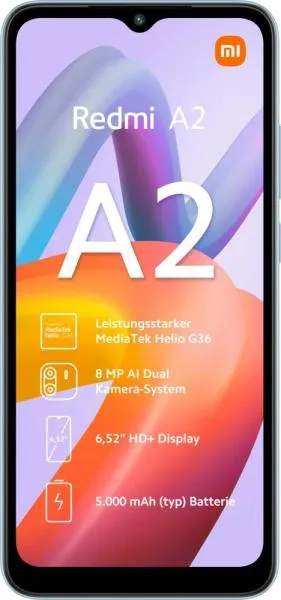
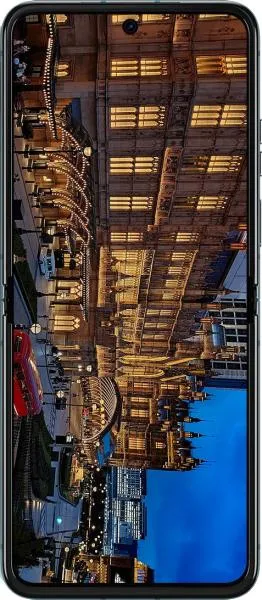
| Feature | Xiaomi Redmi A2+ | Motorola Razr 40 | Practical Impact |
|---|---|---|---|
| Design | |||
| Dimensions (mm) | 164.9 x 76.8 x 9.1 | 170.8 x 74 x 7.4 | Razr 40 is significantly thinner and slightly narrower, but taller due to its foldable design. A2+ is thicker and wider, feeling bulkier in hand. |
| Weight (g) | 192 | 188.6 | Negligible weight difference; both are relatively light. |
| Foldable | No | Yes | Razr 40 offers a compact folded size for portability, expanding to a larger screen when needed. A2+ is a traditional slab phone. |
| Build Material | Not specified | Not specified | Cannot compare build quality and durability without material information. |
| Display | |||
| Display Type | IPS LCD | Foldable LTPO AMOLED | Razr 40's AMOLED offers superior contrast, deeper blacks, and potentially better power efficiency due to LTPO. A2+'s LCD is less vibrant. |
| Size (inches) | 6.52 | 6.9 | Razr 40 has a larger main display. |
| Resolution | 720 x 1600 | 1080 x 2640 | Razr 40 boasts significantly sharper visuals due to higher resolution. |
| Refresh Rate | Not specified | 144Hz | Razr 40's 144Hz refresh rate provides smoother animations and scrolling compared to the A2+'s unspecified rate (likely 60Hz). |
| Peak Brightness | 400 nits (typ) | 1400 nits (peak) | Razr 40 is far more readable in direct sunlight. |
| Performance | |||
| Chipset | Mediatek Helio G36 (12 nm) | Qualcomm Snapdragon 7 Gen 1 (4 nm) | Razr 40's Snapdragon 7 Gen 1 provides significantly better performance, efficiency, and graphics capabilities compared to the A2+'s Helio G36. |
| CPU | Octa-core (4x2.2 GHz Cortex-A53 & 4x1.7 GHz Cortex-A53) | Octa-core (1x2.4 GHz Cortex-A710 & 3x2.36 GHz Cortex-A710 & 4x1.8 GHz Cortex-A510) | Razr 40 has a more powerful and modern CPU architecture, resulting in much faster processing speeds. |
| RAM | 2GB/3GB | 8GB | Razr 40 offers substantially more RAM, enabling smoother multitasking and better performance with demanding apps. |
| Camera | |||
| Main Camera | 8MP | 64MP | Razr 40's 64MP main camera likely captures significantly more detail and offers better low-light performance. |
| Video Recording | 1080p@30fps | 4K@30fps | Razr 40 can record video at much higher resolution. |
| Battery | |||
| Capacity | 5000 mAh | 4200 mAh | A2+ has a larger battery capacity, potentially offering longer battery life. However, real-world usage depends on various factors, including display and processor efficiency. |
| Fast Charging | 10W | 33W | Razr 40 charges significantly faster. |
2. Key Differences Analysis
Xiaomi Redmi A2+ Advantages:
- Lower Price: Significantly more affordable.
- Larger Battery: Potentially longer battery life.
Motorola Razr 40 Advantages:
- Significantly More Powerful: Superior performance in all aspects due to a much better processor, more RAM, and a faster GPU.
- Higher Quality Display: Foldable AMOLED with higher resolution, refresh rate, and brightness.
- Foldable Design: Offers portability and a larger screen when unfolded.
- Faster Charging: 33W fast charging significantly reduces charging time.
- Better Camera: Higher resolution main camera and 4K video recording.
- More Modern Features: NFC, 5G connectivity, newer Bluetooth version.
Trade-offs:
- Razr 40: Higher price for advanced features and foldable design. Smaller battery capacity might result in shorter battery life compared to the A2+. Foldable displays can be more fragile.
- A2+: Compromises on performance, display quality, camera capabilities, and features for affordability.
3. User Profiles & Recommendations
Xiaomi Redmi A2+: Budget-conscious users who prioritize basic communication (calls, texts, browsing) and simple tasks. Ideal for users who don't play demanding games or require high-performance capabilities. Good for users who prioritize battery life above all else.
Motorola Razr 40: Users who value a premium, compact, and stylish device. Ideal for those who want a powerful phone with a high-quality display, good camera, and the latest features. Suitable for users who appreciate the portability of a foldable phone.
4. Decision Framework
Key Questions for Buyers:
- What is your budget? The A2+ is a budget phone, while the Razr 40 is a mid-range device.
- What are your primary phone usage needs? Basic communication vs. demanding tasks, gaming, media consumption.
- Do you prioritize portability and a unique design? The Razr 40's foldable design offers a compact form factor.
My Choice: Motorola Razr 40
While the Redmi A2+ offers excellent value for its low price, the Motorola Razr 40 is the superior device overall. Its significantly faster processor, better display, more versatile camera, faster charging, and modern features like 5G and NFC justify the higher price for me. The foldable design is a compelling bonus, offering both portability and a large screen when needed. Although the battery is smaller, the more efficient processor and LTPO display could potentially offset this difference in real-world usage. The overall user experience on the Razr 40 would be significantly better, making it a worthwhile investment in the long run. I value performance, a good display, and modern features, and the Razr 40 delivers on all fronts.
