1. Specifications Comparison
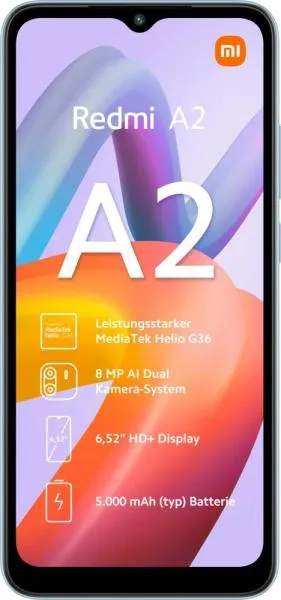
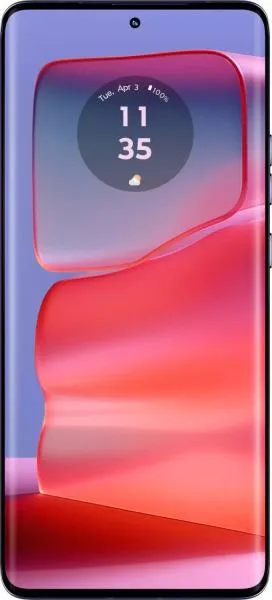
| Feature | Xiaomi Redmi A2+ | Motorola Edge 50 Pro | Practical Impact |
|---|---|---|---|
| Design | |||
| Dimensions (mm) | 164.9 x 76.8 x 9.1 | 161.2 x 72.4 x 8.2 | Edge 50 Pro is slightly smaller and thinner. |
| Weight (g) | 192 | 186 | Negligible weight difference in real-world usage. |
| Build | Unspecified | Unspecified | Material differences unknown, impacting durability and premium feel. |
| Display | |||
| Display Type | IPS LCD | P-OLED | Edge 50 Pro offers deeper blacks, vibrant colors, and better power efficiency. |
| Display Size (inches) | 6.52 | 6.7 | Edge 50 Pro has a slightly larger screen. |
| Resolution | 720 x 1600 | 1220 x 2712 | Edge 50 Pro provides significantly sharper visuals. |
| Refresh Rate | Unspecified | 144Hz | Edge 50 Pro will have smoother animations and scrolling. |
| Peak Brightness | 400 nits (typ) | 2000 nits (peak) | Edge 50 Pro will be much more visible in sunlight. |
| Performance | |||
| Chipset | Mediatek Helio G36 (12 nm) | Qualcomm Snapdragon 7 Gen 3 (4 nm) | Edge 50 Pro offers significantly faster processing and better power efficiency. |
| CPU | Octa-core (4x2.2 GHz Cortex-A53 & 4x1.7 GHz Cortex-A53) | Octa-core (1x2.63 GHz Cortex-A715 & 4x2.4 GHz Cortex-A715 & 3x1.8 GHz Cortex-A510) | Edge 50 Pro has a more powerful and modern CPU architecture. |
| RAM | 2GB/3GB | 12GB | Edge 50 Pro offers vastly superior multitasking and app loading speed. |
| Storage | 32GB/64GB | 256GB/512GB | Edge 50 Pro has much more storage for apps, photos, and videos. |
| Camera | |||
| Rear Camera | 8MP Main, 0.3MP unspecified | 50MP Main, 13MP Wide, 10MP Telephoto | Edge 50 Pro offers vastly superior image quality, versatility with multiple lenses, and optical zoom. |
| Front Camera | 5MP | 50MP | Edge 50 Pro provides much higher resolution selfies. |
| Video Recording | 1080p@30fps | Up to 4K@30fps with HDR, EIS | Edge 50 Pro offers higher resolution and better stabilized video recording. |
| Battery | |||
| Capacity | 5000 mAh | 4500 mAh | Redmi A2+ has slightly larger battery capacity, but real-world battery life depends on other factors including display and processor efficiency. |
| Fast Charging | 10W | 125W | Edge 50 Pro charges significantly faster. |
2. Key Differences Analysis
Redmi A2+ Advantages:
- Lower Price: Significantly more affordable.
- Potentially Longer Battery Life: Larger battery capacity, although real-world usage may vary.
Edge 50 Pro Advantages:
- Superior Performance: Much faster processor, more RAM, ample storage.
- High-Quality Display: OLED technology with higher resolution, refresh rate, and brightness.
- Versatile Camera System: Multiple lenses, higher resolution, optical zoom, and advanced features.
- Faster Charging: Significantly reduced charging times.
- More Modern Features: NFC, USB Type-C 3.1 with DisplayPort, latest Android version with longer support.
3. User Profiles & Recommendations
Redmi A2+: Budget-conscious users who prioritize basic communication and light usage (calls, texts, browsing).
Edge 50 Pro: Users who demand high performance, a premium display, excellent camera capabilities, and the latest features. Suitable for gaming, content creation, and demanding multitasking.
4. Decision Framework
Key Questions for Buyers:
- What is your budget? The Redmi A2+ is a budget option, while the Edge 50 Pro is a mid-range device.
- What are your primary use cases? Basic communication vs. demanding tasks like gaming and content creation.
- Which features are most important to you? Battery life, camera quality, performance, display quality.
My Choice: Motorola Edge 50 Pro
While the Redmi A2+ offers an incredibly low price point, the Motorola Edge 50 Pro provides a significantly superior user experience in almost every aspect. The performance difference between the Helio G36 and the Snapdragon 7 Gen 3 is vast, impacting everyday tasks, multitasking, and future-proofing. The OLED display with a high refresh rate and the versatile camera system further solidify the Edge 50 Pro's advantage. Even though the battery capacity is slightly smaller, the vastly more efficient chip and display on the Edge 50 Pro are likely to result in comparable or even better battery life in real-world scenarios. The significantly faster charging is a huge bonus. For a mid-range device, the Edge 50 Pro offers a compelling package that justifies the higher price. The Redmi A2+ only makes sense for extremely budget-constrained users who prioritize basic functionality above all else.
