1. Specifications Comparison
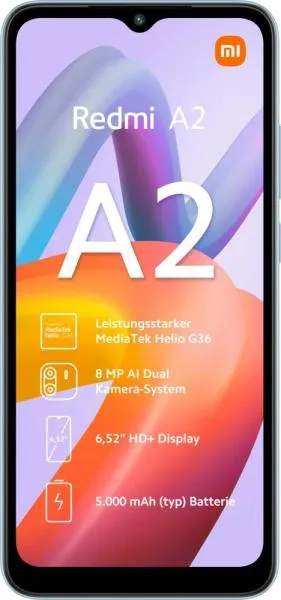
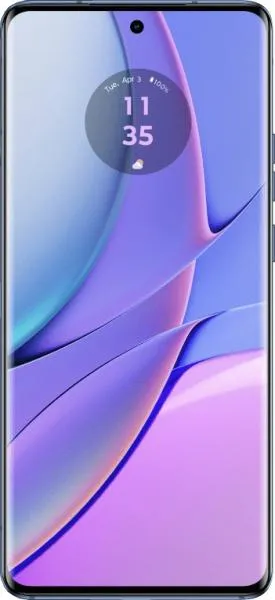
| Feature | Xiaomi Redmi A2+ | Motorola Edge 40 | Practical Impact |
|---|---|---|---|
| Design | |||
| Dimensions (mm) | 164.9 x 76.8 x 9.1 | 158.4 x 72 x 7.6 | Edge 40 is significantly thinner and slightly smaller overall, making it more pocketable and comfortable to hold. |
| Weight (g) | 192 | 167 | The Edge 40 feels noticeably lighter in hand, reducing fatigue during extended use. |
| Build Material | Unspecified | Unspecified | Material impacts durability and premium feel. Lack of information limits comparison. |
| Display | |||
| Display Type | IPS LCD | P-OLED | OLED offers deeper blacks, richer colors, and potentially better power efficiency. |
| Display Size (inches) | 6.52 | 6.55 | Negligible size difference. |
| Resolution | 720 x 1600 | 1080 x 2400 | Edge 40 has a much sharper display, resulting in clearer text and images. |
| Refresh Rate | Unspecified | 144Hz | Higher refresh rate on the Edge 40 provides a smoother, more responsive user experience, particularly noticeable in gaming and scrolling. |
| Peak Brightness | 400 nits (typ) | 1200 nits (peak) | Edge 40 is significantly brighter, ensuring better visibility outdoors. |
| Performance | |||
| Chipset | Mediatek Helio G36 (12 nm) | Mediatek Dimensity 8020 (6 nm) | Dimensity 8020 is a significantly more powerful chipset, enabling smoother multitasking, faster app loading, and better gaming performance. |
| CPU | Octa-core (4x2.2 GHz Cortex-A53 & 4x1.7 GHz Cortex-A53) | Octa-core (4x2.6 GHz Cortex-A78 & 4x2.0 GHz Cortex-A55) | Edge 40 has a more modern and powerful CPU architecture. |
| RAM | 2/3 GB | 8 GB | More RAM on the Edge 40 allows for seamless multitasking and keeps more apps open in the background. |
| Storage | 32/64 GB | 256 GB | Significantly more storage on the Edge 40 for apps, photos, and videos. |
| Camera | |||
| Rear Camera | 8MP main, 0.3MP secondary | 50MP main (OIS), 13MP ultrawide | Edge 40 boasts a vastly superior camera system with higher resolution, OIS for stable video, and an ultrawide lens for versatile shots. |
| Front Camera | 5MP | 32MP | Edge 40 offers much higher resolution for selfies. |
| Video Recording | 1080p@30fps | Up to 4K@30fps with HDR, EIS, 720@960fps slow-mo | Edge 40 provides significantly better video quality and features. |
| Battery | |||
| Capacity | 5000 mAh | 4400 mAh | Redmi A2+ has a larger battery capacity, potentially offering longer battery life. |
| Fast Charging | 10W | 68W | Edge 40 supports significantly faster charging, minimizing downtime. |
2. Key Differences Analysis
Xiaomi Redmi A2+ Advantages:
- Potentially longer battery life: Larger battery capacity might translate to longer usage between charges.
- Lower price: Significantly more affordable.
Motorola Edge 40 Advantages:
- Superior performance: Significantly faster processor, more RAM, and more storage.
- Higher quality display: Sharper, brighter, smoother, and uses OLED technology.
- Much better camera system: Higher resolution sensors, OIS, ultrawide lens, and superior video recording capabilities.
- Faster charging: Significantly reduced charging time.
- More premium design: Thinner and lighter build.
- More up-to-date software: Ships with Android 13 with guaranteed updates to 15.
3. User Profiles & Recommendations
Xiaomi Redmi A2+: Budget-conscious users who prioritize basic functionality: calling, texting, web browsing, and light social media usage.
Motorola Edge 40: Users who value performance, a high-quality display, a good camera, and fast charging. Ideal for gaming, content consumption, photography, and demanding tasks.
4. Decision Framework
Key Questions:
- What is your budget? The Redmi A2+ is significantly cheaper.
- What are your primary smartphone usage patterns? Basic tasks vs. demanding apps and multimedia consumption.
- How important are camera quality and performance? The Edge 40 excels in these areas.
My Choice: Motorola Edge 40
While the Redmi A2+ offers excellent value for its price, the Motorola Edge 40 is the clear winner for me. The significantly improved performance, display quality, camera system, and faster charging outweigh the larger battery and lower price of the Redmi A2+. The Edge 40 provides a more enjoyable and versatile user experience for a broader range of tasks. Even with the price difference, the long-term benefits of the Edge 40's superior hardware and software make it a worthwhile investment. I prioritize a smooth and responsive user experience, a great camera, and a beautiful display, all of which the Edge 40 delivers. The Redmi A2+'s lower price makes it tempting for budget users, but the compromises in performance and features would be too significant for my personal needs.
