1. Specifications Comparison
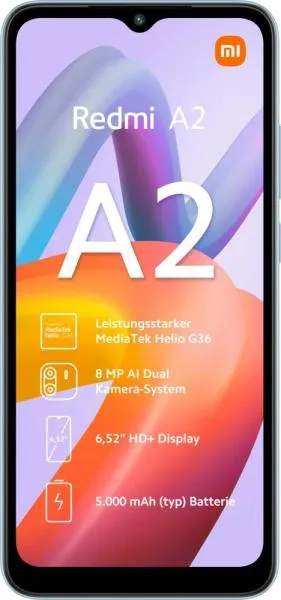
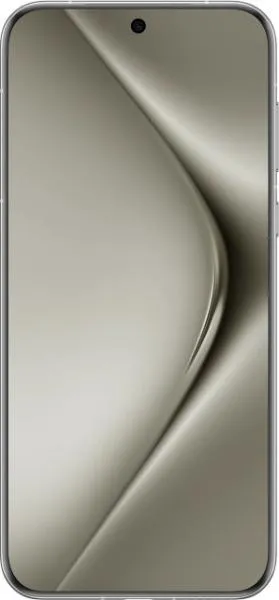
| Feature | Xiaomi Redmi A2+ | Huawei Pura 70 Pro | Practical Impact |
|---|---|---|---|
| Design | |||
| Dimensions (mm) | 164.9 x 76.8 x 9.1 | 162.6 x 75.1 x 8.4 | Pura 70 Pro is slightly smaller and thinner. |
| Weight (g) | 192 | 220 | Redmi A2+ is noticeably lighter. |
| Build Materials | Unspecified | Unspecified | Build quality and durability cannot be compared without further information. |
| Display | |||
| Display Type | IPS LCD | LTPO OLED | Pura 70 Pro offers superior contrast, deeper blacks, and potentially better power efficiency due to LTPO. |
| Display Size (inches) | 6.52 | 6.8 | Pura 70 Pro has a larger screen, providing more immersive content consumption. |
| Resolution | 720 x 1600 | 1260 x 2844 | Pura 70 Pro has a significantly sharper display with much higher pixel density. |
| Refresh Rate | Unspecified | 120Hz | Pura 70 Pro's 120Hz refresh rate delivers smoother animations and scrolling. |
| Peak Brightness | 400 nits (typ) | 2500 nits (peak) | Pura 70 Pro will be significantly more visible in direct sunlight. |
| Performance | |||
| Chipset | Mediatek Helio G36 (12 nm) | Kirin 9010 (7 nm) | Pura 70 Pro boasts a significantly more powerful processor, leading to much faster performance in demanding tasks and games. |
| CPU | Octa-core (4x2.2 GHz Cortex-A53 & 4x1.7 GHz Cortex-A53) | Octa-core (1x2.3 GHz Taishan Big & 3x2.18 GHz Taishan Mid & 4x1.55 GHz Cortex-A510) | Pura 70 Pro's CPU architecture is more modern and powerful. |
| GPU | PowerVR GE8320 | Maleoon 910 | Pura 70 Pro will have significantly better graphics performance. |
| RAM | 2GB/3GB | 12GB | Pura 70 Pro offers vastly more RAM, enabling smoother multitasking and better handling of demanding applications. |
| Storage | 32GB/64GB | 512GB/1TB | Pura 70 Pro offers much more storage space for apps, photos, and videos. |
| Camera | |||
| Rear Camera | 8MP Main, 0.3MP Auxiliary | 50MP Main, 12.5MP Wide, 48MP Telephoto | Pura 70 Pro offers a significantly more versatile and higher resolution camera system with optical zoom. |
| Front Camera | 5MP | 13MP | Pura 70 Pro's front camera boasts higher resolution. |
| Video Recording | 1080p@30fps | Unspecified | Video recording capabilities of the Pura 70 Pro are unclear but likely superior given its overall specs. |
| Battery | |||
| Capacity | 5000 mAh | 5050 mAh | Negligible difference in battery capacity. |
| Fast Charging | 10W | 100W + 80W Wireless | Pura 70 Pro charges significantly faster and supports fast wireless charging. |
2. Key Differences Analysis
Xiaomi Redmi A2+ Advantages:
- Lighter and potentially more affordable: Offers a more comfortable in-hand feel and significantly lower price.
Huawei Pura 70 Pro Advantages:
- Significantly more powerful: Superior performance in all aspects due to a much more advanced chipset, GPU, and ample RAM.
- Superior display: Higher resolution, refresh rate, and OLED technology provide a vastly improved visual experience.
- More versatile camera system: Higher resolution sensors, optical zoom, and potentially better video recording capabilities.
- Faster charging: Significantly faster wired and wireless charging drastically reduces downtime.
- More Storage: Substantially more storage for applications, media, and files.
3. User Profiles & Recommendations
Xiaomi Redmi A2+: Budget-conscious users who prioritize basic communication and light tasks (browsing, social media). Ideal for users who primarily need a simple, affordable phone.
Huawei Pura 70 Pro: Users who demand top-tier performance, a premium display, excellent camera capabilities, and fast charging. Suitable for demanding users, mobile gamers, content creators, and professionals.
4. Decision Framework
Key Questions for Buyers:
- What is your budget? The Redmi A2+ is a budget phone, while the Pura 70 Pro is a premium device.
- What are your primary phone usage patterns? Basic tasks vs. demanding applications, gaming, and content creation.
- Which features are most important to you? Display quality, camera capabilities, performance, battery life, or price.
Scenario-Based Recommendations:
- Limited Budget, Basic Usage: Redmi A2+
- Demanding User, Premium Experience: Pura 70 Pro
- Balance of Performance and Price: Consider other mid-range options not listed here.
My Choice: Huawei Pura 70 Pro
While the Redmi A2+ serves its purpose as a budget device, the Huawei Pura 70 Pro is the clear winner for me. Its superior performance, stunning display, versatile camera system, and fast charging outweigh the higher price and slightly heavier weight. The significantly improved user experience across various tasks, from gaming to content consumption, justifies the premium. The large storage also provides ample space for my needs. While price is a factor, the long-term value and enjoyment derived from a high-performing device make the Pura 70 Pro the better choice for my usage patterns.
