1. Specifications Comparison
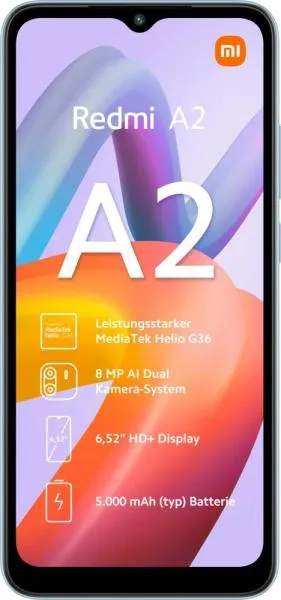
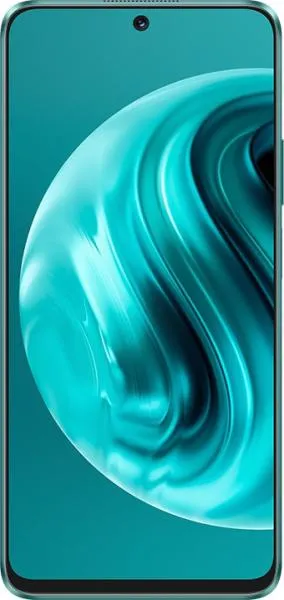
| Feature | Xiaomi Redmi A2+ | Huawei nova 12i | Practical Impact |
|---|---|---|---|
| Design | |||
| Dimensions (mm) | 164.9 x 76.8 x 9.1 | 163.3 x 74.7 x 8.4 | Nova 12i is slightly smaller and thinner. |
| Weight (g) | 192 | 199 | Negligible weight difference in practical use. |
| Build Materials | Not specified | Not specified | Cannot compare build quality and durability. |
| Display | |||
| Size (inches) | 6.52 | 6.7 | Nova 12i offers a slightly larger screen for media consumption. |
| Resolution | 720 x 1600 | 1080 x 2388 | Nova 12i has a significantly sharper and more detailed display. |
| Display Type | IPS LCD | IPS LCD | Both use IPS LCD, but Nova 12i's higher resolution and 90Hz refresh rate will result in a smoother, more visually appealing experience. |
| Refresh Rate | Not specified | 90Hz | Nova 12i's 90Hz refresh rate provides smoother scrolling and animations. |
| Performance | |||
| Chipset | Mediatek Helio G36 (12 nm) | Qualcomm Snapdragon 680 4G (6 nm) | Snapdragon 680 is more power-efficient and generally offers better performance than the Helio G36. |
| CPU | Octa-core (4x2.2 GHz Cortex-A53 & 4x1.7 GHz Cortex-A53) | Octa-core (4x2.4 GHz Cortex-A73 & 4x1.9 GHz Cortex-A53) | Nova 12i has a more powerful CPU architecture, leading to faster app loading and multitasking. |
| GPU | PowerVR GE8320 | Adreno 610 | Adreno 610 offers better graphics performance for gaming and demanding applications. |
| RAM | 2GB/3GB | 8GB | Significantly more RAM in Nova 12i allows for smoother multitasking and handling more demanding apps without slowdown. |
| Storage | 32GB/64GB | 256GB | Nova 12i provides much more storage for apps, photos, and videos. |
| Camera | |||
| Rear Camera | 8MP + 0.3MP | 108MP + 2MP | Nova 12i boasts a much higher resolution main sensor, potentially capturing more detailed photos. |
| Front Camera | 5MP | 8MP | Nova 12i has a higher resolution selfie camera. |
| Video Recording | 1080p@30fps | 1080p@30fps | Both offer similar video recording capabilities. |
| Battery | |||
| Capacity | 5000 mAh | 5000 mAh | Similar battery capacity. |
| Fast Charging | 10W | 40W | Nova 12i supports significantly faster charging. |
2. Key Differences Analysis
Xiaomi Redmi A2+ Advantages:
- Lower Price: Significantly more affordable.
Huawei nova 12i Advantages:
- Superior Performance: Faster processor, more RAM, and larger storage.
- Better Display: Higher resolution, higher refresh rate leading to a smoother and sharper visual experience.
- Improved Camera: Higher resolution main camera sensor.
- Faster Charging: 40W fast charging vs. 10W.
- NFC: Supports contactless payments and data transfer.
- USB Type-C: More modern and versatile connector.
Trade-offs:
- The Redmi A2+ sacrifices performance, features, and build quality for affordability.
- The Nova 12i requires a higher investment for its superior features.
3. User Profiles & Recommendations
Xiaomi Redmi A2+:
- Ideal User: Budget-conscious users who prioritize basic communication (calls, texts, browsing) and light app usage. Suitable for first-time smartphone users or as a secondary device.
- Use Cases: Basic communication, social media browsing, light web browsing.
Huawei nova 12i:
- Ideal User: Users who value performance, a good display, a decent camera, and faster charging. Suitable for gaming, media consumption, multitasking, and photography enthusiasts.
- Use Cases: Mobile gaming, media consumption (videos, photos), multitasking, photography, social media.
4. Decision Framework
Key Questions:
- What is your budget? The Redmi A2+ is significantly cheaper.
- What are your primary smartphone usage patterns? Basic communication vs. demanding apps and media consumption.
- Which features are most important to you? Performance, display quality, camera, battery life, charging speed.
Scenario-Based Recommendations:
- Limited Budget, Basic Needs: Redmi A2+
- Balanced Performance and Price: Consider other options in the mid-range segment.
- Performance and Feature Focused: Nova 12i
My Choice: Huawei nova 12i
While the Redmi A2+ offers an extremely budget-friendly option, the Huawei nova 12i provides significantly better value in the long run. The superior performance, vastly improved display (resolution and refresh rate), better camera, faster charging, NFC functionality, and USB Type-C make it a more versatile and enjoyable device to use daily. The price difference is justified by the substantial upgrade in features and overall user experience. The 8GB of RAM ensures smooth multitasking, and the 256GB storage provides ample space for apps and media. The Snapdragon 680 offers better performance and efficiency compared to the Helio G36. While I acknowledge the price difference, the Nova 12i is a more future-proof and satisfying device.
