1. Specifications Comparison
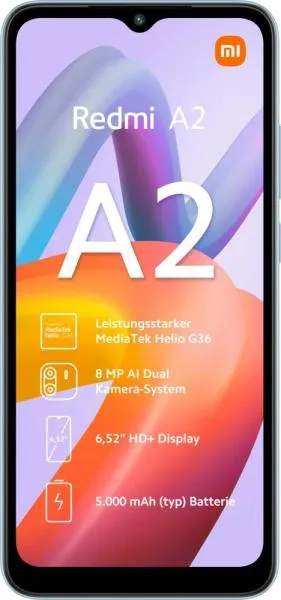
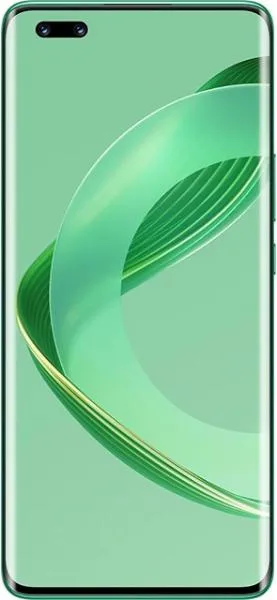
| Feature | Xiaomi Redmi A2+ | Huawei nova 11 Pro | Practical Impact |
|---|---|---|---|
| Design | |||
| Dimensions (mm) | 164.9 x 76.8 x 9.1 | 164.3 x 74.4 x 7.9 | Nova 11 Pro is slightly smaller and thinner. |
| Weight (g) | 192 | 188 | Negligible weight difference. |
| Build Materials | Not specified | Not specified | Cannot compare build quality and durability. |
| Display | |||
| Display Type | IPS LCD | OLED | Nova 11 Pro offers richer colors, deeper blacks, and better power efficiency. |
| Display Size (inches) | 6.52 | 6.78 | Nova 11 Pro has a larger screen, better for media consumption. |
| Resolution | 720 x 1600 | 1200 x 2652 | Significantly sharper and more detailed visuals on the Nova 11 Pro. |
| Refresh Rate | Not specified | 120Hz | Nova 11 Pro provides smoother scrolling and animations. |
| Performance | |||
| Chipset | Mediatek Helio G36 (12 nm) | Qualcomm Snapdragon 778G 4G (6 nm) | Nova 11 Pro offers significantly better performance in demanding tasks and gaming. |
| CPU | Octa-core (4x2.2 GHz Cortex-A53 & 4x1.7 GHz Cortex-A53) | Octa-core (4x2.4 GHz Kryo 670 & 4x1.8 GHz Kryo 670) | Nova 11 Pro has a more powerful and efficient CPU architecture. |
| GPU | PowerVR GE8320 | Adreno 642L | Nova 11 Pro offers much better graphics performance. |
| RAM | 2GB/3GB | 6GB/8GB/12GB | Nova 11 Pro has significantly more RAM, enabling smoother multitasking and better performance with demanding apps. |
| Camera | |||
| Rear Camera | 8MP main, 0.3MP secondary | 50MP main, 8MP wide-angle | Nova 11 Pro has a significantly higher resolution main camera and a dedicated wide-angle lens. |
| Front Camera | 5MP | 60MP main, 8MP depth | Nova 11 Pro has a much higher resolution front camera system for better selfies. |
| Video Recording | 1080p@30fps | 720p@960fps (slow-mo), 4K (resolution not specified) | Nova 11 Pro allows for super slow-motion video recording and likely higher resolution standard video recording although specifics are missing. |
| Battery | |||
| Capacity | 5000 mAh | 4500 mAh | Redmi A2+ has a larger battery capacity, potentially longer battery life for basic usage. |
| Fast Charging | 10W | 100W | Nova 11 Pro offers significantly faster charging. |
2. Key Differences Analysis
Xiaomi Redmi A2+ Advantages:
- Lower Price: Significantly more affordable.
- Larger Battery: Potentially longer battery life for basic tasks.
Huawei nova 11 Pro Advantages:
- Superior Performance: Much faster processor, GPU, and more RAM.
- High-Quality Display: OLED screen with higher resolution and refresh rate.
- Better Cameras: Higher resolution sensors, wide-angle lens, and superior selfie camera.
- Faster Charging: Significantly faster charging speeds.
- Premium Features: NFC for contactless payments.
Trade-offs:
- Redmi A2+: Sacrifices performance, display quality, and camera features for affordability.
- Nova 11 Pro: Higher price for premium features and performance. Smaller battery capacity than Redmi A2+, though fast charging mitigates this.
3. User Profiles & Recommendations
Redmi A2+: Ideal for budget-conscious users who prioritize basic communication, simple tasks, and long battery life. Best for:
- Calling and texting
- Basic web browsing
- Casual social media use
Nova 11 Pro: Suitable for users who demand high performance, excellent camera quality, a vibrant display, and fast charging. Best for:
- Mobile gaming
- Photography and videography
- Demanding applications
- Media consumption
4. Decision Framework
Key Questions:
- What is your budget?
- What are your primary smartphone usage patterns?
- Which features are most important to you (e.g., performance, camera, battery life)?
Scenario-Based Recommendations:
- Limited Budget, Basic Use: Redmi A2+
- Balanced Budget, Moderate Use: Consider other mid-range options with better performance than the A2+ but lower cost than the Nova 11 Pro.
- Performance and Features Focused: Huawei nova 11 Pro
My Choice: Huawei nova 11 Pro
While the Redmi A2+ offers excellent value for its price, I would choose the Huawei nova 11 Pro. The significantly improved performance, superior display, versatile camera system, and incredibly fast charging outweigh the price difference and slightly smaller battery for my needs. I prioritize a smooth and responsive user experience, high-quality visuals, and good camera capabilities, all of which the Nova 11 Pro delivers. The 100W fast charging significantly mitigates any concerns about the smaller battery capacity compared to the Redmi A2+. While the lack of OS information for the Nova 11 Pro is a concern, the overall hardware package is compelling.
