1. Specifications Comparison
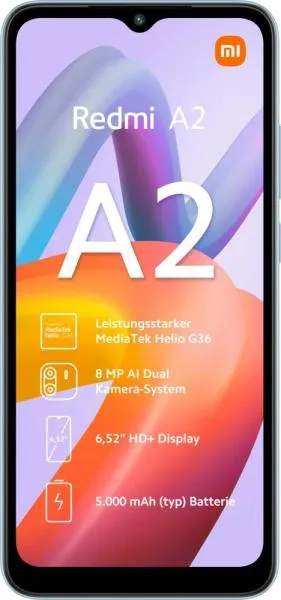
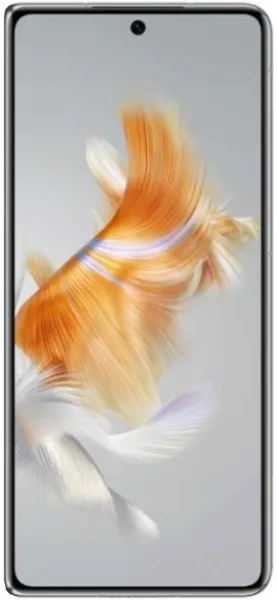
| Feature | Xiaomi Redmi A2+ | Huawei Mate X3 | Practical Impact |
|---|---|---|---|
| Design | |||
| Dimensions (mm) | 164.9 x 76.8 x 9.1 | 156.9 x 141.5 x 5.3 | Mate X3 significantly thinner and potentially more pocketable when folded, but wider unfolded. Redmi A2+ is a traditional candybar design. |
| Weight (g) | 192 | 239 | Redmi A2+ is noticeably lighter. |
| Foldable | No | Yes | Mate X3 offers a larger screen real estate and multitasking capabilities due to its foldable design. |
| Display | |||
| Display Type | IPS LCD | Foldable OLED | Mate X3 provides superior contrast, deeper blacks, and potentially better color accuracy. Redmi A2+ uses a standard LCD. |
| Display Size (inches) | 6.52 | 7.85 (unfolded) | Mate X3 offers a much larger display for media consumption and productivity. |
| Resolution | 720 x 1600 | 2224 x 2496 (unfolded) | Mate X3 has a significantly sharper display. |
| Refresh Rate | Not specified | 120Hz | Mate X3 will likely feel smoother and more responsive due to its higher refresh rate. Redmi A2+'s refresh rate is unknown but likely standard 60Hz. |
| Performance | |||
| Chipset | Mediatek Helio G36 (12 nm) | Qualcomm Snapdragon 8+ Gen 1 (4 nm) | Mate X3 offers vastly superior performance in demanding tasks, gaming, and multitasking. |
| CPU | Octa-core (4x2.2 GHz Cortex-A53 & 4x1.7 GHz Cortex-A53) | Octa-core (1x3.19 GHz Cortex-X2 & 3x2.75 GHz Cortex-A710 & 4x2.0 GHz Cortex-A510) | Mate X3 has a much more powerful and efficient CPU architecture. |
| RAM | 2GB/3GB | 8GB/12GB | Mate X3 offers significantly more RAM, enabling smoother multitasking and better performance with demanding apps. |
| Camera | |||
| Rear Camera | 8MP Main, 0.3MP unspecified | 50MP Main, 13MP Wide, 12MP Periscope Telephoto | Mate X3 offers a more versatile and higher resolution camera system with optical zoom capabilities. |
| Video Recording | 1080p@30fps | Up to 4K@60fps | Mate X3 supports higher resolution and frame rate video recording. |
| Battery | |||
| Capacity (mAh) | 5000 | 4800 | Comparable battery capacities, though real-world battery life will depend on usage and efficiency of each device. |
| Charging | 10W Fast Charging | 66W Wired, 50W Wireless | Mate X3 offers significantly faster wired and wireless charging. |
2. Key Differences Analysis
Xiaomi Redmi A2+ Advantages:
- Lower Price: Significantly more affordable.
- Lighter Weight: Easier to hold and carry for extended periods.
Huawei Mate X3 Advantages:
- Superior Performance: Significantly faster processor, more RAM, and higher refresh rate display.
- Foldable Design: Offers larger screen real estate and flexibility.
- Advanced Camera System: Higher resolution sensors, optical zoom, and better video recording capabilities.
- Faster Charging: Significantly faster wired and wireless charging speeds.
Trade-offs:
- Price: The Mate X3 is significantly more expensive.
- Weight and Size: The Mate X3 is heavier and larger when unfolded.
- Software: The specifications lack information about the Mate X3's OS, which is a crucial factor. Huawei devices often lack Google Mobile Services, which could be a significant drawback for some users.
3. User Profiles & Recommendations
Xiaomi Redmi A2+: Budget-conscious users who prioritize basic functionality: calling, texting, web browsing, and light social media usage. Ideal for users who need a reliable secondary phone or a simple device for less demanding tasks.
Huawei Mate X3: Users who demand top-tier performance, a large and innovative display, and advanced camera features. Ideal for power users, content creators, and those who value multitasking and a premium mobile experience. However, the lack of clarity regarding the OS and potential absence of Google Mobile Services is a major consideration.
4. Decision Framework
Key Questions for Buyers:
- What is your budget? The Redmi A2+ is a budget phone, while the Mate X3 is a premium flagship device.
- What are your primary use cases? Basic communication vs. demanding tasks, gaming, content creation.
- Do you value a foldable design and its associated benefits? Larger screen, multitasking capabilities vs. traditional form factor.
Scenario-Based Recommendations:
- Limited budget, basic needs: Redmi A2+
- Power user, demanding tasks, large screen: Mate X3 (pending clarification on OS and Google Mobile Services)
My Choice
I would choose the Huawei Mate X3, assuming it comes with a fully functional OS with access to Google services (this information is missing). While significantly more expensive, the Mate X3 offers a compelling package of cutting-edge technology: a powerful processor, ample RAM, a stunning foldable OLED display with a high refresh rate, and a versatile camera system. The faster charging is also a significant advantage.
However, if the Mate X3 lacks essential Google services or if the OS is significantly limited, this would dramatically impact my decision, potentially making the Redmi A2+ a more practical choice depending on my needs and budget constraints. The lack of OS information is a significant caveat in this comparison.
