1. Specifications Comparison
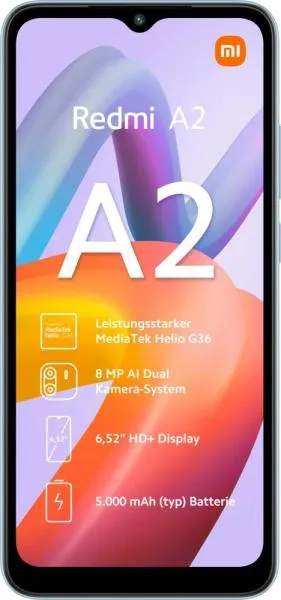
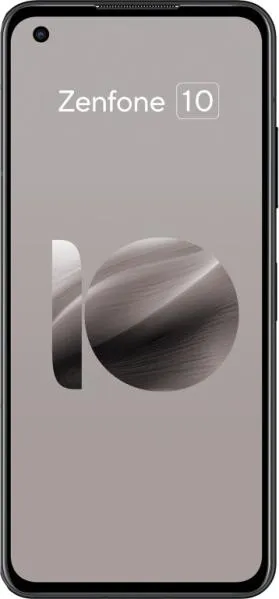
| Feature | Xiaomi Redmi A2+ | Asus Zenfone 10 | Practical Impact |
|---|---|---|---|
| Design | |||
| Dimensions (mm) | 164.9 x 76.8 x 9.1 | 146.5 x 68.1 x 9.4 | Zenfone 10 is significantly smaller and more pocketable. |
| Weight (g) | 192 | 172 | Zenfone 10 is lighter and easier to handle. |
| Build Materials | Not specified | Not specified | Cannot compare build quality and durability. |
| Display | |||
| Display Type | IPS LCD | Super AMOLED | AMOLED offers deeper blacks, more vibrant colors, and better power efficiency in dark mode. |
| Display Size (inches) | 6.52 | 5.92 | A2+ offers a larger screen for media consumption, Zenfone 10 is more one-hand friendly. |
| Resolution | 720 x 1600 | 1080 x 2400 | Zenfone 10 has a much sharper display with higher pixel density (445 ppi vs 269 ppi). |
| Refresh Rate | Not specified | 144Hz | Zenfone 10's high refresh rate provides a smoother, more responsive user experience. |
| Peak Brightness | 400 nits (typ) | 1100 nits (peak) | Zenfone 10 is significantly brighter, improving outdoor visibility. |
| Performance | |||
| Chipset | Mediatek Helio G36 (12 nm) | Qualcomm Snapdragon 8 Gen 2 (4 nm) | Zenfone 10 boasts a vastly more powerful processor, enabling significantly faster performance in demanding tasks and games. |
| CPU | Octa-core (4x2.2 GHz Cortex-A53 & 4x1.7 GHz Cortex-A53) | Octa-core (1x3.2 GHz Cortex-X3 & 2x2.8 GHz Cortex-A715 & 2x2.8 GHz Cortex-A710 & 3x2.0 GHz Cortex-A510) | Zenfone 10's CPU architecture is much more modern and powerful. |
| GPU | PowerVR GE8320 | Adreno 740 | Zenfone 10's GPU provides significantly better graphics performance for gaming and other visually intensive tasks. |
| RAM | 2GB/3GB | 8GB/16GB | Zenfone 10 offers much more RAM, allowing for smoother multitasking and better performance with demanding applications. |
| Camera | |||
| Rear Camera | 8MP Main, 0.3MP Depth | 50MP Main (Sony IMX766), 13MP Wide/Macro | Zenfone 10 provides significantly better image quality, versatility, and low-light performance. |
| Front Camera | 5MP | 32MP | Zenfone 10 has a much higher resolution selfie camera. |
| Video Recording | 1080p@30fps | 8K@24fps, 4K@60fps | Zenfone 10 offers superior video recording capabilities. |
| Battery | |||
| Capacity | 5000 mAh | 4300 mAh | A2+ has a larger battery capacity, potentially offering longer battery life for basic tasks. |
| Fast Charging | 10W | 30W | Zenfone 10 charges significantly faster. |
2. Key Differences Analysis
Xiaomi Redmi A2+ Advantages:
- Lower Price: Significantly more affordable.
- Larger Battery: Potentially longer battery life for basic usage.
Asus Zenfone 10 Advantages:
- Significantly More Powerful: Superior performance in all areas due to a flagship processor, ample RAM, and a faster GPU.
- Higher Quality Display: Sharper, brighter, more vibrant AMOLED display with a 144Hz refresh rate.
- Superior Camera System: Higher resolution sensors, better low-light performance, more versatile lenses, and advanced video recording capabilities.
- Faster Charging: 30W fast charging.
- More Compact Design: Easier to handle and carry.
- NFC: Enables contactless payments and other functionalities.
- Latest Software: Ships with Android 13 and guaranteed updates to Android 15.
Trade-offs:
- The Redmi A2+ sacrifices performance, features, and build quality for affordability.
- The Zenfone 10 prioritizes performance and premium features at a significantly higher price point.
3. User Profiles & Recommendations
Xiaomi Redmi A2+: Ideal for budget-conscious users who prioritize basic communication (calls, texts, social media) and light web browsing. Not recommended for gaming, demanding applications, or photography enthusiasts.
Asus Zenfone 10: Ideal for users who demand top-tier performance, a premium display, a capable camera system, and a compact form factor. Excellent for gaming, content creation, and multitasking.
4. Decision Framework
Key Questions:
- What is your budget? The A2+ is a budget phone, while the Zenfone 10 is a premium device.
- What are your primary smartphone usage patterns? Basic communication vs. demanding tasks and gaming.
- Which features are most important to you? Camera quality, performance, display, battery life, or software updates?
My Choice: Asus Zenfone 10
While the Redmi A2+ offers incredible value for its price, the Zenfone 10 is the clear winner for me. I prioritize a smooth and responsive user experience, which the Zenfone 10 delivers with its powerful Snapdragon 8 Gen 2 processor, 144Hz AMOLED display, and ample RAM. The superior camera system, compact form factor, and guaranteed software updates further solidify my choice. While the price difference is substantial, the Zenfone 10 provides a significantly better overall experience that justifies the premium. The Redmi A2+ serves a specific niche for budget-conscious users, but its limited capabilities would be frustrating for my usage patterns.
