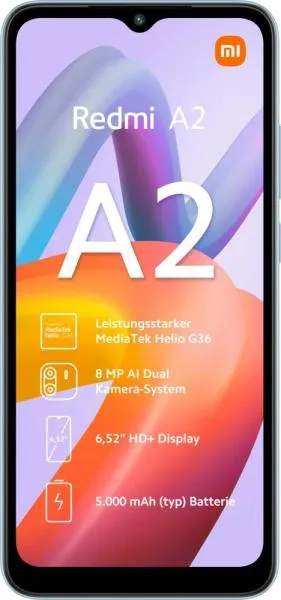
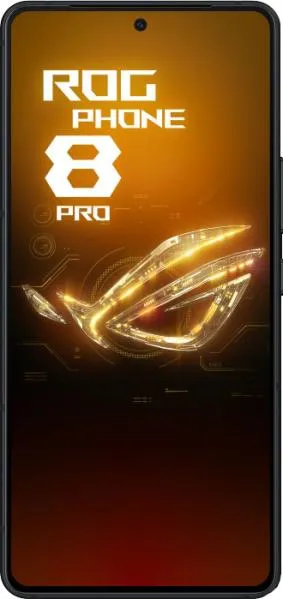
1. Specifications Comparison
| Feature | Xiaomi Redmi A2+ | Asus ROG Phone 8 Pro | Practical Impact |
|---|---|---|---|
| Design | |||
| Dimensions (mm) | 164.9 x 76.8 x 9.1 | 163.8 x 76.8 x 8.9 | ROG Phone 8 Pro is slightly shorter and thinner. Negligible difference in daily use. |
| Weight (g) | 192 | 225 | Redmi A2+ is significantly lighter, reducing hand fatigue during extended use. |
| Build Material | Unspecified | Unspecified | Material differences impact durability and premium feel. Lack of information limits comparison. |
| Display | |||
| Display Type | IPS LCD | LTPO AMOLED | ROG Phone 8 Pro offers superior contrast, deeper blacks, and potentially better power efficiency due to LTPO. |
| Display Size (inches) | 6.52 | 6.78 | ROG Phone 8 Pro provides a larger viewing area for media consumption and gaming. |
| Resolution | 720 x 1600 | 1080 x 2400 | ROG Phone 8 Pro has a much sharper display, resulting in clearer text and images. |
| Refresh Rate | Unspecified | 165Hz | Higher refresh rate on ROG Phone 8 Pro results in smoother animations and a more responsive experience, especially noticeable in gaming. |
| Peak Brightness | 400 nits (typ) | 2500 nits (peak) | ROG Phone 8 Pro is significantly brighter, ensuring better visibility outdoors. |
| Performance | |||
| Chipset | Mediatek Helio G36 (12 nm) | Qualcomm Snapdragon 8 Gen 3 (4 nm) | ROG Phone 8 Pro boasts a vastly more powerful processor, enabling significantly faster performance and smoother multitasking. |
| CPU | Octa-core (4x2.2 GHz Cortex-A53 & 4x1.7 GHz Cortex-A53) | Octa-core (1x3.3 GHz Cortex-X4 & 3x3.2 GHz Cortex-A720 & 2x3.0 GHz Cortex-A720 & 2x2.3 GHz Cortex-A520) | ROG Phone 8 Pro offers significantly improved CPU performance for demanding tasks and gaming. |
| GPU | PowerVR GE8320 | Adreno 750 | ROG Phone 8 Pro's GPU provides a substantial leap in graphics performance, crucial for high-end gaming and demanding applications. |
| RAM | 2GB/3GB | 16GB/24GB | Massively more RAM in ROG Phone 8 Pro allows for seamless multitasking and keeping numerous apps open in the background. |
| Camera | |||
| Rear Camera | 8MP Main, 0.3MP unspecified | 50MP Main (Sony IMX890), 13MP Wide, 32MP Telephoto | ROG Phone 8 Pro offers a significantly more versatile and higher resolution camera system with advanced features like optical zoom. |
| Front Camera | 5MP | 32MP | ROG Phone 8 Pro has a much higher resolution front camera for better quality selfies and video calls. |
| Video Recording | 1080p@30fps | Up to 8K@24fps | ROG Phone 8 Pro allows for significantly higher resolution video recording. |
| Battery | |||
| Capacity | 5000 mAh | 5500 mAh | ROG Phone 8 Pro offers a slightly larger battery capacity, potentially translating to longer battery life. However, its more powerful components might offset this advantage. |
| Fast Charging | 10W | 65W | ROG Phone 8 Pro supports significantly faster charging, minimizing downtime. |
2. Key Differences Analysis
Xiaomi Redmi A2+ Advantages:
- Lighter and more affordable: Significantly lighter and much cheaper, making it ideal for budget-conscious users.
Asus ROG Phone 8 Pro Advantages:
- Superior Performance: Significantly more powerful processor, GPU, and ample RAM, making it ideal for demanding tasks and gaming.
- High-Quality Display: Brighter, sharper AMOLED display with a higher refresh rate for a smoother and more immersive visual experience.
- Advanced Camera System: Versatile camera setup with higher resolution sensors and features like optical zoom.
- Faster Charging: Supports significantly faster charging.
3. User Profiles & Recommendations
Xiaomi Redmi A2+: Budget-conscious users who prioritize basic functionality (calling, texting, browsing) and long battery life.
Asus ROG Phone 8 Pro: Power users, mobile gamers, and content creators who demand top-tier performance, a premium display, and advanced camera capabilities.
4. Decision Framework
Key Questions for Buyers:
- What is your budget? The Redmi A2+ is a budget phone, while the ROG Phone 8 Pro is a premium device.
- What are your primary use cases? Basic tasks vs. demanding gaming and content creation.
- What features are most important to you? Battery life, performance, camera quality, display quality.
My Choice: Asus ROG Phone 8 Pro
While the Xiaomi Redmi A2+ offers excellent value for its price, the Asus ROG Phone 8 Pro is the clear winner for me. I prioritize a smooth and responsive user experience, which the ROG Phone 8 Pro delivers with its powerful hardware, high refresh rate display, and fast storage. The advanced camera system and fast charging are also significant advantages. While the price difference is substantial, the ROG Phone 8 Pro's superior capabilities justify the investment for my needs. I often use my phone for demanding tasks like photo editing, video recording, and gaming, making the ROG Phone 8 Pro's performance a crucial factor. The Redmi A2+ is a solid budget option, but it wouldn't be able to handle my workflow effectively.
