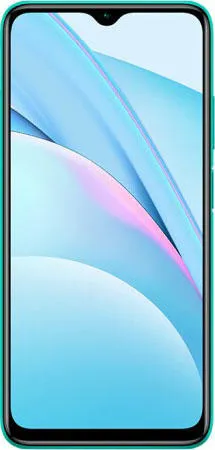
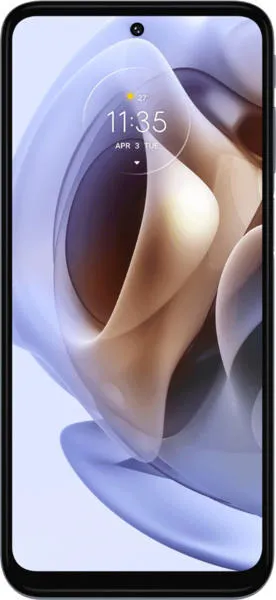
Smartphone Comparison: Xiaomi Redmi 9T vs. Motorola Moto G31
1. Specifications Comparison
| Feature | Xiaomi Redmi 9T | Motorola Moto G31 | Practical Impact |
|---|---|---|---|
| Design | |||
| Dimensions | 162.3 × 77.3 × 9.6 mm | 161.9 × 73.9 × 8.6 mm | Moto G31 is slightly more compact and thinner, likely feels better in hand. Redmi 9T is wider and thicker, may be less comfortable for one-handed use. |
| Weight | 198g | 181g | Moto G31 is lighter, making it more comfortable for extended use and easier to carry. Redmi 9T feels heavier, potentially more robust, less pocketable. |
| Display | |||
| Size | 6.53" | 6.4" | Redmi 9T has a slightly larger screen, better for media consumption. The difference is unlikely noticeable in most usage scenarios. |
| Resolution | 1080x2340 | 1080x2400 | Both displays are very similar and are full HD. Sharpness will be excellent on both. |
| PPI | 395 | 411 | Very similar pixel density, both are quite sharp. The small difference is unnoticeable by most users. |
| Technology | IPS LCD | AMOLED | Moto G31's AMOLED offers deeper blacks, better contrast, and potentially better outdoor visibility and power efficiency. Redmi 9T's LCD is fine, but not as vivid. |
| Refresh Rate | 60Hz | 60Hz | Both offer standard refresh rate, so neither is suitable for high framerate gaming and smooth scrolling. |
| Brightness | 0 nits | 0 nits | No information on brightness available for either phone, making it impossible to evaluate real world performance. |
| Performance | |||
| Chipset | Snapdragon 662 (11 nm) | Helio G85 (12 nm) | Moto G31 has a more powerful processor and is faster in benchmarks, leading to snappier app launching and slightly smoother operation. |
| AnTuTu Score | 174,500 | 225,154 | Moto G31 has a 29% higher benchmark score, this will translate to a much smoother experience. Redmi 9T may experience slight lag on more intensive tasks. |
| GPU | Adreno 610 | Mali-G52 MC2 | Moto G31's GPU is slightly more powerful, offering better gaming performance than Redmi 9T on slightly more intensive games. |
| Camera | |||
| Main Camera Res | 48MP | 50MP | Moto G31 has slightly higher resolution, potentially capturing more detail, although the difference may not be significant for most users. |
| Main Camera Ap. | f/1.79 | f/1.8 | Redmi 9T has a slightly wider aperture, potentially better low-light performance. The difference is small and likely not noticeable in most situations. |
| Main Camera Sensor | 1/2" | 1/2.76" | Redmi 9T has a bigger sensor that might be able to capture more light, leading to better low light performance. |
| Selfie Camera Res | 8MP | 13MP | Moto G31 has a higher resolution for selfies, likely providing more detailed images. |
| Selfie Camera Ap. | f/2.0 | f/2.2 | Redmi 9T has a wider aperture, which may be beneficial in low-light conditions for the selfie camera. |
| Wide Angle Lens | 8MP, f/2.2 | 8MP, f/2.0 | Moto G31 has a wider aperture which should lead to better low light performance in the wide angle. |
| Portrait Mode | 2MP, f/2.4 | None | Redmi 9T has a dedicated depth sensor for portrait mode, whilst Moto G31 relies on software for similar functionality. |
| Macro Lens | 2MP, f/2.4 | 2MP, f/2.4 | Both phones offer similar macro camera performance, although the Moto G31 has a larger pixel size for this lens. |
| Video | 1080p@30fps | 1080p@30fps | Both phones are similar for standard video recording, suitable for social media. |
| Camera Features | 4K Video, Quad camera, Manual focus | Optical zoom, Triple camera, PDAF, LAF, RAW | Redmi 9T offers 4K video and manual controls, whilst the Moto G31 offers PDAF, LAF and RAW support. |
| Battery | |||
| Capacity | 6000mAh | 5000mAh | Redmi 9T has a significantly larger battery, offering longer battery life and more usage between charges. |
| Charging | 18W Fast Charging | 10W Fast Charging | Redmi 9T charges faster, which is a noticeable difference in terms of time spent charging. |
| Features | Reverse Charging, 22.5W Charger in box | None | Redmi 9T can be used as a power bank and includes a faster charger in the box. |
| Software | |||
| OS | Android 10 | Android 11 | Moto G31 runs on a more recent version of Android out of the box, which is likely to offer updated features and security. |
| Connectivity | |||
| Wi-Fi | 802.11ac | 802.11ac | Both support the latest Wi-Fi standards |
| Bluetooth | 5.0 LE | 5.0 LE | Both have similar Bluetooth capabilities. |
| GPS | GPS, A-GPS, GLONASS, Beidou, Galileo | GPS, A-GPS, GLONASS, Beidou, SUPL, Galileo | Both offer similar navigation capabilities. |
| SIM | Dual SIM (Nano) | Dual SIM (Nano) | Both support dual SIM functionality. |
| Storage | |||
| Internal | 64/128 GB | 64/128 GB | Both come with 64GB or 128GB options. |
| RAM | 4/6 GB | 4 GB | Redmi 9T has an option for more RAM, which can help with multitasking and performance. |
| Expandable | No | No | Neither phone has expandable storage. |
| Audio | |||
| Quality | Hi-Res, Stereo Speakers | Dolby Atmos, 2 Microphones | Redmi 9T has superior audio playback and louder speakers, Moto G31's audio features are more focused towards recording, as well as surround sound. |
| Security | |||
| Features | Side-mounted Fingerprint | Side-mounted Fingerprint | Both have a side mounted fingerprint reader. |
| Build Quality | |||
| Protection | Corning Gorilla Glass 3 | Unknown | Xiaomi Redmi 9T has a protected screen while the screen protection of the Motorola Moto G31 is unknown. |
| Sensors | |||
| Sensors | Accelerometer, Compass, Ultrasonic Proximity | Accelerometer, Compass, Gyroscope, Proximity | The Moto G31 has a more complete sensor suite suitable for advanced features and gaming. |
2. Key Differences Analysis
Xiaomi Redmi 9T Advantages:
- Larger Battery: The 6000mAh battery offers significantly longer battery life, making it suitable for users who need a phone that lasts all day without charging.
- Faster Charging: 18W fast charging and a 22.5W charger included in box significantly reduces charging time compared to the Moto G31.
- Hi-Res Audio and Stereo Speakers: Better audio playback and separation for media consumption, leading to better immersion and enjoyment of media.
- Reverse Charging: It can be used as a power bank to charge other devices.
- Gorilla Glass 3 Screen: Better protection against scratches and minor impacts.
- Slightly wider main camera aperture: Could perform better in low light for the main camera.
Motorola Moto G31 Advantages:
- Superior Display: AMOLED screen offers vibrant colors, deep blacks, and better contrast, leading to more vibrant and enjoyable media consumption.
- More powerful chipset: The Helio G85 provides better overall performance and smoother operation for daily tasks, also the 29% higher benchmark score also shows the improved performance.
- Better Selfie Camera: The 13MP selfie camera captures more detail, leading to more detailed photos.
- More recent version of Android: Ships with Android 11 out of the box, leading to more features, security and overall smoother performance.
- Wider Aperture Wide Angle: Better low light performance with the wide angle.
- PDAF and LAF: The presence of PDAF and LAF provides superior autofocusing in the main camera.
- Optical Zoom and RAW support: Both additional camera features that might help some people with taking pictures.
- More Complete Sensor Suite: The gyroscope, Hall and standard proximity sensor gives the phone additional functionality for advanced features.
- More compact and lighter: The thinner and lighter body makes for more comfortable handling and carryability.
Trade-offs
- Redmi 9T trades performance and display quality for battery life and better audio.
- Moto G31 prioritizes display and performance but sacrifices battery life and charging speed.
- Both do not have expandable storage.
3. User Profiles & Recommendations
Xiaomi Redmi 9T Ideal User:
- Heavy users: People who need long battery life and don't want to worry about charging their phone during the day.
- Media consumers: Users who listen to music or watch videos through the device speakers, will benefit from better audio.
- Budget-conscious buyers: Those looking for a reliable phone with a big battery at an affordable price.
- Users who don't need advanced camera features: If you are not keen on manual settings or editing pictures, the main camera will be excellent for day-to-day pictures.
Specific Use Cases:
- Long days of travel or outdoor activities without easy access to charging.
- Watching movies or listening to music for extended periods.
- Daily drivers who prefer not to charge more than once a day.
Motorola Moto G31 Ideal User:
- Casual gamers and app users: People who need good performance for daily tasks and light to moderate gaming.
- Visual Experience: Users who prioritize a vibrant display with deep blacks for media consumption.
- Selfie Enthusiasts: Users who want a high-resolution front-facing camera for detailed selfies.
- Photography fans: People who like to edit pictures and want access to PDAF, LAF and RAW.
- Users who prefer a more compact device: If you want a phone that is thin and light in the hand and easy to pocket, the Moto G31 will work perfectly.
- Users who don't need very long battery life: If you don't mind charging daily, or if you spend a lot of time near power outlets the battery will be fine.
Specific Use Cases:
- Social media use and light gaming
- Watching videos and movies with vibrant color
- Taking detailed selfies
- General daily phone usage
4. Decision Framework
Key Questions to Consider:
- How important is battery life to you? If you need a phone that lasts for one full day of heavy usage, the Redmi 9T is a better pick.
- How important is display quality? If you want vibrant colors, deep blacks, and a more immersive visual experience, the Moto G31's AMOLED screen is superior.
- Do you need the best possible performance or is battery life more of a concern for you? If you're a casual user who wants good performance, the Moto G31 is better. If you need the longest battery life, the Redmi 9T is the phone to get.
Scenario-Based Recommendations:
- Scenario 1: Long Workdays If you need a phone for a full day of work, and need to avoid charging during the day, choose the Xiaomi Redmi 9T.
- Scenario 2: Media Consumption If you prioritize a high-quality display for watching videos and movies, choose the Motorola Moto G31.
- Scenario 3: Daily Use with Occasional Gaming If you need a phone that performs smoothly for daily tasks and the occasional game, choose the Motorola Moto G31.
- Scenario 4: Heavy audio user: If you consume a lot of content through your phone speaker, choose the Xiaomi Redmi 9T.
My Choice
If I had to choose between these two phones, I would choose the Motorola Moto G31.
While the Redmi 9T's battery life is certainly impressive, the combination of the AMOLED display, superior performance, better selfie camera and PDAF / LAF system make the Moto G31 a superior experience in my eyes. I'm willing to trade some battery life for a more enjoyable and snappier daily use experience. Since I am usually near charging outlets during the day, the difference in battery capacity won't be as important to me as the display quality and performance. I also take a lot of pictures using the selfie camera, therefore it would be a better phone for me.
