1. Specifications Comparison
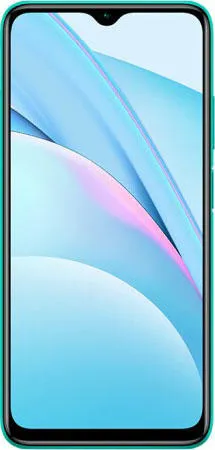
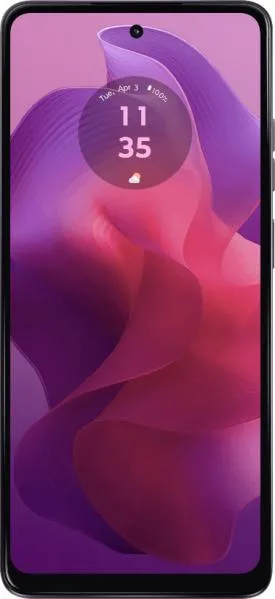
| Feature | Xiaomi Redmi 9T | Motorola Moto G24 | Practical Impact |
|---|---|---|---|
| Design | |||
| Dimensions | 162.3 × 77.3 × 9.6 mm | 163.5 × 74.5 × 8 mm | The Moto G24 is taller and narrower, but noticeably thinner and lighter, likely making it more comfortable to hold and carry. The Redmi 9T is bulkier. |
| Weight | 198g | 181g | The Moto G24 is significantly lighter, making it more comfortable for extended use. |
| Display | |||
| Size | 6.53" | 6.56" | Virtually identical screen sizes. |
| Resolution | 1080x2340 | 720x1612 | The Redmi 9T's higher resolution will result in a noticeably sharper and clearer display with finer details, particularly noticeable when reading text or viewing images. |
| PPI | 395 | 269 | The Redmi 9T has a significantly higher pixel density, making text and images appear sharper and less pixelated. |
| Technology | IPS LCD | IPS LCD | Both use the same display technology; therefore, no inherent differences in color reproduction or viewing angles due to display type. |
| Refresh Rate | 60Hz | 90Hz | The Moto G24's 90Hz refresh rate will result in smoother scrolling and animations compared to the Redmi 9T's 60Hz display, making the user experience feel more fluid. |
| Brightness | 0 nits | 500 nits | The Moto G24 is far more suitable for outdoor use in bright sunlight due to its significantly higher brightness. The Redmi 9T may be difficult to see in very bright conditions. |
| Performance | |||
| Chipset | Qualcomm Snapdragon 662 (11 nm) | Mediatek Helio G85 (12 nm) | Different processors, making direct comparisons based on specifications alone difficult. |
| AnTuTu Score | 174,500 | 266,894 | The Moto G24 demonstrates much better performance based on benchmark scores, indicating faster app loading, smoother multitasking and better gaming capabilities compared to the Redmi 9T. |
| GPU | Adreno 610 | Mali-G52 MC2 | Different GPUs; real-world gaming performance will vary between these devices depending on the optimization of specific games. |
| Battery | |||
| Capacity | 6000mAh | 5000mAh | The Redmi 9T has a larger battery which potentially translates to longer battery life, but real-world endurance depends on usage, optimization, and display usage. |
| Charging | 18W Fast Charging | 15W Fast Charging | The Redmi 9T can charge slightly faster with 18W charging, which could reduce wait times. |
| Features | Reverse charging, 22.5W charger inbox | Non-removable | The Redmi 9T can charge other devices and has a faster included charger, both offering added convenience. |
| Camera | |||
| Main Camera | 48MP, f/1.79 | 50MP, f/1.8 | The Moto G24's 50MP main camera has a higher resolution, but the Redmi 9T’s wider aperture (f/1.79) may allow more light, potentially resulting in slightly better low light performance. |
| Selfie Camera | 8MP, f/2.0 | 8MP, f/2.0 | Both phones have very similar selfie camera specifications and image quality should be comparable. |
| Wide Angle | 8MP, f/2.2 | 2MP, f/2.4 | The Redmi 9T's wide-angle camera will produce much higher-quality wide-angle shots due to its significantly higher resolution. |
| Depth Camera | 2MP, f/2.4 | N/A | The Redmi 9T has a dedicated depth sensor for better portrait mode photos. The Moto G24 lacks this feature. |
| Macro Camera | 2MP, f/2.4 | 2MP, f/2.4 | Both phones offer identical macro camera specifications, offering similar close-up photography capabilities. |
| Video | 1080p@30fps | 1080p@30fps | Both phones offer comparable video recording quality. |
| Camera Features | 4K Video, Quad camera, Manual focus, Continuous shooting | Triple camera, Phase detection autofocus (PDAF), RAW | The Redmi 9T offers 4K video, and more camera lenses while Moto G24 offers PDAF and the ability to capture RAW images for manual processing. |
| Software | |||
| OS | Android 10 | Android 14 | The Moto G24 has a more up-to-date version of Android, meaning more features, newer security patches and likely longer software support. |
| Connectivity | |||
| Wi-Fi | 802.11ac | 802.11ac | Both have similar Wi-Fi capabilities. The Redmi 9T has an additional Wi-Fi Display feature for screen mirroring. |
| Bluetooth | 5.0 LE | 5.0 LE | Both support the basics; Motorola has slightly expanded codec/profiles. |
| GPS | GPS, A-GPS, GLONASS, Beidou, Galileo | GPS, A-GPS, GLONASS, Beidou, SUPL, Galileo | Both offer similar location capabilities with the G24 adding SUPL. |
| SIM | Dual SIM Dual Standby | Dual SIM Dual Standby | Both support dual SIMs. |
| Storage | |||
| Internal | 64/128GB | 128/256GB | The Moto G24 offers a base storage of 128 GB and an option for 256 GB, while the Redmi 9T's base storage is 64GB and an option for 128GB. This provides more storage out of the box. |
| RAM | 4/6GB | 4/8GB | The Moto G24 has an 8GB RAM option, which allows for better multitasking and smooth app switching. |
| Expandable | No | No | Neither phone has expandable storage; therefore, the on-board storage capacity is the limit for both phones. |
| Audio | |||
| Quality | Hi-Res Audio, Stereo Speakers | Dolby Atmos, Stereo Speakers | Both have stereo speakers. Redmi 9T has Hi-Res Audio support, while the Moto G24 has Dolby Atmos enhancement, providing different but similar audio experiences. |
| Security | |||
| Features | Side-mounted fingerprint sensor | Side-mounted fingerprint sensor | Both phones use a side-mounted fingerprint sensor for basic biometric security. |
| Build Quality | |||
| Screen Protection | Corning Gorilla Glass 3 | Unknown | The Redmi 9T has better screen protection, offering more resistance to scratches and accidental damage. |
| Sensors | |||
| Sensors | Fingerprint, Accelerometer, Compass, Ultrasonic proximity virtual | Fingerprint, Proximity, Accelerometer, Compass, Gyroscope | The Moto G24 has a gyroscope, which is important for motion-controlled gaming, and some AR applications. The Redmi 9T has Ultrasonic proximity sensor. |
2. Key Differences Analysis
Xiaomi Redmi 9T Advantages:
- Sharper Display: Higher resolution and PPI resulting in better clarity.
- Larger Battery: Potentially longer battery life, though actual endurance depends on usage.
- Reverse Charging: Can charge other devices.
- Better Wide Angle Camera: Significantly higher resolution wide-angle lens.
- Dedicated Depth Camera: Improved portrait mode photos.
- Hi-Res Audio: For audiophiles who appreciate higher quality audio.
- Screen Protection: Corning Gorilla Glass 3 screen for improved scratch resistance.
- 22.5W Charger Inbox: A faster charger is included with purchase.
Motorola Moto G24 Advantages:
- Smoother Display: 90Hz refresh rate for fluid animations.
- Brighter Display: Better outdoor visibility.
- Significantly Better Performance: Higher AnTuTu score, suggesting smoother, faster operation and gaming.
- More Storage: Larger base internal storage capacity.
- More RAM: Available with 8GB RAM option for superior multitasking.
- More Up-to-Date OS: Android 14, offering newer features and longer software support.
- Gyroscope: Better for motion-based gaming and some AR applications.
- Phase Detection Autofocus: Potentially faster and more accurate autofocus.
- RAW photo capture: Offers the ability to manually edit photos
Significant Trade-offs:
- Redmi 9T: Trades performance for better display resolution, and slightly better battery life.
- Moto G24: Trades screen clarity for display brightness, performance, and storage capacity and smoother animations.
3. User Profiles & Recommendations
Xiaomi Redmi 9T:
- Ideal User: Budget-conscious users who prioritize display clarity, battery life, and audio quality but do not need great performance for gaming or multitasking.
- Use Cases:
- Media consumption (watching videos, reading e-books).
- Longer battery life for travel or users who don't have access to a charger.
- Casual photography that uses the camera, but without emphasis on complex photo editing.
- Users who value Hi-Res Audio.
Motorola Moto G24:
- Ideal User: Users seeking a modern smartphone experience with better performance, a smooth display, and adequate storage.
- Use Cases:
- Gamers and multitaskers who need a smooth and responsive phone.
- Users who frequently use their phones outdoors.
- Users who value the most up-to-date Android experience.
- Casual photographers who want better camera features, like PDAF and the ability to edit RAW files.
Price-to-Value:
- The Moto G24 offers a good balance of modern features, performance, and usability at what's expected to be an affordable price point.
- The Redmi 9T offers a strong value for users who prioritize screen clarity and battery life but with dated software.
4. Decision Framework
Key Questions:
- How important is display clarity to you? (Redmi 9T has higher resolution)
- How important is smooth, fast performance for multitasking and gaming? (Moto G24 has significantly better performance)
- Do you frequently use your phone outdoors in bright sunlight? (Moto G24 has much higher brightness)
Scenario-Based Recommendations:
- For the budget-conscious user focused on battery and media: Choose the Redmi 9T if display clarity is highly preferred and you need long battery life and don't game or do a lot of multitasking.
- For the user who wants a more up to date smartphone experience: Choose the Motorola Moto G24 if you want a smoother experience with modern features and a very bright screen.
- For the casual photographer who needs better editing tools: Choose the Motorola Moto G24 because of its RAW file capture ability and PDAF.
Final Recommendation
If I had to choose between these two phones, I would choose the Motorola Moto G24.
While I appreciate the Redmi 9T's sharper display and slightly larger battery, the Moto G24's significantly better performance, brighter, smoother display, modern software, and superior multitasking capabilities make it the better choice for my personal use case. The dated Android 10 software on the Redmi 9T and lack of a gyroscope are a deal breaker, and the lower resolution screen is an acceptable trade-off for the much-improved performance of the Moto G24. The newer software, higher brightness, and smoother display would lead to a more enjoyable and usable device overall. The ability to capture and edit RAW images is also a welcome feature for an enthusiast who enjoys mobile photography.
