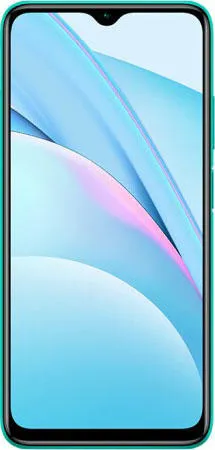
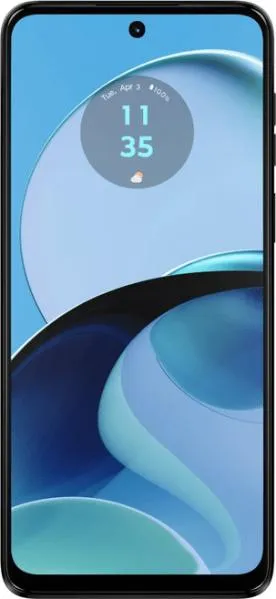
1. Specifications Comparison
| Feature | Xiaomi Redmi 9T | Motorola Moto G14 | Practical Impact |
|---|---|---|---|
| Design | |||
| Dimensions | 162.3 × 77.3 × 9.6 mm | 161.5 × 73.8 × 8 mm | Redmi 9T is wider and thicker, may feel bulkier; Moto G14 is more compact and likely easier to handle |
| Weight | 198g | 177g | Moto G14 is significantly lighter, making it more comfortable for extended use |
| Display | |||
| Size | 6.53" | 6.5" | Negligible difference in size, both offer a similar viewing experience |
| Resolution | 1080x2340 | 1080x2400 | Very similar sharpness; Minor difference unlikely to be noticeable to the naked eye |
| PPI | 395 | 405 | Virtually indistinguishable pixel density, both offer sharp images |
| Technology | IPS LCD | IPS LCD | Same display technology, color and viewing angles will be comparable |
| Refresh Rate | 60Hz | 60Hz | Standard smoothness; No difference in screen fluidity |
| Brightness | 0 nits | 0 nits | Same peak brightness; Likely similar visibility in different lighting conditions |
| Performance | |||
| Chipset | Snapdragon 662 (11 nm) | Unisoc T616 (12 nm) | Moto G14 has a newer chip, potentially better power efficiency and performance in daily tasks |
| AnTuTu Score | 174,500 | 220,000 | Moto G14 is expected to perform noticeably better in gaming and demanding apps |
| GPU | Adreno 610 | Mali-G57 MP1 | Moto G14's GPU is more powerful, meaning better graphics performance for gaming |
| Camera | |||
| Main Camera Res | 48MP | 50MP | Moto G14 has a slightly higher resolution; Potential for marginally more detail in photos |
| Main Camera Aperture | f/1.79 | f/1.8 | Redmi 9T has slightly wider aperture, may perform better in low light |
| Main Camera Sensor Size | 1/2" | 1/2.76" | Redmi 9T has a larger sensor, likely to capture more light and detail |
| Selfie Camera | 8MP (f/2.0, 1.12µm) | 8MP (f/2.0, 1.12µm) | Comparable selfie camera performance |
| Wide Angle Lens | 8MP | None | Redmi 9T offers a wider perspective for landscape or group photos; Missing on Moto G14 |
| Depth Camera | 2MP | None | Redmi 9T can create more defined portrait photos; Missing on Moto G14 |
| Macro Camera | 2MP | 2MP | Similar Macro lens performance |
| Video | 1080p@30fps | 1080p@30fps | Identical video recording capabilities |
| Battery | |||
| Capacity | 6000mAh | 5000mAh | Redmi 9T has a larger battery, leading to longer battery life |
| Charging | 18W Fast Charging | 15W Fast Charging | Redmi 9T charges faster, reducing downtime |
| Battery Features | Reverse Charging, 22.5W charger included | None | Redmi 9T has reverse charging and a more powerful charger in the box |
2. Key Differences Analysis
Xiaomi Redmi 9T Advantages:
- Larger Battery: 6000mAh battery provides significantly longer battery life, beneficial for users who don't want to charge frequently.
- Faster Charging: 18W charging compared to 15W on Moto G14, leading to faster recharge times and less waiting time.
- Wider Aperture and larger sensor in Main Camera: f/1.79 aperture and 1/2" sensor allows more light, which results in better low-light performance and slightly better image quality.
- Additional Camera Lenses: Offers a wide-angle and depth sensor for more versatile photography.
- Reverse Charging: Can be used as a power bank for other devices.
- Included 22.5W Charger: Faster charging out of the box.
- Screen Protection: Corning Gorilla Glass 3 offers some level of protection against scratches and minor impacts.
Motorola Moto G14 Advantages:
- Newer Chipset: The Unisoc T616 is newer, offering better performance and power efficiency and faster app loading, smoother operation.
- Significantly better Benchmark score: Antutu score of 220,000 compared to 174,500 of Redmi 9T, meaning smoother performance for everyday tasks and gaming.
- Lighter and Thinner: More comfortable to hold and carry due to its lighter weight and slimmer profile.
- More RAM Options: Available with 8 GB of RAM, which is better for heavy multitasking and gaming compared to 6 GB in Redmi 9T.
- Newer OS: Ships with Android 13 compared to Android 10 on the Redmi 9T, offering more features and security updates.
- More Storage Options: Available with 256 GB of internal storage compared to 128 GB in Redmi 9T.
Significant Trade-offs:
- Redmi 9T: Trades better performance for longer battery life, more versatile camera options, and a more durable screen.
- Moto G14: Trades longer battery life, camera versatility, and slightly slower charging for a newer OS and more power.
3. User Profiles & Recommendations
Xiaomi Redmi 9T - Ideal Users:
- Battery-focused users: Those who need their phone to last all day without frequent charging.
- Budget photographers: Users who want versatile camera options including a wide-angle lens.
- Users who value durability: Need a phone that can withstand minor bumps and scratches with its Gorilla Glass 3 protection.
- Users who occasionally need to reverse charge: They often need to charge other devices.
Use Cases for Redmi 9T:
- Travelers who need a long-lasting battery while on the go.
- Users who frequently take photos in diverse settings and need a wide-angle lens and depth sensor.
- Users who often travel and use the phone to power other devices.
Motorola Moto G14 - Ideal Users:
- Performance Enthusiasts: Those who value speed and responsiveness for everyday use.
- Gamers: Those who want a phone that can handle gaming smoothly with its better GPU and high benchmark score.
- Users wanting a newer Android experience: They value the latest software with all its features and security updates.
- Users who prefer a slim and light phone: Want a comfortable and portable device.
Use Cases for Moto G14:
- Users who play mobile games or use graphics-intensive apps.
- Those who prefer the latest Android features and better long term support.
- Users who prioritize device comfort and ergonomics.
- Users who need more storage space for photos, videos and applications.
4. Decision Framework
Key Questions:
- Battery or Performance? Do you prioritize longer battery life and more camera versatility (Redmi 9T), or do you need a faster, smoother device with a newer OS and more storage (Moto G14)?
- Camera Versatility or Image Quality? Do you prefer more camera features (wide-angle, depth lens) and wider aperture on a larger sensor (Redmi 9T), or are you okay with a slightly better main camera on a smaller sensor (Moto G14)?
- Comfort or Features? Do you prioritize a lightweight and slim design (Moto G14), or are you willing to accept a bulkier phone for a bigger battery and other camera capabilities (Redmi 9T)?
Scenario-Based Recommendations:
- Scenario 1 (Travel/Outdoors): If you're often on the move or in situations where charging is difficult, the Redmi 9T with its large battery is the better choice.
- Scenario 2 (Daily Driver/Gaming): If you frequently use demanding apps, play mobile games, and value speed, the Moto G14 is the better option due to its improved performance and newer OS.
- Scenario 3 (Photography): If you value camera versatility and low light image capture, the Redmi 9T is preferable because of the additional lenses and larger sensor.
My Choice
I would choose the Motorola Moto G14.
While the Redmi 9T boasts a larger battery, which is appealing, the Moto G14's newer chipset, superior benchmark performance, and lighter design are more compelling for my daily usage. I also like the fact that it has a newer version of Android, and it provides more storage options. The slight difference in battery life is a trade-off I'm willing to make for the performance and software benefits. Additionally, the Moto G14 being lighter is also a positive for portability. While the Redmi 9T offers a better camera system, the improved performance and storage capabilities of the Moto G14 are more relevant to my needs.
