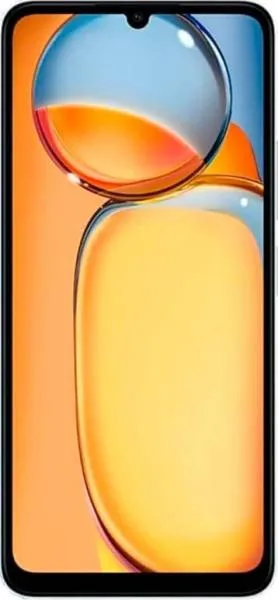
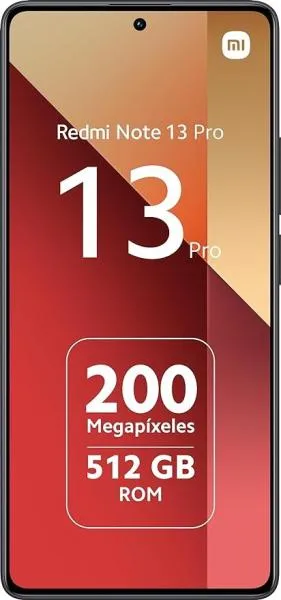
Xiaomi Redmi 13C vs. Xiaomi Redmi Note 13 Pro 4G: A Deep Dive
Let's dissect the Redmi 13C and Redmi Note 13 Pro 4G, two Xiaomi phones catering to different needs and budgets. We'll go beyond the spec sheet to understand what these differences truly mean for you.
1. Specifications Breakdown
| Feature | Xiaomi Redmi 13C | Xiaomi Redmi Note 13 Pro 4G | Real-World Implications |
|---|---|---|---|
| Design | |||
| Dimensions | 168 x 78 x 8.1 mm | 161.1 x 75 x 8 mm | Note 13 Pro is slightly more compact |
| Weight | 192g | 188g | Negligible difference in hand |
| Build Materials | Plastic | (Likely Plastic/Glass) | Durability and premium feel may differ, more info needed on Note 13 Pro |
| Display | |||
| Display Type | IPS LCD, 90Hz | AMOLED, 120Hz | Note 13 Pro offers richer colors, deeper blacks, and smoother scrolling |
| Resolution | 720 x 1600 | 1080 x 2400 | Sharper, more detailed visuals on the Note 13 Pro |
| Peak Brightness | 600 nits (HBM) | 1300 nits (peak) | Note 13 Pro significantly brighter outdoors |
| Performance | |||
| Chipset | Helio G85 (12nm) | Helio G99 Ultra | Note 13 Pro boasts improved CPU and GPU performance for demanding tasks and gaming |
| CPU | 2x2.0 GHz A75, 6x1.8 GHz A55 | 2x2.2 GHz A76, 6x2.0 GHz A55 | Noticeably faster app loading and multitasking on Note 13 Pro |
| RAM/Storage | 128GB/6GB, 256GB/8GB | 256GB/8GB, 512GB/12GB | More RAM options for power users on Note 13 Pro, larger base storage on both |
| Other | |||
| Battery | 5000 mAh | 5000 mAh | Similar battery life expected, but real-world usage will vary |
| OS | Android 13 | Android 13 (up to 16) | Longer software support expected for the Note 13 Pro |
| NFC | Yes | Yes | Contactless payments on both |
| Sensors | Fingerprint (side), Accelerometer, Compass | Fingerprint (under display), Accelerometer, Gyro, Compass | Note 13 Pro offers a more modern under-display fingerprint sensor and a gyroscope for enhanced motion sensing |
2. Key Insights
- Display: The Note 13 Pro's AMOLED display is a clear winner. Expect vibrant colors, true blacks, and smoother scrolling thanks to the 120Hz refresh rate. The 13C's LCD is functional but less impressive.
- Performance: The Helio G99 Ultra in the Note 13 Pro provides a significant performance boost over the G85 in the 13C. This translates to smoother gaming, faster app loading, and better multitasking.
- Value Proposition: The 13C aims for affordability. It provides basic functionality with a large display and long battery life. The Note 13 Pro targets users seeking a more premium experience without breaking the bank.
3. User Profiles and Recommendations
- Redmi 13C: Ideal for budget-conscious users who prioritize essential features like calling, texting, browsing, and light media consumption. Students or casual users would find this suitable.
- Redmi Note 13 Pro 4G: Best for users who value performance, a better display, and longer software updates. Mobile gamers, content creators, or those who demand smoother multitasking would appreciate the Note 13 Pro.
4. Buying Decision Framework
- What's your budget? The 13C is significantly cheaper.
- Is display quality a priority? The Note 13 Pro's AMOLED screen is vastly superior.
- Do you need strong performance for gaming or demanding apps? If yes, choose the Note 13 Pro.
My Choice: I would choose the Redmi Note 13 Pro 4G. While more expensive, the superior AMOLED display, faster performance provided by the Helio G99 Ultra, longer software update commitment, and the inclusion of a gyroscope make it a more compelling overall package for my needs. I value a smooth and responsive user experience, and the Note 13 Pro seems better equipped to deliver that. The slightly more compact form factor is a bonus. While the Redmi 13C offers great value for its price, the compromises on display and performance are too significant for me personally.
