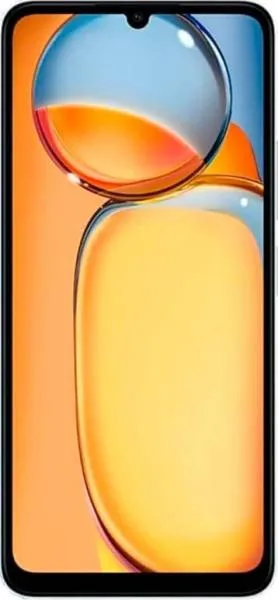
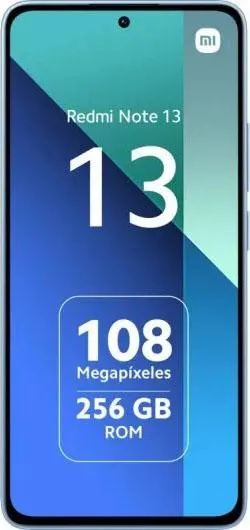
Let's dive into a comparative analysis of the Xiaomi Redmi 13C and the Xiaomi Redmi Note 13 4G, dissecting their specifications and translating them into real-world implications for you.
1. Specifications Breakdown
| Feature | Xiaomi Redmi 13C | Xiaomi Redmi Note 13 4G | Real-World Implications |
|---|---|---|---|
| Design | |||
| Dimensions | 168x78x8.1mm | 162.3x75.6x8mm | Note 13 4G is slightly more compact and potentially easier to hold. |
| Weight | 192g | 188.5g | Note 13 4G is marginally lighter. |
| Display | |||
| Type | IPS LCD, 90Hz | AMOLED, 120Hz | Note 13 4G offers richer colors, deeper blacks, and smoother scrolling. |
| Size | 6.74" | 6.67" | Negligible difference in screen real estate. |
| Resolution | 720x1600 | 1080x2400 | Note 13 4G boasts significantly sharper visuals. |
| Peak Brightness | 600 nits (HBM) | 1800 nits | Note 13 4G offers superior outdoor visibility. |
| Performance | |||
| Chipset | Helio G85 (12nm) | Snapdragon 685 (6nm) | Note 13 4G likely provides better power efficiency and performance. |
| CPU | Octa-core (2x2.0 GHz Cortex-A75 & 6x1.8 GHz Cortex-A55) | Octa-core (4x2.8 GHz Cortex-A73 & 4x1.9 GHz Cortex-A53) | Note 13 4G has a more powerful CPU architecture. |
| GPU | Mali-G52 MC2 | Adreno 610 | Note 13 4G offers superior graphics performance. |
| RAM | 6GB/8GB | 8GB | Note 13 4G offers more RAM for multitasking. |
| Storage | 128GB/256GB | 128GB/256GB | Comparable storage options. |
| Other | |||
| Battery | 5000 mAh | 5000 mAh | Comparable battery capacity. |
| OS | Android 13 | Android 13 | Both run on the latest Android version. |
| NFC | Yes | Yes | Both support contactless payments. |
| Sensors | accelerometer, compass, Fingerprint (side-mounted) | accelerometer, gyro, proximity, compass, Fingerprint (under display) | Note 13 4G offers a wider array of sensors including a gyro for enhanced motion tracking and an under-display fingerprint sensor |
2. Key Insights
The Redmi Note 13 4G clearly outperforms the 13C in several key areas. Its AMOLED display with a 120Hz refresh rate provides a vastly superior visual experience. The Snapdragon 685 chipset, coupled with 8GB of RAM, promises smoother performance and better multitasking capabilities compared to the Helio G85 in the 13C. The higher resolution display and increased peak brightness of the Note 13 4G make it a winner for media consumption and outdoor use.
However, the Redmi 13C's strength lies in its affordability. It offers a large display and a decent battery life for basic tasks.
3. User Profiles and Recommendations
Redmi 13C: Ideal for budget-conscious users who prioritize essential smartphone functionalities like calling, texting, browsing, and light social media usage. Students or individuals seeking a secondary device might find this suitable.
Redmi Note 13 4G: Suited for users who value a more premium experience with a vibrant display, smooth performance, and better gaming capabilities. Content consumers, mobile photographers, and those who engage in moderate multitasking would appreciate this device.
4. Buying Decision Framework
- What is your budget? If price is a primary concern, the 13C is the more affordable option.
- What are your primary smartphone usage patterns? For basic tasks, the 13C suffices. For a richer multimedia and gaming experience, the Note 13 4G is recommended.
- How important is display quality? The AMOLED display of the Note 13 4G is a significant upgrade over the 13C's LCD.
My Choice: I would choose the Redmi Note 13 4G. While the 13C offers excellent value for its price, I prioritize a smooth and responsive user experience, a vibrant display, and strong performance for multitasking and occasional gaming. The Note 13 4G delivers on these aspects with its superior hardware and AMOLED display. The slightly higher price is justified by the significant jump in overall quality and user experience. The improved power efficiency of the 6nm Snapdragon chip also appeals to me for long-term use.
