
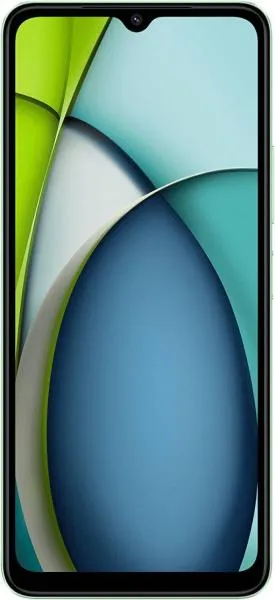
Let's dive into a comparative analysis of the Xiaomi Redmi 13C and the Xiaomi Redmi A3x, two budget-friendly smartphones vying for your attention.
1. Specifications Breakdown
| Feature | Xiaomi Redmi 13C | Xiaomi Redmi A3x | Real-World Implications |
|---|---|---|---|
| Design | |||
| Dimensions | 168x78x8.1mm | 168.4x76.3x8.3mm | A3x slightly narrower, thicker. Negligible difference in hand feel. |
| Weight | 192g | 193g | Virtually identical weight. |
| Display | |||
| Size | 6.74" | 6.71" | Negligible size difference. Both offer ample screen real estate. |
| Type | IPS LCD, 90Hz | IPS LCD, 90Hz | Both offer smooth scrolling and animations thanks to the 90Hz refresh rate. |
| Resolution | 720x1600 | 720x1650 | A3x slightly sharper, but difference barely noticeable in daily use. |
| Performance | |||
| Chipset | Helio G85 (12nm) | Unisoc T603 (22nm) | G85 significantly more powerful, resulting in smoother multitasking and gaming. |
| CPU | Octa-core (2x2.0 GHz Cortex-A75 & 6x1.8 GHz Cortex-A55) | Octa-core 1.8 GHz | 13C's higher clock speed and more powerful cores translate to a noticeably faster experience. |
| GPU | Mali-G52 MC2 | Mali-G57 MP1 | 13C has a slightly older but more powerful GPU. Better for gaming. |
| RAM | 6GB/8GB | 4GB | 13C offers more RAM options, leading to better multitasking and app performance. |
| Storage | 128GB/256GB | 128GB | 13C provides more storage flexibility. |
| OS | Android 13 | Android 14 | A3x ships with a newer Android version, potentially offering longer software support. |
| Other | |||
| Battery | 5000mAh | 5000mAh | Identical battery capacity, expected similar battery life. |
| NFC | Yes | No | 13C supports contactless payments and data transfer. |
| USB | USB Type-C 2.0 | USB Type-C | Both offer modern charging and data transfer capabilities, though specific Type-C protocols may differ. |
2. Key Insights
The Redmi 13C clearly outperforms the A3x in processing power thanks to the Helio G85 chipset and higher RAM configurations. This translates to smoother gaming, faster app loading, and better multitasking. While the A3x boasts a slightly newer Android version, the performance gap is significant. The 13C also includes NFC, a crucial feature for many users.
3. User Profiles and Recommendations
Redmi 13C: Suited for users who prioritize performance, even on a budget. Gamers, multitaskers, and those who need NFC for mobile payments will appreciate the 13C.
Redmi A3x: Best for casual users who primarily use their phones for basic tasks like calling, texting, and social media browsing. Its lower price point might be attractive to budget-conscious buyers who don't demand high performance.
4. Buying Decision Framework
- Do you play mobile games or frequently multitask? If yes, the 13C's superior performance is essential.
- Is NFC a must-have feature? If yes, the 13C is the only option.
- Are you on an extremely tight budget? If yes, and performance is less critical, the A3x might be a viable option.
My Choice: I would choose the Redmi 13C. The performance difference between the Helio G85 and the Unisoc T603 is substantial, making the 13C a more future-proof device. The inclusion of NFC further solidifies its value proposition. While the A3x might be tempting for its slightly newer OS and lower price, the performance compromises are too significant for me. I value a smooth and responsive user experience, which the 13C delivers more effectively. The extra RAM in the 13C is also crucial for long-term performance.
