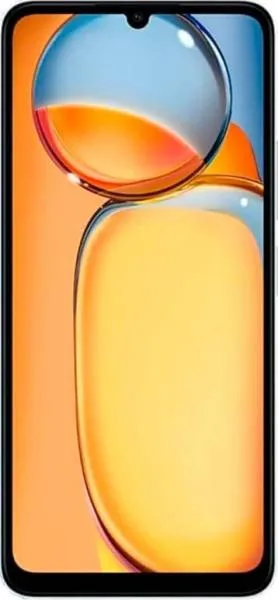
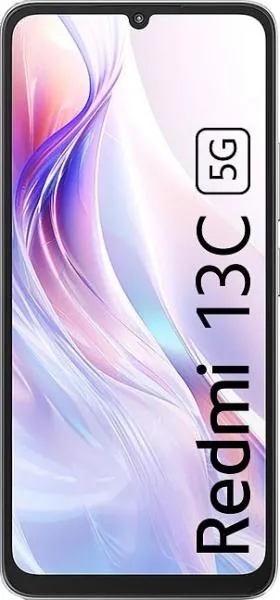
Xiaomi Redmi 13C vs. Xiaomi Redmi 13C 5G: A Practical Comparison
Let's dive into a head-to-head comparison of the Xiaomi Redmi 13C and its 5G counterpart, the Redmi 13C 5G. We'll dissect the specs, analyze their real-world implications, and help you determine which phone best fits your needs.
1. Specifications Breakdown
| Feature | Xiaomi Redmi 13C | Xiaomi Redmi 13C 5G | Real-World Implications |
|---|---|---|---|
| Design | |||
| Dimensions | 168x78x8.1mm | 168x78x8.1mm | Identical dimensions; both phones offer a similar feel in hand. |
| Weight | 192g | 192g | Same weight; negligible difference in portability. |
| Display | |||
| Size | 6.74" | 6.74" | Large display on both, ideal for media consumption and gaming. |
| Type | IPS LCD, 90Hz | IPS LCD, 90Hz | Smooth scrolling and animations thanks to the 90Hz refresh rate. IPS LCD offers good color reproduction but may lack the deep blacks of OLED. |
| Resolution | 720x1600 | 720x1600 | Decent resolution for the size, but pixel density could be sharper. Text might appear slightly less crisp compared to higher-resolution displays. |
| Performance | |||
| Chipset | Helio G85 (12nm) | Dimensity 6100+ (6nm) | The Dimensity 6100+ offers significantly better performance and power efficiency due to its smaller 6nm process node. |
| CPU | Octa-core (2x2.0 GHz Cortex-A75 & 6x1.8 GHz Cortex-A55) | Octa-core (2x2.2 GHz Cortex-A76 & 6x2.0 GHz Cortex-A55) | The 13C 5G boasts more powerful CPU cores, translating to smoother multitasking and faster app loading. |
| GPU | Mali-G52 MC2 | Mali-G57 MC2 | The 13C 5G's GPU provides a noticeable boost in graphics performance, beneficial for gaming and visually demanding applications. |
| RAM | 6/8GB | 6GB | Both offer ample RAM for smooth daily usage. |
| Storage | 128/256GB | 128GB | Ample storage for apps and files on both; the 13C offers a 256GB option for those needing more space. |
| Connectivity | |||
| NFC | Yes | No | The 13C supports contactless payments and data transfer via NFC. A significant advantage for some users. |
| 5G | No | Yes | The 13C 5G offers faster download and upload speeds in areas with 5G coverage. |
| Battery | |||
| Capacity | 5000mAh | 5000mAh | Both phones offer excellent battery life thanks to the large capacity. The 13C 5G's more efficient chipset likely extends this further. |
2. Key Insights
The Redmi 13C 5G is a clear step up in performance thanks to the Dimensity 6100+. This translates to a smoother user experience, especially for demanding tasks like gaming or multitasking. The 6nm architecture of the 6100+ also suggests better battery efficiency compared to the 12nm Helio G85 in the Redmi 13C. However, the Redmi 13C holds a key advantage with NFC functionality, a feature increasingly important for contactless payments and quick pairing.
3. User Profiles and Recommendations
Redmi 13C: Best suited for budget-conscious users who prioritize battery life, NFC functionality for mobile payments, and primarily use their phones for everyday tasks like browsing, social media, and light gaming.
Redmi 13C 5G: Ideal for users who need future-proof connectivity with 5G, desire smoother performance for more demanding apps and games, and are willing to sacrifice NFC for the speed boost.
4. Buying Decision Framework
- Is 5G crucial for you? If access to high-speed internet is paramount, the Redmi 13C 5G is the obvious choice.
- Do you rely on NFC for payments or other tasks? If NFC is a must-have, the Redmi 13C becomes the better option.
- What is your budget? The Redmi 13C offers excellent value for its price, while the 13C 5G commands a slightly higher price for the added performance and 5G capabilities.
My Choice: Redmi 13C 5G
While the lack of NFC is a drawback, the significant performance jump and future-proofing offered by the Redmi 13C 5G's Dimensity 6100+ and 5G connectivity outweigh the convenience of NFC for me personally. I value a smooth, responsive user experience and the longevity that 5G provides. I can find alternative solutions for contactless payments, but the performance difference will be felt daily. The likely improved battery life due to the more efficient chipset is also a significant factor. Ultimately, the Redmi 13C 5G offers a better long-term investment in my view.
