1. Specifications Comparison
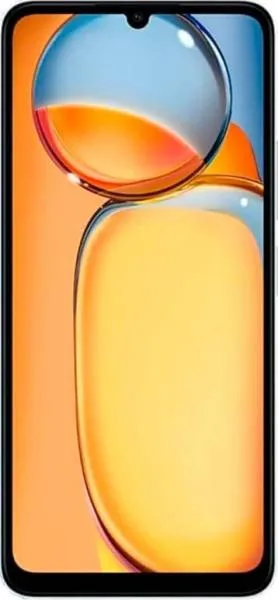
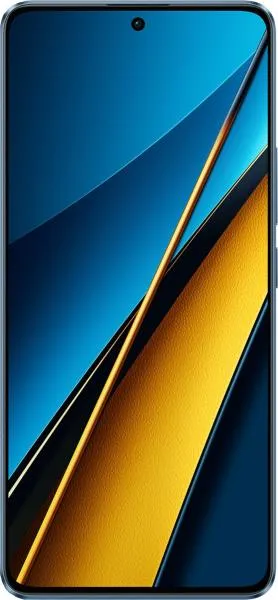
| Feature | Xiaomi Redmi 13C | Xiaomi Poco X6 | Practical Impact |
|---|---|---|---|
| Design | |||
| Dimensions | 168 x 78 x 8.1 mm | 161.2 x 74.3 x 8 mm | Poco X6 is slightly smaller and may feel more comfortable in hand. |
| Weight | 192g | 181g | Poco X6 is noticeably lighter. |
| Build Materials | Not specified | Not specified | Cannot compare build quality without more information. |
| Fingerprint Sensor | Side-mounted | Under display | Preference-dependent; under-display is often perceived as more modern. |
| Display | |||
| Display Type | IPS LCD | AMOLED | Poco X6 offers significantly better contrast, deeper blacks, and more vibrant colors. |
| Display Size | 6.74" | 6.67" | Negligible size difference. |
| Resolution | 720 x 1600 | 1220 x 2712 | Poco X6 boasts much sharper visuals due to higher resolution (HD+ vs. FHD+). |
| Refresh Rate | 90Hz | 120Hz | Poco X6 provides smoother animations and scrolling. |
| Peak Brightness | 600 nits (HBM) | 1800 nits (peak) | Poco X6 will be far more readable in direct sunlight. |
| Performance | |||
| Chipset | Mediatek Helio G85 (12nm) | Snapdragon 7s Gen 2 (4nm) | Poco X6 will deliver significantly better performance and efficiency due to a more powerful and modern chipset. |
| CPU | Octa-core (2x2.0 GHz Cortex-A75 & 6x1.8 GHz Cortex-A55) | Octa-core (4x2.40 GHz Cortex-A78 & 4x1.95 GHz Cortex-A55) | Poco X6 has faster and more powerful CPU cores, resulting in smoother multitasking and faster app loading. |
| GPU | Mali-G52 MC2 | Adreno 710 | Poco X6 offers significantly better graphics performance for gaming and demanding applications. |
| RAM/Storage | 128GB/6GB, 256GB/8GB | 256GB/12GB, 512GB/12GB | Poco X6 offers more RAM and storage in its base configuration, enabling smoother multitasking and ample space for files. |
| Camera | |||
| Video Capabilities | 1080p@30fps | 4K@30fps, 1080p@60fps (EIS) | Poco X6 can record higher resolution video and offers image stabilization. No detailed camera specs provided for proper comparison. |
| Battery | |||
| Capacity | 5000 mAh | 5100 mAh | Negligible difference in battery capacity. Poco X6's more efficient processor might result in better battery life. |
2. Key Differences Analysis
Xiaomi Redmi 13C Advantages:
- Lower Price: Belonging to the "low price" range, it offers a budget-friendly option.
Xiaomi Poco X6 Advantages:
- Superior Display: AMOLED with higher resolution, refresh rate, and peak brightness results in a dramatically better viewing experience.
- Significantly Better Performance: The Snapdragon 7s Gen 2 chipset, coupled with more RAM, ensures smoother multitasking, faster app loading, and better gaming performance.
- Enhanced Camera Capabilities: 4K video recording and Electronic Image Stabilization (EIS) provide superior video quality.
- More Premium Design: Slightly lighter and potentially more comfortable to hold.
3. User Profiles & Recommendations
Xiaomi Redmi 13C: Ideal for budget-conscious users who prioritize basic functionality: calling, texting, web browsing, and light social media usage.
Xiaomi Poco X6: Suited for users who demand a more premium experience with a vibrant display, smooth performance, strong gaming capabilities, and excellent camera features.
4. Decision Framework
Key Questions for Buyers:
- What is your budget? The Redmi 13C is a budget option, while the Poco X6 is a mid-range device.
- What are your primary use cases? For basic tasks, the Redmi 13C might suffice. For demanding tasks like gaming or content creation, the Poco X6 is better.
- How important is display quality? The Poco X6's AMOLED display is vastly superior.
My Choice: Xiaomi Poco X6
While the Redmi 13C offers excellent value for its price, the Poco X6 provides a significantly better overall experience. The superior display, performance, and camera capabilities justify the higher price for me. The difference in user experience would be substantial, especially for tasks like gaming, media consumption, and multitasking. The smoother 120Hz refresh rate and vibrant AMOLED display are crucial for an enjoyable user experience. While I haven't seen specific pricing, the performance and feature upgrades in the Poco X6 make it a worthwhile investment for a user who wants a phone that will last and provide a premium experience.
