1. Specifications Comparison
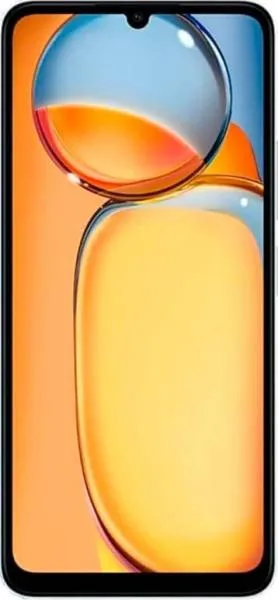
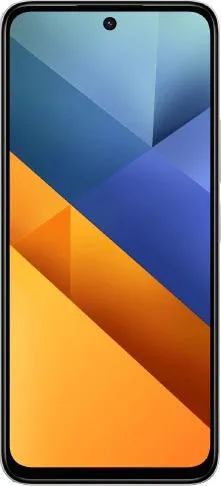
| Feature | Xiaomi Redmi 13C | Xiaomi Poco M6 4G | Practical Impact |
|---|---|---|---|
| Design | |||
| Dimensions | 168 x 78 x 8.1 mm | 168.6 x 76.3 x 8.3 mm | Poco M6 is slightly narrower but thicker. Negligible difference in daily use. |
| Weight | 192g | 205g | Redmi 13C is noticeably lighter, reducing hand fatigue during extended use. |
| Display | |||
| Size | 6.74" | 6.79" | Negligible difference in screen real estate. |
| Type | IPS LCD, 90Hz | IPS LCD, 90Hz | Both offer smooth scrolling and animations thanks to the 90Hz refresh rate. |
| Resolution | 720 x 1600 (HD+) | 1080 x 2460 (FHD+) | Poco M6 has a significantly sharper display, resulting in clearer text and images. |
| Brightness (HBM) | 600 nits | 550 nits | While Redmi 13C boasts a slightly higher peak brightness, real-world difference might be minimal. Both should be usable in sunlight. |
| Performance | |||
| Chipset | Mediatek Helio G85 | Mediatek Helio G91 Ultra | Both are entry-level chipsets. G91 should offer slightly better performance in demanding tasks and gaming. |
| CPU | Octa-core (2x2.0 GHz Cortex-A75 & 6x1.8 GHz Cortex-A55) | Octa-core (2x2.0 GHz Cortex-A75 & 6x1.8 GHz Cortex-A55) | Similar CPU configurations suggest comparable performance in everyday tasks. |
| GPU | Mali-G52 MC2 | Mali-G52 MC2 | Similar GPUs, indicating comparable gaming performance. Poco M6 might have a slight edge due to the slightly more powerful chipset. |
| RAM/Storage | 6/128GB, 8/256GB | 8/256GB | Poco M6 offers more RAM in its base configuration, potentially improving multitasking and app loading times. |
| Other | |||
| OS | Android 13 | Android 14 | Poco M6 ships with a newer Android version, offering potential benefits in terms of features and security updates. |
| Battery | 5000 mAh | 5030 mAh | Negligible difference in battery capacity. Real-world battery life will depend on usage patterns and software optimization. |
| NFC | Yes | Yes | Both support contactless payments and data transfer. |
| USB | USB Type-C 2.0 | USB Type-C | Poco M6's USB standard is not fully specified. Assuming it's at least 2.0, both offer standard charging and data transfer capabilities. |
2. Key Differences Analysis
Xiaomi Redmi 13C Advantages:
- Lighter: Noticeably lighter, making it more comfortable for extended use.
- Potentially More Affordable: Likely priced lower given the lower resolution display and older release date.
Xiaomi Poco M6 4G Advantages:
- Sharper Display: Significantly higher resolution display provides a much better viewing experience.
- More RAM: Offers more RAM, leading to smoother multitasking.
- Newer OS: Comes with Android 14, offering the latest features and longer software support.
- Slightly More Powerful Chipset: Helio G91 Ultra should provide a minor performance boost in demanding games and applications.
Trade-offs:
- Redmi 13C: Lower resolution display for a potentially lower price.
- Poco M6 4G: Heavier and potentially more expensive.
3. User Profiles & Recommendations
Redmi 13C: Ideal for budget-conscious users who prioritize basic functionality, lightweight design, and long battery life. Best for:
- Casual browsing and social media
- Making calls and texting
- Light gaming
Poco M6 4G: Suitable for users who value a better multimedia experience, smoother performance, and the latest software. Best for:
- Gaming
- Watching videos
- Multitasking
4. Decision Framework
Key Questions for Buyers:
- What is your budget? The Redmi 13C is likely more affordable.
- How important is display quality? The Poco M6 4G has a much sharper screen.
- What is your primary use case? Consider whether you need the extra performance and RAM of the Poco M6 4G or if the Redmi 13C's basic functionality is sufficient.
My Choice: Xiaomi Poco M6 4G
While the Redmi 13C offers a lighter design and lower price point, the Poco M6 4G's superior display, improved performance (RAM and chipset), and newer Android version make it a more compelling overall package for me. The slightly higher weight is a minor trade-off for the significantly enhanced user experience offered by the FHD+ display and smoother performance. The newer OS also ensures longer software support and access to the latest features. In the long run, these advantages outweigh the minor weight difference and potential price premium.
