1. Specifications Comparison
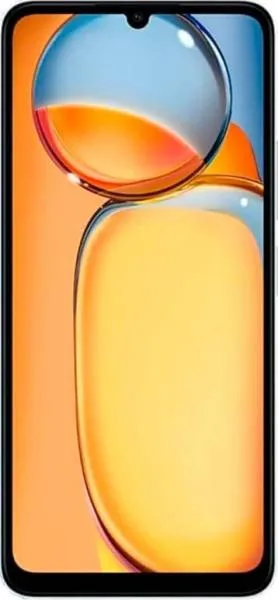
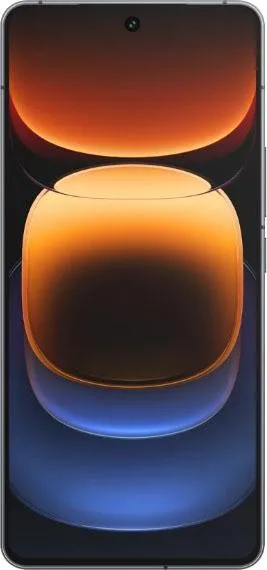
| Feature | Xiaomi Redmi 13C | vivo iQOO 12 | Practical Impact |
|---|---|---|---|
| Design | |||
| Dimensions | 168 x 78 x 8.1 mm | 163.2 x 75.9 x 8.1 mm | iQOO 12 is slightly shorter and narrower, potentially improving one-handed usability. |
| Weight | 192g | 198.5g | Negligible weight difference in practical use. |
| Display | |||
| Display Type | IPS LCD, 90Hz | LTPO AMOLED, 144Hz | iQOO 12 offers significantly better contrast, deeper blacks, and smoother scrolling due to AMOLED and higher refresh rate. |
| Size | 6.74" | 6.78" | Negligible size difference. |
| Resolution | 720 x 1600 | 1260 x 2800 | iQOO 12 has a much sharper display with significantly higher pixel density, resulting in crisper text and images. |
| Peak Brightness | 600 nits (HBM) | 3000 nits (peak) | iQOO 12 will be far more visible in direct sunlight. |
| Performance | |||
| Chipset | Mediatek Helio G85 (12nm) | Snapdragon 8 Gen 3 (4nm) | iQOO 12 offers vastly superior processing power for demanding tasks, gaming, and multitasking. |
| CPU | Octa-core (2x2.0 GHz A75 & 6x1.8 GHz A55) | Octa-core (1x3.3 GHz X4 & 3x3.2 GHz A720 & 2x3.0 GHz A720 & 2x2.3 GHz A520) | iQOO 12's CPU architecture is significantly more powerful and efficient. |
| GPU | Mali-G52 MC2 | Adreno 750 | iQOO 12 provides a dramatically better gaming experience and handles graphics-intensive tasks with ease. |
| RAM/Storage | 128GB/6GB, 256GB/8GB | 512GB/16GB, 1000GB/16GB | iQOO 12 offers much more RAM and storage for smoother multitasking and ample file storage. |
| Camera | |||
| Video Capabilities | 1080p@30fps | Up to 8K@30fps | iQOO 12 offers superior video recording capabilities with higher resolution and frame rates. No detailed camera specs prevent deeper analysis. |
| Battery | |||
| Capacity | 5000 mAh | 5000 mAh | Similar battery capacity, but real-world battery life will depend on software optimization and display efficiency. iQOO's more demanding display may result in shorter battery life despite the same capacity. |
| Other | |||
| OS | Android 13 | Android 14 | iQOO 12 ships with a newer Android version and is likely to receive longer software updates. |
| NFC | Yes | Yes | Both support contactless payments. |
2. Key Differences Analysis
Xiaomi Redmi 13C Advantages:
- Lower Price: Significantly more affordable.
vivo iQOO 12 Advantages:
- Superior Performance: Significantly faster processor, GPU, and more RAM for a smoother and more responsive experience.
- Better Display: Higher resolution, refresh rate, AMOLED technology, and peak brightness for a dramatically improved visual experience.
- More Storage: Larger storage options for storing more apps, photos, and videos.
- Newer OS: Android 14 with likely longer software update support.
- Superior Video Recording: Significantly better video recording capabilities.
3. User Profiles & Recommendations
Xiaomi Redmi 13C: Budget-conscious users who prioritize basic functionality: calling, texting, social media, and light web browsing.
vivo iQOO 12: Users who demand top-tier performance for gaming, demanding applications, content creation, and a premium multimedia experience.
4. Decision Framework
Key Questions:
- What is your budget? The Redmi 13C is a budget option, while the iQOO 12 is a premium device.
- What are your primary use cases? Basic tasks vs. demanding gaming/multitasking.
- How important is display quality? The iQOO 12 offers a vastly superior display.
Scenario-Based Recommendations:
- Tight Budget, Basic Use: Redmi 13C
- Demanding User, Premium Experience: iQOO 12
My Choice: vivo iQOO 12
While the Redmi 13C offers excellent value for its price, the vivo iQOO 12 is the clear winner for me. The significantly improved performance, stunning display, and ample storage are crucial for my workflow and entertainment needs. I prioritize a smooth and responsive user experience, and the iQOO 12's Snapdragon 8 Gen 3, coupled with the 144Hz AMOLED display, delivers exactly that. The higher initial cost is justified by the long-term benefits of a more powerful and future-proof device. While battery life is a concern given the demanding display, I am willing to make that trade-off for the overall superior experience.
