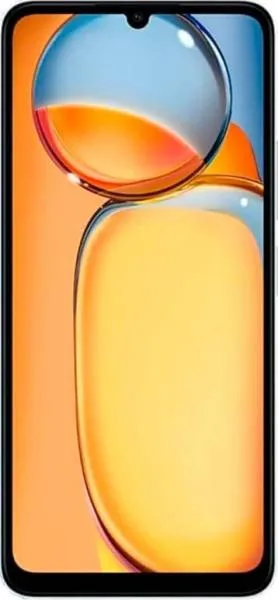
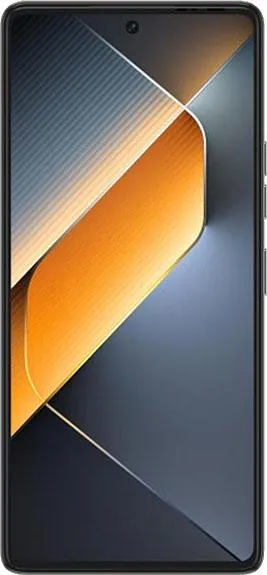
1. Specifications Comparison
| Feature | Xiaomi Redmi 13C | Tecno Pova 6 Pro | Practical Impact |
|---|---|---|---|
| Design | |||
| Dimensions | 168 x 78 x 8.1 mm | 165.5 x 76.1 x 7.9 mm | Pova 6 Pro is slightly smaller and thinner, potentially improving one-handed use. |
| Weight | 192g | 198g | Negligible weight difference. |
| Build Materials | Not specified | Not specified | Cannot compare build quality and durability. |
| Display | |||
| Display Type | IPS LCD | AMOLED | AMOLED offers richer colors, deeper blacks, and better power efficiency for dark mode. |
| Size | 6.74" | 6.78" | Negligible size difference. |
| Resolution | 720 x 1600 (HD+) | 1080 x 2436 (FHD+) | Pova 6 Pro has significantly sharper visuals due to higher resolution. |
| Refresh Rate | 90Hz | 120Hz | Pova 6 Pro provides smoother scrolling and animations. |
| Peak Brightness | 600 nits (HBM) | 1300 nits | Pova 6 Pro is much brighter, ensuring better visibility outdoors. |
| Performance | |||
| Chipset | Mediatek Helio G85 (12nm) | Mediatek Dimensity 6080 (6nm) | Pova 6 Pro's 6nm chipset offers better performance and power efficiency. |
| CPU | Octa-core (2x2.0 GHz A75 & 6x1.8 GHz A55) | Octa-core (2x2.4 GHz A76 & 6x2.0 GHz A55) | Pova 6 Pro has faster CPU cores, leading to improved performance in demanding tasks. |
| GPU | Mali-G52 MC2 | Mali-G57 MC2 | Pova 6 Pro has a more powerful GPU, resulting in better gaming performance. |
| RAM/Storage | 6/128GB, 8/256GB | 12/256GB | Pova 6 Pro offers more RAM, enabling smoother multitasking and better performance with demanding apps. |
| Battery | |||
| Capacity | 5000 mAh | 6000 mAh | Pova 6 Pro offers longer battery life. |
| Charging Speed | Not specified | Not specified | Cannot compare charging speeds. |
| Other | |||
| OS | Android 13 | Android 14 | Pova 6 Pro comes with a newer Android version, offering potential features and security updates. |
| NFC | Yes | Yes | Both support contactless payments. |
| Sensors | accelerometer, compass, Fingerprint (side-mounted) | accelerometer, gyro, proximity, compass, Fingerprint (under display) | Pova 6 Pro has additional sensors (gyro, proximity) for enhanced functionality. |
| Video Capabilities | 1080p@30fps | 1440p@30fps, 1080p@30/60fps | Pova 6 Pro can record higher resolution video and offers higher frame rate options for smoother video. |
2. Key Differences Analysis
Xiaomi Redmi 13C Advantages:
- Lower Price: Likely significantly cheaper than the Pova 6 Pro.
Tecno Pova 6 Pro Advantages:
- Superior Display: AMOLED with higher resolution, refresh rate, and peak brightness for a drastically better viewing experience.
- Significantly Better Performance: More powerful and efficient chipset, faster CPU and GPU, and more RAM.
- Longer Battery Life: Larger battery capacity.
- More Recent Software: Ships with Android 14.
- Enhanced Video Recording: Higher resolution and frame rate options.
Trade-offs:
- The Redmi 13C sacrifices performance, display quality, and battery life for affordability.
- The Pova 6 Pro's higher price might be a barrier for budget-conscious buyers.
3. User Profiles & Recommendations
Redmi 13C: Suitable for users on a tight budget who primarily use their phone for basic tasks like calling, texting, browsing, and social media. Not recommended for gaming or demanding applications.
Pova 6 Pro: Ideal for users who prioritize performance, a great display, and long battery life. Suitable for gamers, content creators, and power users.
4. Decision Framework
Key Questions for Buyers:
- What is your budget? The Redmi 13C is a budget option, while the Pova 6 Pro is a mid-range device.
- What are your primary phone usage patterns? Basic tasks vs. demanding applications and gaming.
- How important is display quality and battery life? The Pova 6 Pro significantly outperforms the Redmi 13C in these areas.
Scenario-Based Recommendations:
- Tight Budget, Basic Usage: Redmi 13C
- Moderate Budget, Balanced Usage: Pova 6 Pro
- Gaming and Multimedia Focus: Pova 6 Pro
My Choice: Tecno Pova 6 Pro
While the Redmi 13C offers a budget-friendly option, the Tecno Pova 6 Pro is the clear winner for me. The significantly improved display (AMOLED, higher resolution and refresh rate), the much more powerful processor and larger RAM, coupled with the bigger battery and newer Android version, make it a far superior device overall. Even with a higher price, the Pova 6 Pro offers a significantly better user experience across the board. The performance difference alone would make a huge difference in daily use, especially in the long run as apps become more demanding. The superior display would also greatly enhance media consumption and overall enjoyment of the device. While I acknowledge budget constraints can be a deciding factor, the long-term benefits and superior user experience of the Pova 6 Pro make it the preferable choice.
