1. Specifications Comparison
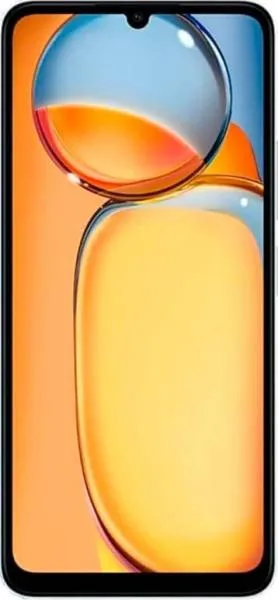
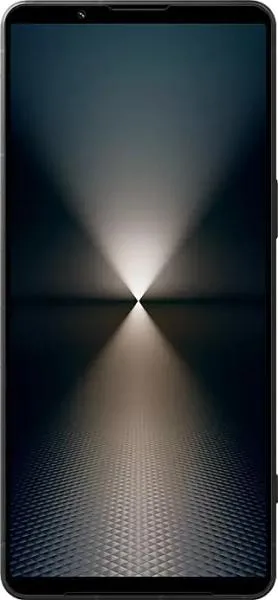
| Feature | Xiaomi Redmi 13C | Sony Xperia 1 VI | Practical Impact |
|---|---|---|---|
| Design | |||
| Dimensions | 168 x 78 x 8.1 mm | 162 x 74 x 8.2 mm | Xperia 1 VI is slightly smaller and thinner, potentially more pocketable. |
| Weight | 192g | 192g | Identical weight. |
| Build Materials | Not specified | Not specified | Cannot compare build quality and durability. |
| Display | |||
| Display Type | IPS LCD, 90Hz | LTPO OLED, 120Hz | Xperia 1 VI offers superior contrast, deeper blacks, and smoother scrolling due to OLED technology and higher refresh rate. Redmi 13C's LCD might be visible in direct sunlight due to higher advertised peak brightness (HBM). |
| Resolution | 720 x 1600 | 1080 x 2340 | Xperia 1 VI has a significantly sharper display with higher pixel density (396 vs 260 ppi), resulting in crisper text and images. |
| Size | 6.74" | 6.5" | Redmi 13C has a larger screen, better for media consumption but potentially less one-hand friendly. |
| Refresh Rate | 90Hz | 120Hz | Xperia 1 VI provides a smoother and more responsive user experience due to the higher refresh rate. |
| Performance | |||
| Chipset | Mediatek Helio G85 (12nm) | Qualcomm Snapdragon 8 Gen 3 (4nm) | Xperia 1 VI boasts a vastly more powerful and efficient processor, enabling significantly better performance in demanding tasks and gaming. |
| CPU | Octa-core (2x2.0 GHz Cortex-A75 & 6x1.8 GHz Cortex-A55) | Octa-core (1x3.3 GHz Cortex-X4 & 3x3.2 GHz Cortex-A720 & 2x3.0 GHz Cortex-A720 & 2x2.3 GHz Cortex-A520) | Xperia 1 VI's CPU offers superior performance across the board. |
| GPU | Mali-G52 MC2 | Adreno 750 | Xperia 1 VI has a much more capable GPU, resulting in significantly better gaming performance and smoother graphics rendering. |
| RAM/Storage | 6/128GB, 8/256GB | 12/512GB | Xperia 1 VI offers more RAM and storage, allowing for smoother multitasking and ample space for apps and files. |
| Camera | |||
| Rear Camera | Not specified | Not specified | Cannot compare camera quality and features. |
| Video | 1080p@30fps | Up to 4K@120fps with HDR, OIS, EIS | Xperia 1 VI offers vastly superior video recording capabilities with higher resolution, frame rates, and advanced stabilization. |
| Battery | |||
| Capacity | 5000mAh | 5000mAh | Same battery capacity, but real-world battery life will depend on software optimization and display efficiency. Xperia 1 VI's more efficient processor and LTPO display could potentially offer better battery life despite the higher refresh rate. |
| Charging Speed | Not specified | Not specified | Cannot compare charging speeds. |
2. Key Differences Analysis
Xiaomi Redmi 13C Advantages:
- Larger Display: Better for media consumption.
- Potentially Lower Price: Belongs to the "low price" range, making it more budget-friendly.
Sony Xperia 1 VI Advantages:
- Significantly Superior Performance: Much faster processor and GPU for demanding tasks and gaming.
- Higher Quality Display: OLED with higher resolution, refresh rate, and better color accuracy.
- More RAM and Storage: Smoother multitasking and ample space for files.
- Advanced Video Recording: Higher resolution, frame rates, and stabilization.
- More Premium Design: Expected based on Sony's design language and the Xperia line.
3. User Profiles & Recommendations
Xiaomi Redmi 13C: Budget-conscious users prioritizing basic smartphone functionality, casual media consumption, and long battery life.
Sony Xperia 1 VI: Users who demand top-tier performance, a premium display, excellent camera capabilities, and the latest Android features. Ideal for mobile gaming, content creation, and power users.
4. Decision Framework
Key Questions:
- What is your budget? The Redmi 13C is significantly more affordable.
- What are your primary use cases? Gaming, content creation, and demanding tasks favor the Xperia 1 VI. Basic communication and casual media consumption can be satisfied by the Redmi 13C.
- How important is display quality and performance? The Xperia 1 VI excels in these areas.
My Choice: Sony Xperia 1 VI
While lacking specific camera details and pricing for both phones limits a full comparison, the Sony Xperia 1 VI is the clear winner for me. Its superior performance, stunning display, and advanced video recording capabilities are compelling. While the Redmi 13C offers a larger display and lower price, the significant performance gap and overall feature set of the Xperia 1 VI make it a much more desirable device for my needs. I prioritize a smooth and responsive user experience, high-quality media consumption, and future-proofing, all of which the Xperia 1 VI delivers. The price difference would be worth the investment for the long-term benefits.
