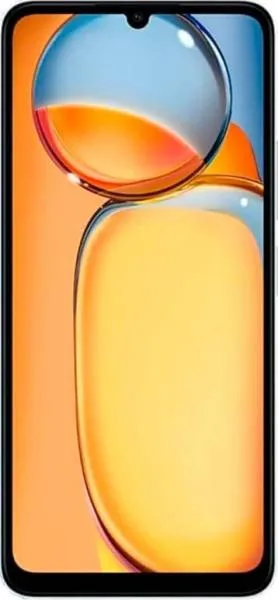
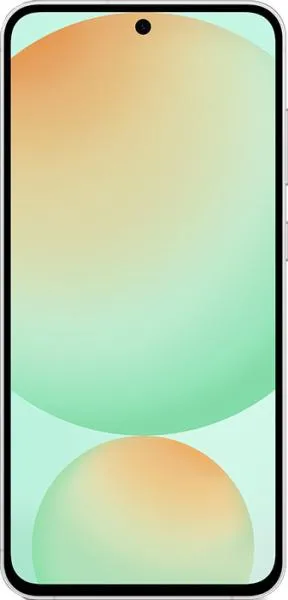
1. Specifications Comparison
| Feature | Xiaomi Redmi 13C | Samsung Galaxy S24 FE | Practical Impact |
|---|---|---|---|
| Design | |||
| Dimensions | 168x78x8.1mm | 162x77.3x8mm | S24 FE is slightly smaller and might feel more comfortable in hand. |
| Weight | 192g | 213g | Redmi 13C is noticeably lighter. |
| Build Materials | Not specified | Not specified | Cannot compare build quality and durability. |
| Display | |||
| Display Type | IPS LCD | Dynamic AMOLED 2X | S24 FE offers significantly better contrast, colors, and viewing angles due to AMOLED technology. |
| Display Size | 6.74" | 6.7" | Negligible size difference. |
| Resolution | 720x1600 (HD+) | 1080x2340 (FHD+) | S24 FE has a much sharper display with significantly higher pixel density (385 vs 260 ppi), resulting in clearer text and images. |
| Refresh Rate | 90Hz | 120Hz | S24 FE provides smoother scrolling and animations, especially noticeable in games and fast-paced content. |
| Peak Brightness | 600 nits (HBM) | 1900 nits | S24 FE will be much more readable in direct sunlight. |
| Performance | |||
| Chipset | Mediatek Helio G85 (12nm) | Exynos 2400e (4nm) | S24 FE boasts a significantly more powerful and efficient processor, enabling smoother multitasking, faster app loading, and better gaming performance. |
| CPU | Octa-core (2x2.0 GHz A75 & 6x1.8 GHz A55) | Deca-core (1x3.1 GHz + 2x2.9 GHz + 3x2.6 GHz + 4x1.95 GHz) | The S24 FE's CPU architecture and higher clock speeds offer a substantial performance advantage. |
| GPU | Mali-G52 MC2 | Xclipse 940 | S24 FE's GPU is considerably more powerful, resulting in superior gaming and graphics performance. |
| RAM/Storage | 6/128GB, 8/256GB | 8/256GB, 8/512GB | S24 FE offers more RAM in the base model and a higher storage option. |
| Camera | |||
| Video Capabilities | 1080p@30fps | Up to 8K@30fps | S24 FE provides significantly better video recording capabilities with higher resolution and frame rate options. Detailed camera specifications (sensor size, aperture) are missing for both phones, limiting a thorough comparison. |
| Battery | |||
| Capacity | 5000mAh | 4700mAh | Redmi 13C has a slightly larger battery capacity, but real-world battery life depends on many factors including software optimization and display efficiency. The S24 FE's more efficient processor might offset the smaller battery. |
| Charging Speed | Not specified | Not specified | Cannot compare charging speeds. |
2. Key Differences Analysis
Xiaomi Redmi 13C Advantages:
- Lower Price: Belongs to the "low price" range, making it significantly more affordable.
- Lighter Weight: Noticeably lighter, potentially more comfortable for extended use.
- Larger Battery Capacity: Potentially longer battery life, although real-world usage will vary.
Samsung Galaxy S24 FE Advantages:
- Superior Display: Significantly better display quality with AMOLED technology, higher resolution, refresh rate, and peak brightness.
- Significantly Faster Performance: Much more powerful processor and GPU, resulting in a smoother and more responsive user experience.
- Better Video Recording: Supports significantly higher video resolutions and frame rates.
- More Premium Design: Likely utilizes higher quality materials although specifics are not provided.
Trade-offs:
- The Redmi 13C sacrifices performance and display quality for affordability.
- The S24 FE comes at a premium price for its advanced features and performance.
3. User Profiles & Recommendations
Xiaomi Redmi 13C:
- Ideal User: Budget-conscious users prioritizing basic functionality and affordability. Suitable for light users focused on calling, texting, web browsing, and social media.
- Use Cases: Casual web browsing, social media, basic photography, and communication.
Samsung Galaxy S24 FE:
- Ideal User: Users seeking a premium experience with a great display, fast performance, and excellent camera capabilities. Suitable for power users, gamers, and content creators.
- Use Cases: Demanding mobile gaming, content creation (photography and videography), multitasking, and consuming media.
4. Decision Framework
Key Questions for Buyers:
- What is your budget? The Redmi 13C is significantly more affordable.
- What are your primary smartphone usage patterns? Light users might find the Redmi 13C sufficient, while power users will appreciate the S24 FE's performance.
- How important is display quality and performance? The S24 FE offers a substantially better visual and performance experience.
My Choice: Samsung Galaxy S24 FE
While the Redmi 13C offers excellent value for its price, the Samsung Galaxy S24 FE is the clear winner for me. The superior display (AMOLED, 120Hz, HDR10+), significantly faster performance (Exynos 2400e, Xclipse 940 GPU), and advanced video recording capabilities (up to 8K) make it a much more compelling device. I prioritize a smooth and responsive user experience, high-quality visuals, and future-proofing, and the S24 FE delivers in those areas. While the price difference is significant, the long-term benefits of a more capable device outweigh the initial cost for my usage patterns. I am willing to pay a premium for a phone that will remain performant and enjoyable to use for an extended period.
