
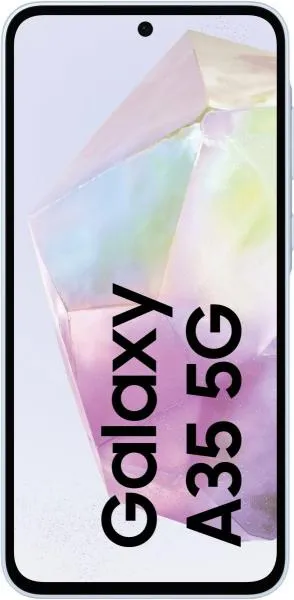
1. Specifications Comparison
| Feature | Xiaomi Redmi 13C | Samsung Galaxy A35 | Practical Impact |
|---|---|---|---|
| Design | |||
| Dimensions | 168 x 78 x 8.1 mm | 161.7 x 78 x 8.2 mm | A35 slightly shorter, negligible difference in overall size. |
| Weight | 192g | 209g | Redmi 13C noticeably lighter, reducing hand fatigue during extended use. |
| Build Materials | Not specified | Not specified | Cannot compare build quality and durability without this information. |
| Display | |||
| Display Type | IPS LCD, 90Hz | Super AMOLED, 120Hz | A35 offers richer colors, deeper blacks, and smoother scrolling due to AMOLED technology and higher refresh rate. |
| Size | 6.74" | 6.6" | Negligible size difference in real-world usage. |
| Resolution | 720 x 1600 (HD+) | 1080 x 2340 (FHD+) | A35 significantly sharper and more detailed due to higher resolution. |
| Brightness | 450 nits (typ), 600 nits (HBM) | 1000 nits (HBM) | A35 significantly brighter, improving outdoor visibility. |
| Performance | |||
| Chipset | Mediatek Helio G85 (12nm) | Exynos 1380 (5nm) | A35 offers significantly better performance and efficiency due to a more advanced and power-efficient 5nm chipset. |
| CPU | Octa-core (2x2.0 GHz Cortex-A75 & 6x1.8 GHz Cortex-A55) | Octa-core (4x2.4 GHz Cortex-A78 & 4x2.0 GHz Cortex-A55) | A35 has faster and more powerful CPU cores, resulting in smoother multitasking and faster app loading. |
| GPU | Mali-G52 MC2 | Mali-G68 MP5 | A35's GPU provides significantly better gaming and graphics performance. |
| RAM | 6GB/8GB | 8GB | A35 offers more RAM in its base configuration, enhancing multitasking capabilities. |
| Storage | 128GB/256GB | 128GB/256GB | Comparable storage options. |
| Camera | |||
| Rear Camera | Not specified | Not specified | Cannot compare camera quality and features without detailed specifications. |
| Video | 1080p@30fps | 4K@30fps, 1080p@30/60fps (EIS) | A35 offers significantly better video recording capabilities, including 4K resolution and Electronic Image Stabilization (EIS). |
| Battery | |||
| Capacity | 5000 mAh | 5000 mAh | Comparable battery capacities. Actual battery life depends on usage and optimization. |
| Other | |||
| OS | Android 13 | Android 14 | A35 ships with a newer Android version, offering potential software features and security updates for a longer period. |
| NFC | Yes | Yes | Both support contactless payments. |
| USB | USB Type-C 2.0 | USB Type-C 2.0, OTG | A35's OTG allows connecting peripherals like flash drives and keyboards. |
| Sensors | Accelerometer, Compass, Fingerprint (side-mounted) | Accelerometer, Gyro, Compass, Fingerprint (under display) | A35 includes a gyroscope for motion sensing and an under-display fingerprint sensor, potentially offering a more premium feel. |
2. Key Differences Analysis
Xiaomi Redmi 13C Advantages:
- Lighter: Noticeably lighter, more comfortable for extended use.
- Lower Price: Expected to be more affordable given the "low price" range.
Samsung Galaxy A35 Advantages:
- Superior Display: AMOLED technology with higher resolution, refresh rate, and brightness.
- Significantly Better Performance: More powerful and efficient chipset, CPU, and GPU.
- Enhanced Camera: Supports 4K video recording and EIS.
- Newer Software: Ships with Android 14 and potentially longer software support.
- More RAM in Base Model: Improved multitasking capabilities.
- Added Features: Gyroscope and under-display fingerprint sensor.
3. User Profiles & Recommendations
Xiaomi Redmi 13C: Budget-conscious users who prioritize basic functionality, calling, texting, and light web browsing.
Samsung Galaxy A35: Users who value performance, a high-quality display, and a more premium experience. Suitable for gaming, media consumption, and multitasking.
4. Decision Framework
Key Questions:
- What is your budget? The Redmi 13C is expected to be significantly cheaper.
- What are your primary smartphone uses? Basic tasks vs. demanding applications and gaming.
- How important is display quality and performance? The A35 excels in these areas.
My Choice: Samsung Galaxy A35
While the Redmi 13C offers a lower price point, the Galaxy A35 provides a significant upgrade in almost every aspect that impacts the user experience. The superior display, significantly improved performance, better camera capabilities, and newer software make it a much more compelling device for long-term use. Even with a potentially higher price, the A35's value proposition is stronger for a broader range of users. The improved performance and features will make daily tasks more enjoyable and prevent the phone from feeling outdated quickly. The lighter weight of the Redmi 13C is a minor advantage compared to the substantial benefits offered by the A35.
