1. Specifications Comparison
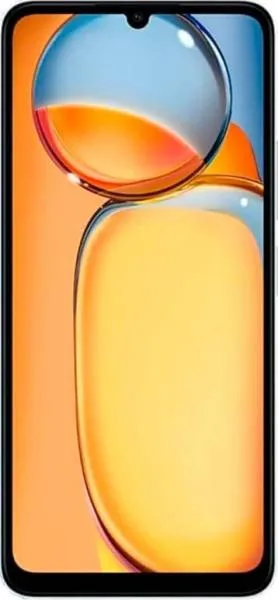
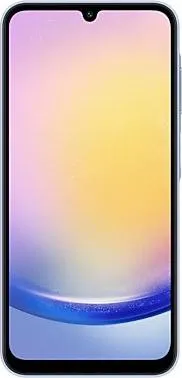
| Feature | Xiaomi Redmi 13C | Samsung Galaxy A25 | Practical Impact |
|---|---|---|---|
| Design | |||
| Dimensions (mm) | 168 x 78 x 8.1 | 161 x 76.5 x 8.3 | The A25 is slightly smaller and thinner, potentially improving one-handed use. |
| Weight (g) | 192 | 197 | Negligible weight difference in practical use. |
| Display | |||
| Size (inches) | 6.74 | 6.5 | The Redmi 13C offers a larger screen for media consumption. |
| Type | IPS LCD | Super AMOLED | AMOLED generally provides richer colors, deeper blacks, and better power efficiency. |
| Resolution | 720 x 1600 (HD+) | 1080 x 2340 (FHD+) | The A25 has a significantly sharper display due to higher resolution. |
| Refresh Rate (Hz) | 90 | 120 | The A25's 120Hz refresh rate will result in smoother animations and scrolling. |
| Brightness (nits) | 450 (typ), 600 (HBM) | 1000 (HBM) | The A25 should offer superior outdoor visibility due to its higher peak brightness. |
| Performance | |||
| Chipset | Mediatek Helio G85 (12nm) | Exynos 1280 (5nm) | The Exynos 1280 is built on a smaller process node, implying better performance and power efficiency. |
| CPU | Octa-core (2x2.0 GHz A75 & 6x1.8 GHz A55) | Octa-core (2x2.4 GHz A78 & 6x2.0 GHz A55) | The A25 boasts faster CPU cores, leading to noticeably better performance in demanding tasks. |
| GPU | Mali-G52 MC2 | Mali-G68 | The A25 has a more powerful GPU, resulting in smoother gaming and faster graphics rendering. |
| RAM/Storage | 128GB/6GB, 256GB/8GB | 256GB/8GB | Redmi offers a 6GB RAM option for a potentially lower price point. |
| Camera | |||
| Video Capabilities | 1080p@30fps | 4K@30fps (EIS), 1080p@30fps (EIS) | The A25 can record in 4K and features Electronic Image Stabilization (EIS) for smoother videos. Missing details on Redmi's camera specs limit a full comparison. |
| Battery | |||
| Capacity (mAh) | 5000 | 5000 | Similar battery capacities, but actual battery life depends on other factors like display and chipset efficiency. |
| Software | |||
| OS | Android 13 | Android 14 | The A25 ships with a newer Android version and has longer guaranteed OS updates (up to Android 18). |
2. Key Differences Analysis
Xiaomi Redmi 13C Advantages:
- Larger Display: Better for media consumption.
- Potentially Lower Price: Offers a lower storage/RAM configuration that could translate to a lower price.
Samsung Galaxy A25 Advantages:
- Superior Display: AMOLED technology, higher resolution, refresh rate, and brightness provide a significantly better visual experience.
- Significantly Better Performance: More powerful chipset and CPU/GPU result in smoother multitasking and gaming.
- Better Camera: 4K video recording and EIS offer superior video quality.
- Newer Software: Android 14 with longer OS update support.
3. User Profiles & Recommendations
Xiaomi Redmi 13C: Budget-conscious users who prioritize a large screen for basic tasks like browsing and video playback. Suitable for casual users who don't demand high performance.
Samsung Galaxy A25: Users who value a premium display, smooth performance for gaming and demanding applications, and a capable camera. Suitable for power users, photographers/videographers, and those who want the latest software and features.
4. Decision Framework
Key Questions for Buyers:
- What is your budget? The Redmi 13C is likely significantly cheaper.
- What are your primary use cases? Casual use vs. demanding tasks and gaming.
- How important is display quality and performance? The A25 offers a substantial upgrade in these areas.
Scenario-Based Recommendations:
- Tight Budget, Basic Use: Redmi 13C
- Balanced Budget, Everyday Use with Some Gaming: Galaxy A25
- Prioritize Performance, Camera, and Long-Term Software Updates: Galaxy A25
My Choice: Samsung Galaxy A25
While the Redmi 13C offers a larger display and a potentially lower price, the Galaxy A25 provides a significantly better overall experience due to its superior AMOLED display, much more powerful processor, better camera, and newer software with longer update support. The performance difference alone would be significant in day-to-day use, making the A25 a more future-proof choice. Even with a price premium, the A25's advantages justify the extra cost for most users beyond those strictly on the tightest budgets.
