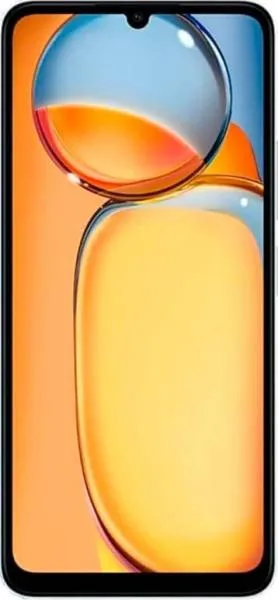
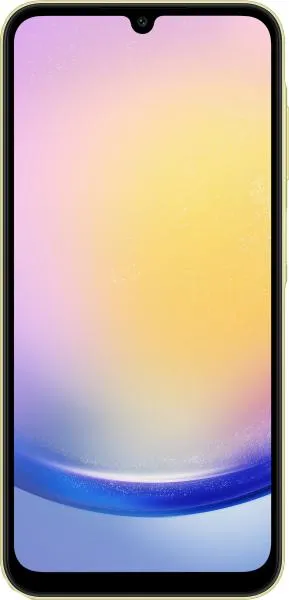
1. Specifications Comparison
| Feature | Xiaomi Redmi 13C | Samsung Galaxy A15 | Practical Impact |
|---|---|---|---|
| Design | |||
| Dimensions | 168 x 78 x 8.1 mm | 160.1 x 76.8 x 8.4 mm | The A15 is slightly shorter, narrower, but thicker. The Redmi 13C might feel slightly larger in hand. |
| Weight | 192g | 200g | The Redmi 13C is slightly lighter, potentially more comfortable for extended use. |
| Build | Not specified | Not specified | Build materials impact durability and premium feel. This information is missing. |
| Display | |||
| Size | 6.74" | 6.5" | The Redmi 13C offers a larger screen for more immersive media consumption. |
| Type | IPS LCD | Super AMOLED | AMOLED generally offers richer colors, deeper blacks, and better power efficiency. The Redmi 13C's LCD might appear washed out in comparison. |
| Resolution | 720 x 1600 (HD+) | 1080 x 2340 (FHD+) | The A15's significantly higher resolution results in sharper text and images. |
| Refresh Rate | 90Hz | 90Hz | Both offer smooth scrolling and animations. |
| Brightness (HBM) | 600 nits | 800 nits | The A15 should be more readable in direct sunlight. |
| Performance | |||
| Chipset | Mediatek Helio G85 (12nm) | Mediatek Helio G99 (6nm) | The Helio G99 in the A15 is built on a smaller process node, likely resulting in better performance and power efficiency. |
| CPU | Octa-core (2x2.0 GHz A75 & 6x1.8 GHz A55) | Octa-core (2x2.2 GHz A76 & 6x2.0 GHz A55) | The A15 has a faster and more modern CPU architecture, leading to smoother multitasking and app performance. |
| GPU | Mali-G52 MC2 | Mali-G57 MC2 | The A15 boasts a more powerful GPU, enabling better gaming performance and smoother graphics rendering. |
| RAM/Storage | 128GB/6GB, 256GB/8GB | 128GB/6GB, 128GB/8GB, 256GB/8GB | Both offer ample storage options. RAM configurations are similar, with slight variations. |
| Battery | |||
| Capacity | 5000 mAh | 5000 mAh | Similar battery capacities suggest comparable battery life, but real-world usage will depend on software optimization and display type. |
| Software | |||
| OS | Android 13 | Android 14 | The A15 ships with a newer Android version and is promised updates to Android 17, guaranteeing longer software support and security updates. |
| Other | |||
| NFC | Yes | Yes | Both support contactless payments. |
| USB | USB Type-C 2.0 | USB Type-C 2.0 | Standard charging and data transfer speeds. |
| Sensors | Accelerometer, Compass, Fingerprint (side) | Accelerometer, Compass, Fingerprint (side) | Both offer basic sensor functionality. |
| Video Recording | 1080p@30fps | 1080p@30fps | Both can record Full HD video. No information on video stabilization is available. |
2. Key Differences Analysis
Xiaomi Redmi 13C Advantages:
- Larger Display: Better for media consumption.
- Lighter Weight: More comfortable for extended use.
- Potentially Lower Price: Given the "low price" designation, likely more affordable.
Samsung Galaxy A15 Advantages:
- Significantly Better Display: AMOLED technology, higher resolution, and brighter screen.
- Superior Performance: More powerful chipset, CPU, and GPU for smoother multitasking and gaming.
- Newer Software & Longer Support: Ships with Android 14 and guaranteed updates to Android 17.
Trade-offs:
- Redmi 13C: Sacrifices performance, display quality, and software support for a larger screen and potentially lower price.
- A15: Slightly smaller display and heavier weight for significantly better performance and a superior AMOLED display.
3. User Profiles & Recommendations
Redmi 13C: Budget-conscious users who prioritize a large screen for media consumption and basic functionality. Suitable for casual browsing, social media, and video watching.
A15: Users who value a good balance of performance, display quality, and software support. Suitable for moderate gaming, multitasking, and photography.
4. Decision Framework
Key Questions:
- What is your budget? The Redmi 13C is likely much cheaper.
- What are your primary use cases? (e.g., gaming, media consumption, social media)
- How important is long-term software support? The A15 has a clear advantage here.
Scenario-Based Recommendations:
- Tight budget, basic usage: Redmi 13C
- Moderate budget, balanced performance and features: A15
My Choice: Samsung Galaxy A15
While the Redmi 13C might be tempting for its larger display and lower price, the Samsung Galaxy A15 offers a significantly better overall package. The superior AMOLED display, faster processor, more powerful GPU, and longer software support make it a more future-proof device. The slightly smaller screen size and marginally heavier weight are minor compromises compared to the substantial gains in performance and user experience. The promise of Android updates up to version 17 provides a significant advantage in terms of security and longevity. For a moderate price increase, the A15 offers a much more compelling value proposition.
