
1. Specifications Comparison
| Feature | Xiaomi Redmi 13C | Realme Note 50 | Practical Impact |
|---|---|---|---|
| Design | |||
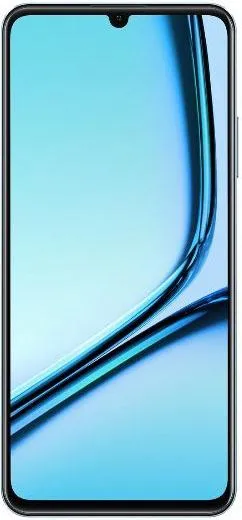
| Dimensions | 168 x 78 x 8.1 mm | 167.2 x 76.7 x 8 mm | Realme Note 50 is slightly narrower and marginally thinner, potentially offering a slightly improved grip for some users. |
| Weight | 192g | 186g | The Realme Note 50 is noticeably lighter, making it more comfortable for extended use. |
| Display | |||
| Size | 6.74" | 6.74" | Identical screen sizes. |
| Type | IPS LCD, 90Hz | IPS LCD, 90Hz | Both offer smooth scrolling and animations thanks to the 90Hz refresh rate. IPS LCD technology suggests vibrant colors but potentially less impressive blacks compared to OLED displays. |
| Resolution | 720 x 1600 | 720 x 1600 | Identical resolution; sharpness and detail will be comparable. At this size, pixelation might be noticeable. |
| Peak Brightness | 600 nits (HBM) | 560 nits | The Redmi 13C boasts slightly higher peak brightness, offering better visibility in direct sunlight. However, the typical brightness is not specified for the 13C, making a direct comparison difficult. |
| Performance | |||
| Chipset | Mediatek Helio G85 (12nm) | Unisoc Tiger T612 (12nm) | The Helio G85 generally benchmarks slightly higher than the Tiger T612, suggesting potentially smoother performance in demanding tasks and gaming on the Redmi 13C. |
| CPU | Octa-core (2x2.0 GHz Cortex-A75 & 6x1.8 GHz Cortex-A55) | Octa-core (2x1.8 GHz Cortex-A75 & 6x1.8 GHz Cortex-A55) | The Redmi 13C has slightly faster performance cores, likely resulting in snappier app loading and multitasking. |
| GPU | Mali-G52 MC2 | Mali-G57 | The Mali-G57 in the Realme Note 50 is generally considered a more powerful GPU, potentially offering better gaming performance. |
| RAM/Storage | 128GB/6GB, 256GB/8GB | 128GB/4GB | The Redmi 13C offers more RAM options, including a higher 8GB configuration, which will significantly improve multitasking and overall system responsiveness. The 4GB RAM on the Realme Note 50 might lead to performance limitations with heavy usage. |
| Other | |||
| Battery | 5000 mAh | 5000 mAh | Similar battery capacities suggest comparable battery life, though actual usage will depend on software optimization and individual use patterns. |
| NFC | Yes | No | The Redmi 13C supports NFC for contactless payments and data transfer, a feature absent in the Realme Note 50. This is a significant advantage for many users. |
| Sensors | Accelerometer, Compass, Fingerprint (side-mounted) | Accelerometer, Proximity, Compass, Fingerprint (side-mounted) | Both phones feature essential sensors. The Realme Note 50 adds a proximity sensor, primarily used for turning off the screen during calls. |
2. Key Differences Analysis
Xiaomi Redmi 13C Advantages:
- Slightly better CPU Performance: The faster Cortex-A75 cores in the Helio G85 will result in a more responsive user experience.
- More RAM Options: Availability of 6GB and 8GB RAM configurations significantly enhances multitasking capabilities.
- NFC Support: Enables contactless payments and other NFC-based functionalities.
Realme Note 50 Advantages:
- Potentially Better GPU: The Mali-G57 might offer a slight edge in gaming performance.
- Lighter Weight: More comfortable for extended use.
- Slightly Smaller Form Factor: Marginally improved handling.
3. User Profiles & Recommendations
Xiaomi Redmi 13C: Suitable for users who prioritize performance, multitasking, and NFC functionality. Ideal for those who frequently use their phones for productivity tasks, gaming, and mobile payments.
Realme Note 50: Best suited for budget-conscious users who prioritize a lightweight and comfortable phone for basic tasks like calling, messaging, and web browsing. Gamers on a tight budget might also find the GPU appealing.
4. Decision Framework
Key Questions for Buyers:
- Is NFC crucial for your daily usage? If you rely on contactless payments, the Redmi 13C is the clear winner.
- What is your budget and RAM requirement? The Redmi 13C offers more RAM options but might be slightly more expensive.
- Is gaming a primary use case? While benchmarks suggest the Mali-G57 might be better for gaming, real-world performance needs further investigation. Neither phone is ideal for high-end gaming.
My Choice: Xiaomi Redmi 13C
While the Realme Note 50 is lighter and potentially has a slight edge in GPU performance, the Xiaomi Redmi 13C offers a more well-rounded package. The inclusion of NFC, the availability of higher RAM options (6GB/8GB) for better multitasking, and the slightly faster CPU make it a more compelling device for everyday use. These features outweigh the minor benefits of the Realme Note 50, especially considering they are both in the same "low price" range. The slightly higher weight of the Redmi 13C is a negligible trade-off for the added functionality and performance. The lack of NFC on the Realme Note 50 is a significant omission in today's market.
