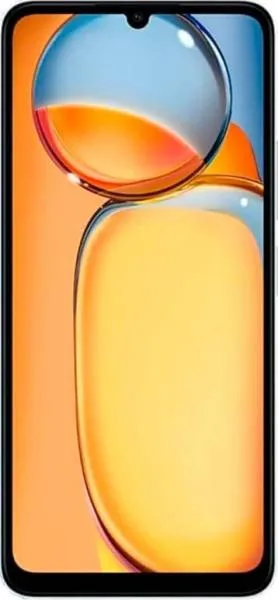
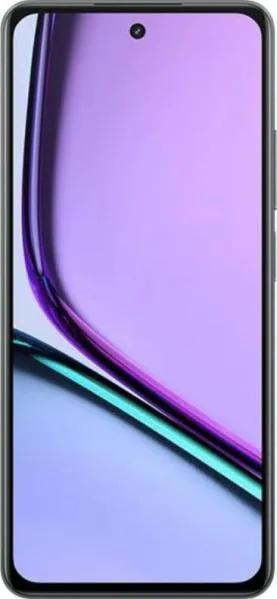
1. Specifications Comparison
| Feature | Xiaomi Redmi 13C | Realme C67 | Practical Impact |
|---|---|---|---|
| Design | |||
| Dimensions (mm) | 168 x 78 x 8.1 | 165.7 x 76 x 7.9 | Realme C67 is slightly smaller and thinner, making it potentially more pocketable. |
| Weight (g) | 192 | 190 | Negligible weight difference in practical usage. |
| Display | |||
| Size (inches) | 6.74 | 6.72 | Virtually identical screen real estate. |
| Type | IPS LCD | IPS LCD | Both offer similar color accuracy and viewing angles, typical of LCD technology. |
| Resolution | 720x1600 | 1080x2400 | Realme C67 offers significantly sharper visuals due to higher resolution (HD+ vs. Full HD+). |
| Refresh Rate (Hz) | 90 | 120 | Realme C67 provides smoother scrolling and animations thanks to the higher refresh rate. |
| Brightness (nits) | 450/600 | 550/680 | Realme C67 offers better visibility in bright sunlight due to higher peak brightness. |
| Performance | |||
| Chipset | Helio G85 (12nm) | Dimensity 6100+ (6nm) | Realme C67 boasts a significantly more powerful and efficient processor, resulting in much better performance and battery life. |
| CPU | 2x2.0 GHz A75, 6x1.8 GHz A55 | 2x2.2 GHz A76, 6x2.0 GHz A55 | Realme C67 has faster and more modern CPU cores, translating to smoother multitasking and app loading. |
| GPU | Mali-G52 MC2 | Mali-G57 MC2 | Realme C67 offers notably better graphics performance for gaming and demanding applications. |
| RAM/Storage | 128/6, 256/8 | 128/6 | Redmi 13C offers a 256GB storage option, providing more space for files and apps. |
| Other | |||
| Battery Capacity (mAh) | 5000 | 5000 | Identical battery capacity, though real-world battery life will depend on usage and optimization (Realme likely better). |
| NFC | Yes | No | Redmi 13C supports contactless payments and data transfer via NFC. |
| OS | Android 13 | Android 13 | Both phones run on the same operating system. |
| Price Range | Low | Medium | Redmi 13C is expected to be more affordable. |
2. Key Differences Analysis
Redmi 13C Advantages:
- Lower Price: Significantly more budget-friendly.
- NFC: Supports contactless payments.
- Storage Options: Offers a higher storage variant (256GB).
Realme C67 Advantages:
- Significantly Better Performance: The Dimensity 6100+ chipset vastly outperforms the Helio G85, resulting in a smoother user experience across all tasks.
- Higher Resolution and Refresh Rate Display: Provides sharper visuals and smoother animations.
- Brighter Display: Improved outdoor visibility.
- More Efficient Chipset: Likely translates to better battery life despite same capacity.
Trade-offs:
- Redmi 13C sacrifices performance and display quality for a lower price.
- Realme C67 lacks NFC functionality and offers limited storage options for its price point.
3. User Profiles & Recommendations
Redmi 13C: Ideal for budget-conscious users who prioritize basic functionality like calling, texting, web browsing, and light social media usage. NFC is a bonus for contactless payments.
Realme C67: Suitable for users who value performance, smoother user experience, and a better display. Good for gaming, media consumption, and multitasking.
4. Decision Framework
Key Questions for Buyers:
- What is your budget? If price is the primary concern, the Redmi 13C is the more affordable option.
- What is your primary usage? For demanding tasks like gaming or media consumption, the Realme C67 is superior. For basic usage, the Redmi 13C suffices.
- How important is NFC? If contactless payments are essential, the Redmi 13C is the only option.
Scenario-Based Recommendations:
- Student on a tight budget: Redmi 13C
- Casual gamer: Realme C67
- User who prioritizes battery life and performance: Realme C67
- User who needs contactless payments above all else: Redmi 13C
My Choice: Realme C67
While the Redmi 13C offers a compelling price, the performance difference due to the vastly superior chipset in the Realme C67 is the deciding factor for me. The smoother display, higher resolution, and better brightness also contribute significantly to a better overall user experience. I personally prioritize a fluid and responsive phone and am willing to pay a bit more for it. The lack of NFC is a drawback, but for me, the performance benefits outweigh this inconvenience. I would likely opt for a mobile payment solution that doesn't rely on NFC. The limited storage is somewhat concerning, but manageable with cloud storage solutions.
