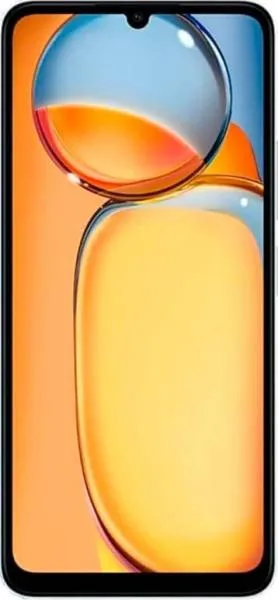
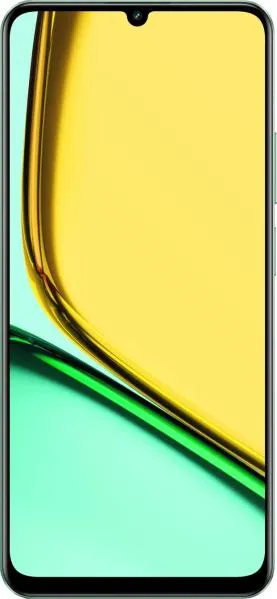
1. Specifications Comparison
| Feature | Xiaomi Redmi 13C | Realme C61 | Practical Impact |
|---|---|---|---|
| Design | |||
| Dimensions | 168 x 78 x 8.1 mm | 167.3 x 76.7 x 7.8 mm | Realme C61 is slightly smaller and thinner, potentially offering a better hand feel. |
| Weight | 192g | 188g | Realme C61 is slightly lighter, making it more comfortable for extended use. |
| Build Materials | Not specified | Not specified | Cannot compare build quality and durability without more information. |
| Display | |||
| Size | 6.74" | 6.74" | Identical screen sizes provide the same viewing area. |
| Type | IPS LCD | IPS LCD | Both offer similar color accuracy and viewing angles, typical of LCDs. |
| Resolution | 720x1600 | 720x1600 | Identical resolution; sharpness and pixel density will be the same. |
| Refresh Rate | 90Hz | 90Hz | Both offer smooth scrolling and animations thanks to the 90Hz refresh rate. |
| Peak Brightness | Unspecified (450 typical, 600 HBM) | Unspecified (450 typical, 560 HBM) | Redmi 13C might be slightly brighter in direct sunlight due to the 600 nits HBM, though the practical difference might be minimal. |
| Performance | |||
| Chipset | Mediatek Helio G85 (12nm) | Unisoc Tiger T612 (12nm) | Helio G85 generally benchmarks slightly higher than the T612, potentially resulting in smoother performance in demanding tasks and gaming. |
| CPU | Octa-core (2x2.0 GHz Cortex-A75 & 6x1.8 GHz Cortex-A55) | Octa-core (2x1.8 GHz Cortex-A75 & 6x1.8 GHz Cortex-A55) | The Redmi 13C has a slightly faster CPU clock speed on its performance cores, potentially offering a slight edge in responsiveness. |
| GPU | Mali-G52 MC2 | Mali-G57 | Mali-G57 generally performs better in graphics-intensive tasks than the Mali-G52 MC2, potentially providing a smoother gaming experience on the Realme C61. |
| RAM/Storage | 128GB/6GB, 256GB/8GB | 256GB/6GB | Redmi offers a configuration with 8GB RAM, which can improve multitasking performance. Both offer ample storage with 256GB options. |
| Battery | |||
| Capacity | 5000mAh | 5000mAh | Identical battery capacities suggest similar battery life, though actual usage will depend on software optimization and user habits. |
| Other | |||
| OS | Android 13 | Android 14 | Realme C61 comes with a newer Android version, offering potential benefits in terms of features, security, and performance optimizations. |
| NFC | Yes | No | Redmi 13C supports contactless payments and data transfer via NFC, a feature absent in the Realme C61. |
| USB | USB Type-C 2.0 | USB Type-C | While both use USB-C, the specific USB version on the Realme isn't stated, limiting a detailed comparison of data transfer speeds. |
| Sensors | Accelerometer, Compass, Fingerprint (side) | Accelerometer, Gyro, Proximity, Compass, Fingerprint (side) | Realme C61 includes a gyroscope sensor, important for certain AR applications and gaming experiences. |
2. Key Differences Analysis
Xiaomi Redmi 13C Advantages:
- Slightly faster CPU: Potentially better responsiveness.
- NFC: Enables contactless payments and data transfer.
- 8GB RAM option: Improved multitasking performance.
- Potentially Brighter Display: Marginally brighter in direct sunlight.
Realme C61 Advantages:
- Newer Android Version: Access to newer features and security updates.
- Potentially Better GPU: Smoother gaming experience.
- Lighter and Slimmer: More comfortable to hold and use.
- Gyroscope: Enhanced gaming and AR experiences.
3. User Profiles & Recommendations
Xiaomi Redmi 13C: Suitable for users who prioritize NFC for contactless payments, need good multitasking capabilities, and want a potentially brighter display.
Realme C61: Best for users who value a newer Android experience, prioritize gaming performance, and prefer a lighter and slimmer phone.
4. Decision Framework
Key Questions:
- Is NFC crucial for your daily use? If yes, the Redmi 13C is the clear choice.
- Are you a mobile gamer? If gaming is a priority, the Realme C61's potentially superior GPU might be beneficial.
- How important is having the latest Android version? If software updates are important, the Realme C61 with Android 14 is preferable.
My Choice: Xiaomi Redmi 13C
Reasoning: While the Realme C61 offers a potentially better gaming experience and newer OS, the inclusion of NFC in the Redmi 13C is a significant factor for me. Contactless payments are a crucial part of my daily routine, and the potential performance differences between the two phones are unlikely to be noticeable for my average usage. The option for 8GB of RAM in the Redmi 13C also provides a future-proofing aspect for multitasking. The slightly brighter display, although not confirmed, is a welcome addition for outdoor use. While the Realme C61 is lighter and slimmer, the difference is marginal. Ultimately, NFC functionality outweighs the other benefits offered by the Realme C61 for my personal needs.
