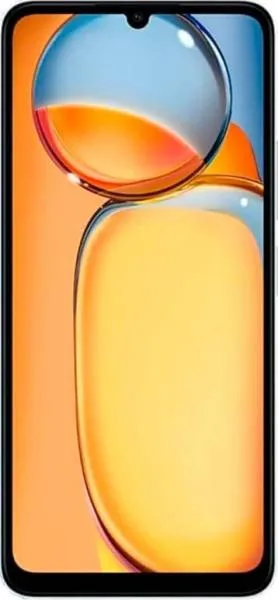
Xiaomi Redmi 13C vs. 8: A Deep Dive
Let's dissect the Xiaomi Redmi 13C and the enigmatic "8" (assuming it's a flagship or high-end model given its specs) to see how they stack up for real-world use.
1. Specifications Breakdown
| Feature | Xiaomi Redmi 13C | 8 | Real-World Implications |
|---|---|---|---|
| Design | |||
| Dimensions | 168x78x8.1mm | 162x75.1x8.7mm | 8 is slightly more compact and thinner. 13C might feel bulkier. |
| Weight | 192g | 191g | Negligible weight difference. |
| Display | |||
| Size | 6.74" | 6.78" | Both offer large screens suitable for media consumption. 8's slightly larger display might offer a marginally more immersive experience. |
| Type | IPS LCD, 90Hz | LTPO AMOLED, 120Hz | 8 boasts a superior display with richer colors, deeper blacks, smoother scrolling due to the higher refresh rate, and significant power savings thanks to LTPO. |
| Resolution | 720x1600 | 1264x2780 | 8 offers significantly sharper visuals due to its much higher resolution. 13C's lower resolution will be noticeable. |
| Brightness | 600 nits (HBM) | 6000 nits (peak) | 8's display will be far more visible in direct sunlight. 13C's display may appear washed out in bright conditions. |
| Performance | |||
| Chipset | Helio G85 (12nm) | Snapdragon 7+ Gen 3 (4nm) | 8's processor is considerably more powerful, leading to much faster performance in demanding apps and games. 13C is suited for basic tasks. |
| CPU | Octa-core (2.0 GHz) | Octa-core (2.8 GHz) | 8's CPU offers significantly higher clock speeds, translating to smoother multitasking and faster app loading times. |
| GPU | Mali-G52 MC2 | Adreno 732 | 8's GPU delivers a vastly improved gaming experience with higher frame rates and detailed graphics. 13C will struggle with demanding games. |
| RAM | 6/8GB | 12GB | 8's larger RAM enables smoother multitasking and better handling of demanding applications. |
| Storage | 128/256GB | 512GB | 8 provides ample storage for power users. |
| Battery | |||
| Capacity | 5000 mAh | 5500 mAh | While 8 has a slightly larger battery, its power-efficient display and processor might result in comparable or even better battery life. |
| Other | |||
| OS | Android 13 | Android 14 | 8 comes with the latest Android version offering potential feature and security advantages. |
| Price Range | Low | Medium | 13C is significantly more affordable. |
2. Key Insights
The Redmi 13C is a budget-friendly device targeting users who prioritize basic functionality and affordability. Its strengths lie in its large display (despite the lower resolution) and long battery life.
The 8 is a clear powerhouse designed for demanding users. Its superior processor, stunning display, ample RAM and storage, and advanced camera capabilities place it in a different league. The LTPO AMOLED display technology in the "8" is a game-changer, allowing for dynamic refresh rate adjustments that significantly improve battery life without compromising smoothness.
3. User Profiles and Recommendations
Redmi 13C: Ideal for casual users primarily using their phones for calling, texting, social media browsing, and light gaming. Students, budget-conscious individuals, or those seeking a secondary device would find this suitable.
8: Perfect for power users, gamers, content creators, and anyone who demands top-tier performance and a premium multimedia experience.
4. Buying Decision Framework
- What is your budget? If price is a major constraint, the Redmi 13C is the obvious choice.
- What are your primary use cases? For basic tasks, the 13C suffices. For demanding applications and gaming, the 8 is essential.
- How important is display quality? If you value a vibrant, sharp, and bright display, the 8's AMOLED screen is a significant upgrade.
My Choice
If I were choosing between these two, I'd go for the 8. While the Redmi 13C offers excellent value for its price, I prioritize a smooth, responsive user experience, a vibrant display, and the ability to handle demanding tasks without lag. The 8's superior processor, stunning LTPO AMOLED display, and ample RAM are compelling. I'm willing to invest in a device that can keep pace with my workflow and provide a premium multimedia experience. The long-term value proposition of a more powerful and feature-rich device outweighs the initial cost savings for me. The improved battery efficiency offered by the LTPO display and the more efficient 4nm chipset in the 8 also suggests it could potentially offer similar battery life despite having a slightly more demanding display and faster processor.
