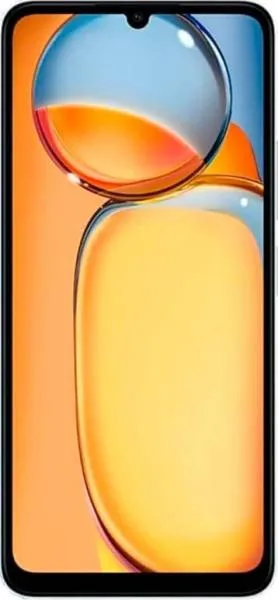

Xiaomi Redmi 13C vs. Oppo Reno11: A Deep Dive
Let's dissect the Xiaomi Redmi 13C and the Oppo Reno11, two phones vying for your attention in different price segments. We'll go beyond the spec sheet to uncover what these numbers really mean for your daily life.
1. Specifications Breakdown
| Feature | Xiaomi Redmi 13C | Oppo Reno11 | Real-World Implications |
|---|---|---|---|
| Design | |||
| Dimensions | 168x78x8.1mm | 162.4x74.3x7.9mm | Reno11 is noticeably more compact, potentially easier for one-handed use. |
| Weight | 192g | 182g | Reno11 is lighter, improving comfort for extended use. |
| Display | |||
| Type | IPS LCD, 90Hz | AMOLED, 120Hz | Reno11 offers deeper blacks, vibrant colors, and smoother scrolling. |
| Resolution | 720x1600 | 1080x2412 | Reno11 has significantly sharper visuals due to higher resolution and pixel density. |
| Peak Brightness | 600 nits (HBM) | 950 nits (peak) | Reno11 excels in outdoor visibility. |
| Performance | |||
| Chipset | Helio G85 (12nm) | Dimensity 7050 (6nm) | Reno11 boasts a more powerful and efficient processor, leading to faster performance. |
| CPU | Octa-core (2x2.0 GHz Cortex-A75 & 6x1.8 GHz Cortex-A55) | Octa-core (2x2.6 GHz Cortex-A78 & 6x2.0 GHz Cortex-A55) | Reno11 provides significantly improved CPU performance for demanding tasks and multitasking. |
| GPU | Mali-G52 MC2 | Mali-G68 MC4 | Reno11 handles graphically intensive tasks and games more smoothly. |
| RAM | 6/8GB | 12GB | Reno11 offers more RAM for smoother multitasking and app switching. |
| Storage | 128/256GB | 256GB | Both offer ample storage, though Redmi 13C has a lower-tier option. |
| Camera | |||
| Video Capabilities | 1080p@30fps | Up to 4K@30fps, slow-motion up to 960fps | Reno11 offers vastly superior video recording capabilities including 4K and high frame rate slow-motion |
| Battery | |||
| Capacity | 5000mAh | 5000mAh | Similar battery capacities suggest comparable battery life, though real-world usage will vary. |
| Other | |||
| OS | Android 13 | Android 14 | Reno11 ships with a newer Android version, potentially offering more features and longer software support. |
| Price Range | Low | Medium | Redmi 13C targets budget-conscious buyers, while Reno11 commands a higher price. |
2. Key Insights
The Redmi 13C is a budget-friendly device prioritizing affordability. Its strengths lie in its large display for media consumption and a long-lasting battery. However, it compromises on processing power, display quality, and camera features.
The Oppo Reno11, positioned in the mid-range segment, offers a significantly superior experience with a vibrant AMOLED display, a powerful processor, more RAM, and advanced camera capabilities. Its sleek design and lighter weight further enhance its appeal. The higher refresh rate display will also provide a much smoother user experience.
3. User Profiles and Recommendations
Redmi 13C: Ideal for users on a tight budget who prioritize basic smartphone functions like calling, texting, browsing, and social media. It is suitable for light gaming and media consumption but may struggle with more demanding tasks.
Oppo Reno11: Suited for users who demand a well-rounded experience with smooth performance, a vibrant display, excellent camera capabilities, and the latest software. It's a good choice for mobile gamers, content creators, and those who value a premium feel.
4. Buying Decision Framework
- What is your budget? If price is your primary concern, the Redmi 13C is the clear choice.
- What are your primary smartphone uses? For basic tasks, the Redmi 13C suffices. For demanding applications, gaming, and content creation, the Reno11 is necessary.
- How important is display quality and overall performance? The Reno11 significantly outperforms the Redmi 13C in these areas.
My Choice: Oppo Reno11
If I were choosing between these two, I'd go for the Oppo Reno11. While the Redmi 13C offers excellent value for its price, the Reno11's superior display, significantly faster processor, increased RAM, and advanced camera capabilities are compelling. The smoother user experience afforded by the AMOLED display and faster refresh rate significantly enhance daily use. The price difference is justifiable for the noticeable jump in performance and overall quality. For me, the investment in a smoother, more responsive, and feature-rich device is worth the extra cost.
