1. Specifications Comparison
| Feature | Xiaomi Redmi 13C | Nothing Phone (2a) | Practical Impact |
|---|---|---|---|
| Design | |||
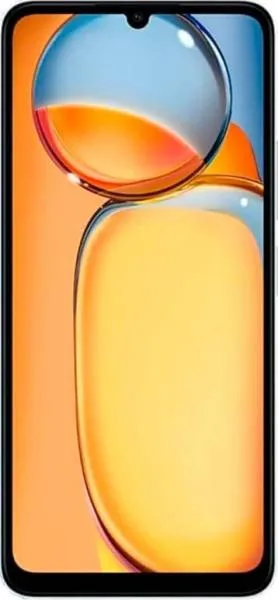
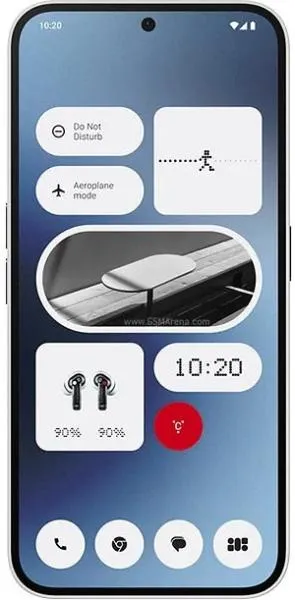
| Dimensions | 168 x 78 x 8.1 mm | 161.7 x 76.3 x 8.6 mm | The Nothing Phone (2a) is slightly shorter and narrower, but a bit thicker. The Redmi 13C might feel slightly larger in hand. |
| Weight | 192g | 190g | Negligible weight difference in practical usage. |
| Build | Unspecified | Unspecified | Material information missing; can't compare durability or premium feel. |
| Display | |||
| Type | IPS LCD | AMOLED | AMOLED offers significantly better contrast, deeper blacks, and potentially better power efficiency. |
| Size | 6.74" | 6.7" | Virtually identical screen sizes. |
| Resolution | 720x1600 (HD+) | 1080x2412 (FHD+) | The Nothing Phone has a much sharper display, leading to clearer text and images. |
| Refresh Rate | 90Hz | 120Hz | The Nothing Phone's 120Hz display will feel smoother during scrolling and animations. |
| Peak Brightness | 600 nits (HBM) | 1300 nits (peak) | The Nothing Phone will be significantly more visible in direct sunlight. |
| Performance | |||
| Chipset | Mediatek Helio G85 (12nm) | Mediatek Dimensity 7200 Pro (4nm) | The Dimensity 7200 Pro is a much more powerful and efficient chip, enabling significantly better performance for demanding tasks and gaming. |
| CPU | Octa-core (2x2.0 GHz Cortex-A75 & 6x1.8 GHz Cortex-A55) | Octa-core (2x2.8 GHz Cortex-A715 & 6x2.0 GHz Cortex-A510) | The Nothing Phone has faster and more modern CPU cores, resulting in a noticeable performance difference. |
| GPU | Mali-G52 MC2 | Mali-G610 MC4 | The Nothing Phone offers a substantially more powerful GPU, improving gaming performance and graphics-intensive tasks. |
| RAM/Storage | 128GB/6GB, 256GB/8GB | 256GB/12GB | The Nothing Phone boasts more RAM, leading to better multitasking and smoother performance. |
| Camera | |||
| Video Capabilities | 1080p@30fps | 4K@30fps, 1080p@120fps | The Nothing Phone offers significantly better video recording capabilities with higher resolution and frame rates. Information about photo capabilities is missing for both. |
| Battery | |||
| Capacity | 5000 mAh | 5000 mAh | Similar battery capacities; actual battery life will depend on software optimization and display efficiency. |
| Software | |||
| OS | Android 13 | Android 14 | The Nothing Phone comes with a newer Android version and guaranteed updates to Android 17. |
2. Key Differences Analysis
Xiaomi Redmi 13C Advantages:
- Lower Price: Belonging to the "low price" range, it targets budget-conscious buyers.
Nothing Phone (2a) Advantages:
- Significantly better performance: The Dimensity 7200 Pro outperforms the Helio G85 by a large margin.
- Superior display: The AMOLED display with higher resolution, refresh rate, and peak brightness provides a drastically improved visual experience.
- More RAM and Storage: Ensures smoother multitasking and ample space for apps and files.
- Enhanced Video Recording: 4K recording and higher frame rate options offer superior video quality.
- Software Updates: Newer Android version with longer-term update commitment.
Trade-offs:
- Price: The Nothing Phone (2a) comes at a "medium price," making it more expensive than the Redmi 13C.
3. User Profiles & Recommendations
Xiaomi Redmi 13C: Ideal for users with basic smartphone needs like calling, texting, web browsing, and social media. Best suited for budget-conscious buyers who prioritize affordability over performance and premium features.
Nothing Phone (2a): Ideal for users who demand a smooth and responsive experience, play mobile games, consume multimedia content, and value a high-quality display. Suitable for those willing to pay more for better performance, features, and longevity through software updates.
4. Decision Framework
Key Questions for Buyers:
- What is your budget? If price is the primary concern, the Redmi 13C is the more affordable option.
- What are your primary smartphone usage patterns? For demanding tasks, gaming, and multimedia consumption, the Nothing Phone (2a) is significantly better.
- How important are display quality and performance to you? The Nothing Phone (2a) significantly outperforms the Redmi 13C in these areas.
My Choice: Nothing Phone (2a)
While the Redmi 13C offers excellent value for its price, the Nothing Phone (2a) is the superior device overall. The significantly improved performance, the vastly better display (AMOLED, higher resolution, 120Hz), the superior video recording capabilities, and the promise of longer software updates make it a much more compelling choice for me. I prioritize a smooth and enjoyable user experience, and the Nothing Phone (2a)'s hardware and software combination delivers that. Even with the higher price, the long-term value proposition of the Nothing Phone (2a), considering performance and software updates, makes it the clear winner. The Redmi 13C is a good budget option, but the performance and display compromises are too significant for my personal needs.
