1. Specifications Comparison
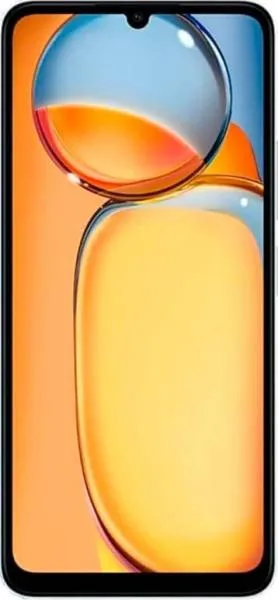
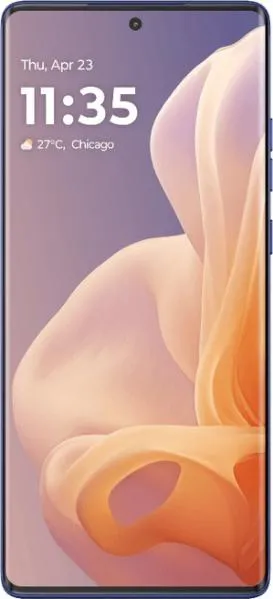
| Feature | Xiaomi Redmi 13C | Motorola Moto G85 | Practical Impact |
|---|---|---|---|
| Design | |||
| Dimensions | 168 x 78 x 8.1 mm | 161.9 x 73.1 x 7.6 mm | Moto G85 is slightly smaller and thinner, potentially improving one-handed use. |
| Weight | 192g | 171g | Moto G85 is noticeably lighter, reducing hand fatigue during extended use. |
| Fingerprint Sensor | Side-mounted | Under-display | Personal preference; under-display often perceived as more modern. |
| Display | |||
| Display Type | IPS LCD | P-OLED | P-OLED offers deeper blacks, more vibrant colors, and better power efficiency. |
| Size | 6.74" | 6.67" | Negligible size difference in real-world usage. |
| Resolution | 720 x 1600 (HD+) | 1080 x 2400 (FHD+) | Moto G85 has a significantly sharper display, resulting in clearer text and images. |
| Refresh Rate | 90Hz | 120Hz | Moto G85 provides smoother scrolling and animations, enhancing the user experience. |
| Peak Brightness | 600 nits (HBM) | 1600 nits | Moto G85 is far brighter, ensuring excellent outdoor visibility. |
| Performance | |||
| Chipset | Mediatek Helio G85 (12nm) | Snapdragon 6s Gen 3 (6nm) | Snapdragon 6s Gen 3 offers better performance and power efficiency due to its smaller node size and newer architecture. |
| CPU | Octa-core (2x2.0 GHz A75 & 6x1.8 GHz A55) | Octa-core (2x2.3 GHz A78 & 6x2.0 GHz A55) | Moto G85 has a more powerful CPU, leading to faster app loading and multitasking. |
| GPU | Mali-G52 MC2 | Adreno 619 | Adreno 619 generally provides better gaming performance than the Mali-G52 MC2. |
| RAM/Storage | 6/128GB, 8/256GB | 12/256GB | Moto G85 offers more RAM, improving multitasking and overall system responsiveness. |
| Battery | |||
| Capacity | 5000 mAh | 5000 mAh | Similar battery capacity; real-world battery life will depend on usage and software optimization. |
| Camera | |||
| Video Capabilities | 1080p@30fps | 1080p@30/60fps | Moto G85 offers more video recording options including 60fps for smoother footage. |
| Other Specs | Limited information available | Limited information available | Insufficient data to compare other camera features. |
| Software | |||
| OS | Android 13 | Android 14 | Moto G85 ships with a newer Android version, potentially offering newer features and longer software support. |
2. Key Differences Analysis
Xiaomi Redmi 13C Advantages:
- Lower Price: Expected to be significantly cheaper.
Motorola Moto G85 Advantages:
- Superior Display: Higher resolution, refresh rate, brightness, and OLED technology result in a dramatically better visual experience.
- Improved Performance: More powerful chipset, CPU, GPU, and more RAM ensure smoother operation and better gaming capabilities.
- More Modern Design: Slightly thinner and lighter with an under-display fingerprint sensor.
- Newer Software: Ships with Android 14, offering potential software and security updates for a longer period.
3. User Profiles & Recommendations
Xiaomi Redmi 13C: Budget-conscious users who prioritize basic functionality over premium features. Suitable for:
- Calling, texting, and web browsing
- Casual social media use
- Light gaming
Motorola Moto G85: Users who value a smooth and responsive experience with a great display. Suitable for:
- Mobile gaming
- Media consumption (videos, photos)
- Multitasking
- Users who prioritize a more premium feel
4. Decision Framework
Key Questions:
- What is your budget? The Redmi 13C is likely a much cheaper option.
- How important is display quality? The Moto G85's OLED display is a significant upgrade.
- What is your primary usage? For demanding tasks, the Moto G85 is better equipped.
My Choice: Motorola Moto G85
While the Xiaomi Redmi 13C offers an attractive price, the Moto G85 provides a significantly better overall user experience. The superior display, improved performance, and more modern design are worth the price difference for me. The jump to a higher resolution, faster refresh rate, and OLED technology creates a noticeable difference in daily use. While I lack specific camera details, the other advancements in the Moto G85 make it the clear winner for my needs. The 6nm processor technology in the Moto G85 also signifies better battery efficiency compared to the 12nm in the Redmi 13C. This combined with the OLED screen's efficiency would likely result in noticeably longer battery life despite both having the same battery capacity.
