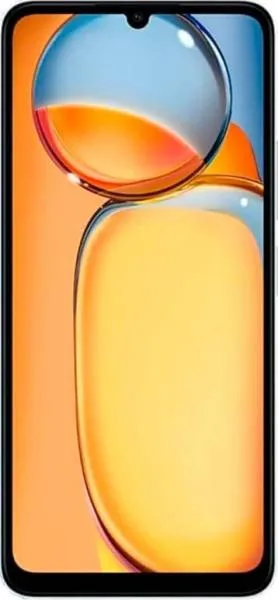
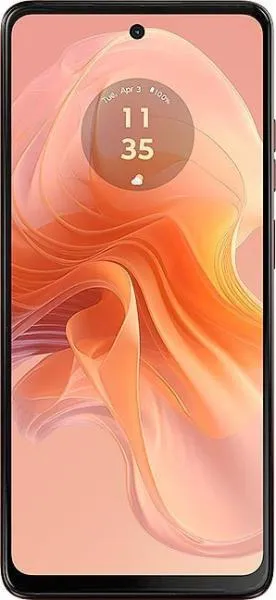
1. Specifications Comparison
| Feature | Xiaomi Redmi 13C | Motorola Moto G04s | Practical Impact |
|---|---|---|---|
| Design | |||
| Dimensions (mm) | 168 x 78 x 8.1 | 163.5 x 74.5 x 8 | Moto G04s is slightly smaller and may feel more comfortable in hand. |
| Weight (g) | 192 | 178.8 | Moto G04s is noticeably lighter, reducing hand fatigue during extended use. |
| Build Materials | Not specified | Not specified | Cannot compare build quality and durability without more information. |
| Display | |||
| Size (inches) | 6.74 | 6.56 | Redmi 13C offers a larger screen for more immersive media consumption. |
| Type | IPS LCD | IPS LCD | Both use the same display technology, expect similar color accuracy and viewing angles. |
| Resolution | 720 x 1600 | 720 x 1612 | Negligible difference in sharpness; both are relatively low resolution for their size. |
| Refresh Rate (Hz) | 90 | 90 | Both offer smooth scrolling and animations. |
| Peak Brightness (nits) | 450 (typ), 600 (HBM) | Not specified | Redmi 13C's known peak brightness ensures better outdoor visibility. |
| Performance | |||
| Chipset | Mediatek Helio G85 | Unisoc T606 | Helio G85 generally performs better in benchmarks, potentially leading to smoother multitasking and gaming. |
| CPU | Octa-core (2x2.0 GHz Cortex-A75 & 6x1.8 GHz Cortex-A55) | Octa-core (2x1.6 GHz Cortex-A75 & 6x1.6 GHz Cortex-A55) | Redmi 13C has faster CPU cores, resulting in quicker app loading and responsiveness. |
| GPU | Mali-G52 MC2 | Mali-G57 MP1 | While G57 is a newer generation, MC2 configuration in the Redmi likely provides better gaming performance. Direct comparison is difficult without benchmarks. |
| RAM/Storage | 6GB/128GB, 8GB/256GB | 4GB/128GB | Redmi 13C offers more RAM options, benefiting multitasking and overall system performance. More storage options also available. |
| Battery | |||
| Capacity (mAh) | 5000 | 5000 | Both offer similar battery life, but real-world usage varies. |
| Charging Speed | Not specified | Not specified | Cannot compare charging speeds without more data. |
| Other | |||
| OS | Android 13 | Android 14 | Moto G04s ships with a newer Android version, offering potential software features and security updates for longer. |
| NFC | Yes | Yes | Both support contactless payments. |
| USB | USB Type-C 2.0 | USB Type-C 2.0 | Both use a modern connector for charging and data transfer. |
| Sensors | Accelerometer, Compass, Fingerprint (side) | Accelerometer, Proximity, Fingerprint (side) | Redmi has a compass; Moto G04s has a proximity sensor. Minor difference in functionality. |
| Video Capabilities | 1080p@30fps | 1080p@30fps | Both can record video at the same resolution and frame rate. |
2. Key Differences Analysis
Redmi 13C Advantages:
- Performance: Generally faster CPU and likely better GPU for smoother operation and gaming.
- More RAM and Storage Options: Provides flexibility for users needing more memory and storage.
- Brighter Display: Better outdoor visibility.
- Slightly Larger Display: More immersive for media consumption.
Moto G04s Advantages:
- Lighter and More Compact: Easier to handle and carry.
- Newer Android Version: Potentially longer software support and newer features.
Trade-offs:
- Redmi 13C: Larger size and weight might not be ideal for everyone.
- Moto G04s: Less powerful processor may lead to performance limitations for demanding tasks. Unknown peak brightness.
3. User Profiles & Recommendations
Redmi 13C: Suitable for budget-conscious users who prioritize performance for gaming, multitasking, and media consumption.
Moto G04s: Best for users who value a lightweight and compact phone with the latest Android version, and whose usage consists mostly of everyday tasks like browsing, social media, and light gaming.
4. Decision Framework
Key Questions:
- What is your budget? The Moto G04 is listed as "medium price" while the Redmi 13C is "low price."
- What is your primary usage? Gaming and multitasking benefit from the Redmi's performance; basic tasks are handled well by both.
- Do you prioritize size and comfort? The Moto G04s is smaller and lighter.
Scenario-Based Recommendations:
- Limited Budget, Heavy User: Redmi 13C
- Moderate Budget, Casual User: Moto G04s
- Gamer on a Budget: Redmi 13C
My Choice: Xiaomi Redmi 13C
While the Moto G04s offers a newer Android version and a more comfortable form factor, the Redmi 13C's superior performance, brighter display, and larger screen are more compelling for my needs. I prioritize a smooth user experience for multitasking and occasional gaming, and the Redmi 13C's more powerful processor and larger RAM options are significant advantages in this regard. The brighter display is also crucial for outdoor usability. While the Moto G04s's lighter weight is appealing, the performance difference would likely impact my daily usage more significantly. The price difference, assuming it is substantial given the "low" vs "medium" price range designation, further solidifies the Redmi 13C as the better value proposition for me.
