1. Specifications Comparison
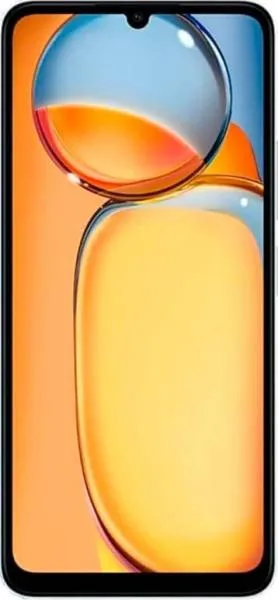
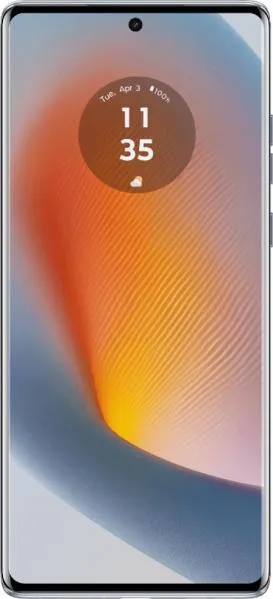
| Feature | Xiaomi Redmi 13C | Motorola Edge 50 Fusion | Practical Impact |
|---|---|---|---|
| Design | |||
| Dimensions | 168x78x8.1mm | 161.9x73.1x7.9mm | Motorola is slightly smaller and thinner, making it potentially more pocketable and comfortable to hold. |
| Weight | 192 g | 174.9 g | Motorola is noticeably lighter, reducing hand fatigue during extended use. |
| Build Material | - | - | Material specifications are missing, hindering a comparison of durability and premium feel. |
| Display | |||
| Display Type | IPS LCD, 90Hz | P-OLED, 120/144Hz | Motorola offers superior contrast, deeper blacks, and potentially smoother scrolling with its higher refresh rate OLED display. |
| Resolution | 720x1600 | 1080x2400 | Motorola has a significantly sharper display, resulting in clearer text and images. |
| Peak Brightness | 600 nits (HBM) | 1600 nits | Motorola's display will be much more visible in direct sunlight. |
| Performance | |||
| Chipset | Helio G85 (12nm) | Snapdragon 7s Gen 2 (4nm) | Motorola's more modern and powerful chipset will provide significantly better performance in demanding tasks and gaming. |
| CPU | Octa-core (2x2.0 GHz Cortex-A75 & 6x1.8 GHz Cortex-A55) | Octa-core (4x2.40 GHz Cortex-A78 & 4x1.95 GHz Cortex-A55) | Motorola's CPU offers faster clock speeds and more powerful cores leading to a smoother user experience. |
| GPU | Mali-G52 MC2 | Adreno 710 | Motorola's GPU is considerably more powerful, enabling smoother gaming and faster graphics rendering. |
| RAM/Storage | 128/6GB, 256/8GB | 256/8GB | Comparable RAM in the higher storage option, but Motorola lacks lower storage alternatives. |
| Camera | |||
| Video Capabilities | 1080p@30fps | 4K@30fps, 1080p@120fps | Motorola offers significantly better video recording capabilities with higher resolution and frame rate options including slow-motion. |
| Other Camera Specs | - | - | Detailed camera specifications (sensor size, aperture, features) are missing, limiting a comprehensive comparison. |
| Battery | |||
| Capacity | 5000 mAh | 5000 mAh | Comparable battery capacities suggest similar potential battery life, though real-world usage may vary due to other factors. |
| Other | |||
| OS | Android 13 | Android 14 | Motorola comes with a newer Android version, offering potential feature and security advantages. |
| NFC | Yes | Yes | Both phones support contactless payments and data transfer. |
2. Key Differences Analysis
Motorola Edge 50 Fusion Advantages:
- Significantly better performance: The Snapdragon 7s Gen 2 chipset and Adreno 710 GPU provide a much smoother and more responsive experience, especially for gaming and demanding applications.
- Superior display: The P-OLED display with a higher resolution, refresh rate, and peak brightness delivers vibrant colors, deeper blacks, and excellent outdoor visibility.
- Enhanced video recording: 4K recording and higher frame rate options provide greater flexibility and quality for video content creation.
- More modern OS: Android 14 offers the latest features and security updates.
Xiaomi Redmi 13C Advantages:
- Potentially lower price: Belonging to a lower price range, it offers a more budget-friendly option.
- Storage options: Offers a lower storage/RAM variant for users with basic needs.
Trade-offs:
- Xiaomi Redmi 13C: Sacrifices performance, display quality, and camera features for affordability.
- Motorola Edge 50 Fusion: Higher price point for premium features.
3. User Profiles & Recommendations
Xiaomi Redmi 13C: Ideal for budget-conscious users who prioritize basic smartphone functionality for calling, texting, web browsing, and light social media use.
Motorola Edge 50 Fusion: Suitable for users who demand a more fluid and responsive experience for gaming, multitasking, media consumption, and content creation. Its superior display and camera capabilities make it a good choice for multimedia enthusiasts.
4. Decision Framework
Key Questions for Buyers:
- What is your budget? The Redmi 13C is a budget option, while the Edge 50 Fusion is a mid-range device.
- What are your primary smartphone usage patterns? For basic use, the Redmi 13C may suffice. For demanding tasks and multimedia consumption, the Edge 50 Fusion is a better choice.
- How important is display quality and performance to you? The Edge 50 Fusion offers a significant upgrade in these areas.
Scenario-Based Recommendations:
- Tight Budget, Basic Use: Redmi 13C
- Moderate Budget, Balanced Use: Edge 50 Fusion
- Gaming and Multimedia Enthusiast: Edge 50 Fusion
My Choice: Motorola Edge 50 Fusion
I would choose the Motorola Edge 50 Fusion. While more expensive, the significantly improved performance, superior display, and better camera capabilities are worth the investment for a more enjoyable and future-proof smartphone experience. The Snapdragon 7s Gen 2 provides a substantial performance leap over the Helio G85, ensuring smooth multitasking and gaming. The OLED display's vibrant colors, high refresh rate, and excellent brightness are crucial for an engaging visual experience. While the Redmi 13C offers a budget-friendly alternative, the compromises in performance and key features would likely lead to a frustrating user experience in the long run.
