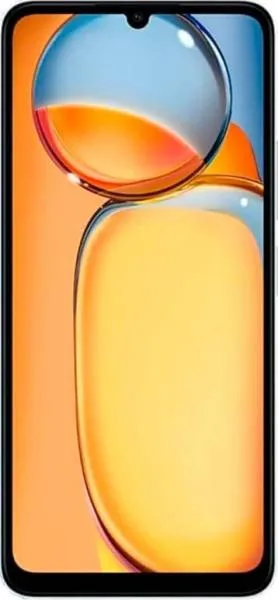
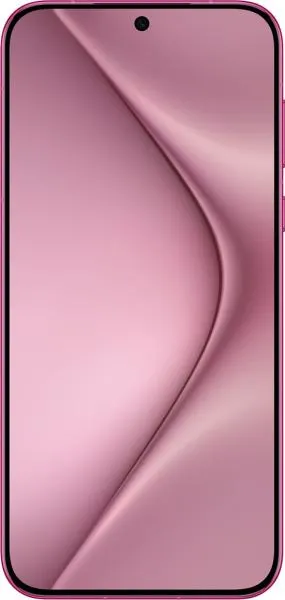
Xiaomi Redmi 13C vs. Huawei Pura 70: A Deep Dive
Let's dissect the Xiaomi Redmi 13C and the Huawei Pura 70, translating their spec sheets into real-world experiences. We'll uncover what each phone offers and who it's best suited for.
1. Specifications Breakdown
| Feature | Xiaomi Redmi 13C | Huawei Pura 70 | Real-World Implications |
|---|---|---|---|
| Design | |||
| Dimensions | 168x78x8.1mm | 157.6x74.3x8mm | Pura 70 is noticeably more compact, potentially easier for one-handed use. Redmi 13C is slightly thicker. |
| Weight | 192g | 207g | Redmi 13C is lighter, reducing hand fatigue during extended use. |
| Display | |||
| Size | 6.74" | 6.6" | Redmi 13C offers a slightly larger screen for media consumption. |
| Type | IPS LCD, 90Hz | LTPO OLED, 120Hz | Pura 70 boasts superior contrast, deeper blacks, and smoother scrolling due to OLED and higher refresh rate. |
| Resolution | 720x1600 | 1256x2760 | Pura 70's significantly sharper resolution provides much greater detail in images and text. |
| Peak Brightness | 600 nits | 2500 nits | Pura 70's exceptional brightness ensures excellent outdoor visibility. |
| Performance | |||
| Chipset | Helio G85 (12nm) | Kirin 9000S1 | Pura 70's Kirin chipset is expected to deliver significantly higher performance in demanding tasks and games. |
| CPU | Octa-core | Octa-core | While both are Octa-core, the Kirin 9000S1 is likely built on a more advanced architecture offering greater power efficiency and performance. |
| GPU | Mali-G52 MC2 | 8 | Pura 70's GPU architecture is unknown, but likely significantly stronger, promising smoother gaming. |
| RAM | 6/8GB | 12GB | Pura 70's larger RAM enables smoother multitasking and handling more demanding applications. |
| Storage | 128/256GB | 512GB | Pura 70 offers significantly more storage for apps, photos, and videos. |
| Other | |||
| Battery | 5000 mAh | 4900 mAh | Similar battery capacities, real-world battery life will depend on optimization and usage patterns. |
| OS | Android 13 | Unknown | A major unknown for the Pura 70. OS heavily influences user experience and app availability. |
| NFC | Yes | Yes | Both support contactless payments. |
| USB | USB Type-C 2.0 | USB Type-C 3.1 | Pura 70's USB 3.1 offers significantly faster data transfer speeds. |
2. Key Insights
- Display: The Pura 70's LTPO OLED display with a 120Hz refresh rate and significantly higher resolution is a clear winner. Expect vibrant colors, inky blacks, and buttery smooth scrolling. The Redmi 13C's LCD is functional but less impressive.
- Performance: The Kirin 9000S1 in the Pura 70 promises a substantial performance advantage over the Redmi 13C's Helio G85. This translates to smoother gaming, faster app loading, and better multitasking.
- Value: The Redmi 13C targets the budget-conscious, offering essential features at a lower price. The Pura 70, with its premium features, aims for a higher price bracket.
- Operating System: The unknown OS on the Pura 70 is a significant concern. Without knowing if it is a full version of Android or HarmonyOS with Google Mobile Services (GMS), it is impossible to evaluate its app ecosystem and usability fully.
3. User Profiles and Recommendations
- Redmi 13C: Ideal for budget-conscious users who prioritize basic functionality like calling, texting, web browsing, and casual social media. It's a practical choice for those seeking an affordable device without demanding high performance or a premium display.
- Pura 70: Suited for users who demand top-tier performance, a stunning display, and ample storage. Gamers, power users, and content creators would appreciate its capabilities. However, the unknown OS and lack of pricing information introduce a significant element of risk.
4. Buying Decision Framework
- What's your budget? The Redmi 13C is explicitly a budget phone, while the Pura 70 aims higher.
- What are your performance needs? For demanding tasks and gaming, the Pura 70 (assuming a competitive OS) is the clear choice.
- How important is display quality? If a vibrant, high-resolution screen is a priority, the Pura 70's OLED display is a significant upgrade.
My Choice:
If I had to choose today, and assuming the Pura 70 runs a full Android OS with Google Mobile Services, I'd lean towards the Huawei Pura 70, despite the lack of pricing. The significantly superior display, expected performance gains from the Kirin chipset, and larger storage are compelling. However, the unknown OS is a significant caveat. If the Pura 70 runs Harmony OS without GMS or has a significantly higher price tag, the Redmi 13C becomes a much more attractive option for its value proposition. A fully functional Android experience is crucial for me, and without confirmation on the Pura 70's OS, it remains a risky choice.
