1. Specifications Comparison
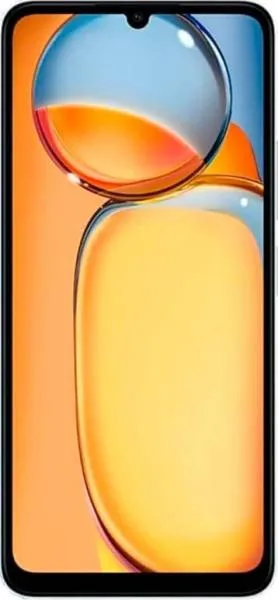
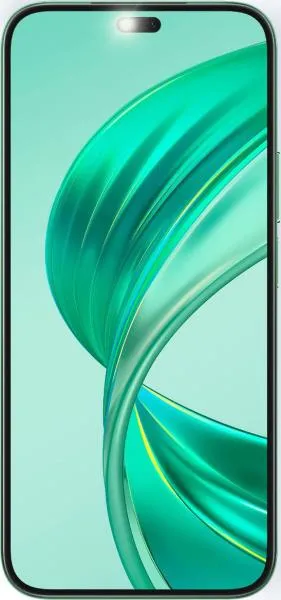
| Feature | Xiaomi Redmi 13C | Honor X8b | Practical Impact |
|---|---|---|---|
| Design | |||
| Dimensions | 168 x 78 x 8.1 mm | 161.1 x 74.6 x 6.8 mm | The Honor X8b is noticeably smaller and thinner, making it more pocketable and comfortable for one-handed use. |
| Weight | 192g | 166g | The Honor X8b is significantly lighter, reducing hand fatigue during extended use. |
| Build Materials | Not specified | Not specified | Cannot compare build quality and durability without this information. |
| Display | |||
| Display Type | IPS LCD | AMOLED | The Honor X8b's AMOLED display offers deeper blacks, richer colors, and better power efficiency compared to the Redmi 13C's LCD. |
| Size | 6.74" | 6.7" | Negligible difference in screen real estate. |
| Resolution | 720 x 1600 (HD+) | 1080 x 2412 (FHD+) | The Honor X8b has a much sharper display, resulting in clearer text and images. |
| Refresh Rate | 90Hz | 90Hz | Both phones offer smooth scrolling and animations. |
| Peak Brightness | 600 nits (HBM) | 2000 nits (peak) | The Honor X8b's display will be significantly more visible in direct sunlight. |
| Performance | |||
| Chipset | Mediatek Helio G85 (12nm) | Snapdragon 680 4G (6nm) | The Snapdragon 680 in the Honor X8b is generally more power-efficient due to its smaller fabrication process. Performance differences might be minor in everyday tasks, but the 680 could offer better sustained performance. |
| CPU | Octa-core (2x2.0 GHz Cortex-A75 & 6x1.8 GHz Cortex-A55) | Octa-core (4x2.4 GHz Kryo 265 Gold & 4x1.9 GHz Kryo 265 Silver) | While clock speeds differ, architectural differences make direct comparison difficult. Real-world performance testing is needed. |
| GPU | Mali-G52 MC2 | Adreno 610 | The Adreno 610 in the Honor X8b generally provides better gaming performance compared to the Mali-G52 MC2. |
| RAM/Storage | 6GB/128GB, 8GB/256GB | 6GB/256GB, 8GB/256GB | Both offer ample storage options, but the Redmi 13C offers a lower RAM option for budget-conscious users. |
| Battery | |||
| Capacity | 5000 mAh | 4500 mAh | While the Redmi 13C has a larger battery capacity, the Honor X8b's more efficient display and chipset could result in comparable battery life. Real-world usage will vary. |
| Other | |||
| NFC | Yes | No | The Redmi 13C supports contactless payments and data transfer via NFC, while the Honor X8b does not. |
| USB | USB Type-C 2.0 | USB Type-C 2.0, OTG | Both have modern USB-C ports. The Honor X8b supports OTG, allowing connection to peripherals like flash drives. |
| OS | Android 13 | Android 13 | Both run the latest Android version. Long-term software support is unclear for both devices. |
| Price Range | Low | Medium | Significant price difference, impacting overall value proposition. |
2. Key Differences Analysis
Redmi 13C Advantages:
- Lower Price: Offers a more budget-friendly option.
- Larger Battery: Potentially longer battery life, but real-world usage depends on various factors.
- NFC: Enables contactless payments and data transfer.
Honor X8b Advantages:
- Superior Display: AMOLED technology with much higher resolution and brightness. Significantly better viewing experience.
- More Compact Design: Easier to handle and carry.
- Generally Better Performance: More efficient chipset and potentially better GPU for gaming.
- OTG Support: Expandability via connecting peripherals.
3. User Profiles & Recommendations
Redmi 13C: Ideal for budget-conscious users prioritizing basic functionality, long battery life, and NFC for contactless payments. Suitable for:
- Casual users primarily using social media, browsing, and communication apps.
- Users in areas with limited sunlight who don't require high brightness displays.
Honor X8b: Best suited for users who value a superior display and a more compact, premium-feeling device. Good for:
- Users who consume a lot of media (videos, photos).
- Mobile gamers who need better graphical performance.
- Users who prioritize a sleek and pocketable design.
4. Decision Framework
Key Questions:
- What is your budget? The Redmi 13C is significantly cheaper.
- How important is display quality? The Honor X8b offers a vastly superior display experience.
- Do you need NFC for contactless payments? This is a key differentiator, as the Honor X8b lacks NFC.
Scenario-Based Recommendations:
- Tight budget and need NFC: Redmi 13C.
- Prioritize display quality and willing to pay more: Honor X8b.
- Heavy media consumption and gaming: Honor X8b.
My Choice: Honor X8b
While the Redmi 13C offers a compelling value proposition for its price, the Honor X8b's significantly better display, more compact design, and generally superior performance make it the better choice for me. I prioritize screen quality and a comfortable in-hand feel, and the Honor X8b delivers on both fronts. The lack of NFC is a minor inconvenience for me personally, as I utilize other payment methods more frequently. The price difference is justifiable considering the substantial upgrade in user experience offered by the Honor X8b. The improved efficiency and slightly better performance would also benefit my usage patterns, which include moderate gaming and media consumption.
