1. Specifications Comparison
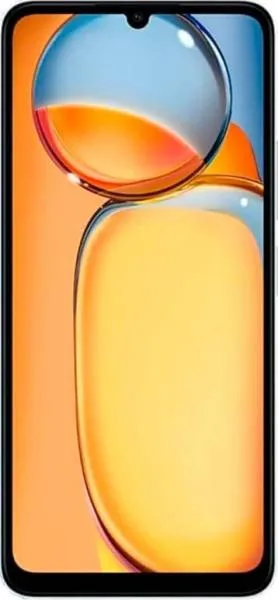
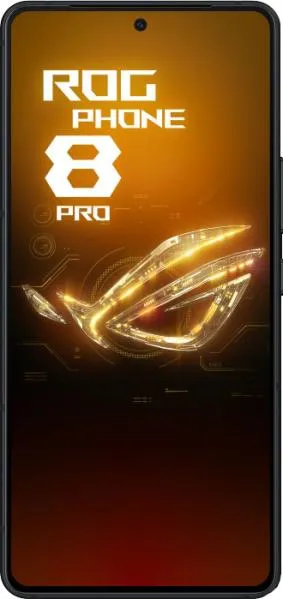
| Feature | Xiaomi Redmi 13C | Asus ROG Phone 8 Pro | Practical Impact |
|---|---|---|---|
| Design | |||
| Dimensions | 168x78x8.1mm | 163.8x76.8x8.9mm | ROG Phone 8 Pro is slightly shorter, narrower, but thicker. Negligible difference in hand feel. |
| Weight | 192g | 225g | Redmi 13C is significantly lighter, reducing hand fatigue during extended use. |
| Build | Not specified | Not specified | Build quality impact on durability and premium feel cannot be assessed. |
| Display | |||
| Display Type | IPS LCD | LTPO AMOLED | ROG Phone 8 Pro offers significantly better contrast, deeper blacks, and potentially lower power consumption due to AMOLED technology. |
| Size | 6.74" | 6.78" | Negligible difference in screen real estate. |
| Resolution | 720x1600 (HD+) | 1080x2400 (FHD+) | ROG Phone 8 Pro has a sharper display with more detail. Noticeable difference in clarity for text and images. |
| Refresh Rate | 90Hz | 165Hz | ROG Phone 8 Pro provides a much smoother and more responsive experience, especially in gaming and fast-paced UI interactions. |
| Peak Brightness | 600 nits (HBM) | 2500 nits (peak) | ROG Phone 8 Pro is vastly superior in bright outdoor conditions, ensuring screen visibility. |
| Performance | |||
| Chipset | Mediatek Helio G85 (12nm) | Qualcomm Snapdragon 8 Gen 3 (4nm) | ROG Phone 8 Pro boasts significantly superior processing power resulting in faster app loading, smoother multitasking, and better gaming performance. |
| CPU | Octa-core (2x2.0 GHz A75 & 6x1.8 GHz A55) | Octa-core (1x3.3 GHz X4 & 3x3.2 GHz A720 & 2x3.0 GHz A720 & 2x2.3 GHz A520) | ROG Phone 8 Pro's CPU architecture and clock speeds offer a massive performance advantage in demanding tasks. |
| GPU | Mali-G52 MC2 | Adreno 750 | ROG Phone 8 Pro offers drastically better graphics performance, enabling high-quality gaming and smooth graphics-intensive applications. |
| RAM/Storage | 6/128GB, 8/256GB | 24/1000GB | ROG Phone 8 Pro offers vastly more RAM and storage, allowing for seamless multitasking and ample space for apps and files. |
| Battery | |||
| Capacity | 5000 mAh | 5500 mAh | ROG Phone 8 Pro has a slightly larger battery, but real-world battery life depends on usage and optimization. |
| Charging | Not specified | Not specified | Charging speed comparison cannot be made without further information. |
2. Key Differences Analysis
Redmi 13C Advantages:
- Lighter and potentially more affordable: Easier to handle and likely budget-friendly.
ROG Phone 8 Pro Advantages:
- Significantly more powerful: Superior performance in all aspects, from gaming to everyday tasks.
- Much better display: Higher resolution, refresh rate, and brightness deliver a premium visual experience.
- More RAM and Storage: Enables seamless multitasking and ample space for apps and files.
Trade-offs:
- ROG Phone 8 Pro: Higher price, heavier weight.
- Redmi 13C: Lower performance, less impressive display.
3. User Profiles & Recommendations
- Redmi 13C: Budget-conscious users prioritizing basic communication, social media, and light web browsing. Suitable for users who don't play demanding games or require high performance.
- ROG Phone 8 Pro: Power users, mobile gamers, and content creators demanding top-tier performance, a stunning display, and ample storage.
4. Decision Framework
Key Questions:
- What is your budget?
- What are your primary smartphone use cases?
- How important is performance and display quality to you?
Scenario-based Recommendations:
- Tight Budget, Basic Usage: Redmi 13C
- Demanding Games, High Performance: ROG Phone 8 Pro
- Balanced Needs, Moderate Budget: Consider other options not listed in this comparison.
My Choice: Asus ROG Phone 8 Pro
While significantly more expensive, the ROG Phone 8 Pro is the superior device in almost every aspect. Its flagship-level performance, stunning display, and ample RAM/storage combination cater to my need for a future-proof device capable of handling demanding tasks and providing a premium user experience. The higher refresh rate and brighter display significantly enhance daily usage and media consumption. While the Redmi 13C is a viable option for budget-conscious users, the performance and display limitations would be a compromise I'm not willing to make. The weight difference, while noticeable, is not a significant deterrent for me.
