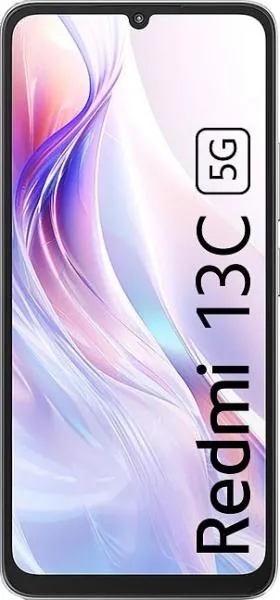
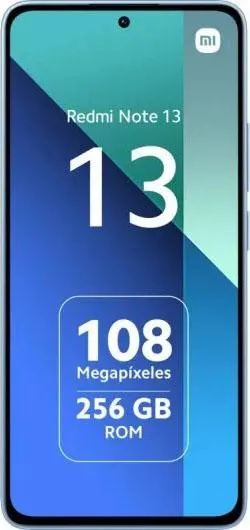
Xiaomi Redmi 13C 5G vs. Xiaomi Redmi Note 13 4G: A Deep Dive
Let's dissect the Xiaomi Redmi 13C 5G and Redmi Note 13 4G, two compelling mid-range contenders, to see which phone truly delivers. My goal is to equip you with the knowledge to decide which phone best fits your needs.
1. Specifications Breakdown
| Feature | Xiaomi Redmi 13C 5G | Xiaomi Redmi Note 13 4G | Real-World Implications |
|---|---|---|---|
| Design | |||
| Dimensions | 168x78x8.1mm | 162.3x75.6x8mm | Note 13 4G is slightly more compact. |
| Weight | 192g | 188.5g | Negligible weight difference in real-world usage. |
| Display | |||
| Type | IPS LCD, 90Hz | AMOLED, 120Hz | Note 13 4G boasts richer colors, deeper blacks, and smoother scrolling thanks to AMOLED and the higher refresh rate. |
| Size | 6.74" | 6.67" | Virtually identical screen real estate. |
| Resolution | 720x1600 | 1080x2400 | Note 13 4G offers significantly sharper visuals due to the higher resolution (395 PPI vs. 260 PPI). |
| Peak Brightness | 600 nits | 1800 nits | Note 13 4G will be far more visible in direct sunlight. |
| Performance | |||
| Chipset | Dimensity 6100+ | Snapdragon 685 | Both offer decent mid-range performance, but the Dimensity 6100+ generally edges out the Snapdragon 685 in benchmarks, particularly in GPU tasks. |
| CPU | Octa-core (2x2.2 GHz Cortex-A76 & 6x2.0 GHz Cortex-A55) | Octa-core (4x2.8 GHz Cortex-A73 & 4x1.9 GHz Cortex-A53) | Dimensity 6100+ utilizes a more modern CPU architecture, potentially translating to better efficiency. |
| RAM | 6GB | 8GB | Note 13 4G's extra RAM enables smoother multitasking and app switching. |
| Storage | 128GB | 128/256GB | Note 13 4G offers a 256GB option for users needing more storage. |
| Connectivity | |||
| 5G | Yes | No | 13C 5G offers future-proof connectivity, albeit dependent on network availability. |
| NFC | No | Yes | Note 13 4G supports contactless payments and data transfer. |
| Battery | |||
| Capacity | 5000 mAh | 5000 mAh | Identical battery capacity; real-world battery life will depend on usage and software optimization. |
2. Key Insights
- Display: The Redmi Note 13 4G's AMOLED display with a 120Hz refresh rate is a clear winner. The superior resolution, vibrant colors, and smooth scrolling provide a significantly better visual experience.
- Performance: While benchmark differences exist, both phones will handle everyday tasks adequately. The Note 13 4G benefits from more RAM, enabling smoother multitasking.
- Connectivity: The 13C 5G’s advantage lies in its 5G capability, crucial for future-proofing. However, the Note 13 4G counters with NFC for contactless payments.
3. User Profiles and Recommendations
- Redmi 13C 5G: Best for budget-conscious users prioritizing 5G connectivity and long-term network compatibility. Ideal for basic tasks like web browsing, social media, and casual gaming.
- Redmi Note 13 4G: Suited for users who value a superior display and smoother performance. A great choice for media consumption, mobile gaming, and those who use NFC for payments.
4. Buying Decision Framework
- Is 5G crucial in your area, or do you prioritize immediate benefits like a better display?
- What's your budget? The 13C 5G is likely to be more affordable.
- Do you heavily multitask or require a lot of storage? The Note 13 4G's extra RAM and storage options might be beneficial.
My Choice: Redmi Note 13 4G
While I appreciate the future-proofing of 5G, the Redmi Note 13 4G's superior display, extra RAM, and NFC functionality are more compelling for my daily usage. The significantly improved visual experience and smoother performance outweigh the benefits of 5G in my current context. I often consume media, multitask, and use contactless payments, making the Note 13 4G a more practical and enjoyable device for me. The sharper resolution alone makes a noticeable difference in daily use.
